

Guide To Choosing Anti-inflammatory Foods (LIST) PDF
If you’re living with chronic inflammation, gut issues, hormone imbalances, or autoimmune symptoms, it’s normal to ask: Is it really possible to support healing at a cellular level through what I eat? and how do I choose anti-inflammatory foods and recipes that actually help my gut and immune system?
From my own journey and my work as an integrative nutrition health coach, I’ve seen that food quality and how it’s grown can matter just as much as which foods you eat. Long-term dietary patterns influence inflammatory responses, the gut microbiome, and how resilient or sensitive your cells become over time.
In this guide:
- What really matters when choosing anti-inflammatory foods
- How to think about food quality, not just food groups
- A practical anti-inflammatory food list, organized by category
- A printable PDF list you can keep on your fridge or phone for easy reference
Use this as a starting point to build a way of eating that supports your gut, your immune system, and your long-term cellular health. If you’re new here, most of my gluten and dairy-free recipes are already built on this anti-inflammatory, real-food philosophy.
This article is for educational purposes only and does not replace medical advice. Always work with your own qualified healthcare provider before making major changes to your diet or lifestyle. I’m not a doctor and I don’t diagnose or treat disease. My role is to help you translate your health goals into everyday meals and habits that feel realistic, nourishing, and sustainable.
Who This Anti-Inflammatory Foods Guide Is For
This guide is for you if food leaves you inflamed, foggy, or exhausted, and you’re confused about what’s actually “healthy,” where the line is, and what the non-negotiables are in an anti-inflammatory way of eating. It’s especially helpful if you’re already working with a functional or integrative practitioner and want real-food ideas you can adapt to your own body.
What Matters Most When Choosing Anti-Inflammatory Foods
When people decide to “eat healthier,” they often focus on:
- Switching diet camps (vegan – keto – paleo – carnivore, etc.)
- Cutting entire food groups overnight
- Counting calories and macros
What’s often overlooked is:
- Where the food comes from (soil, farming practices, processing)
- How heavily it’s been altered (additives, pesticides, refined oils, flavorings)
- How you actually tolerate it (bio-individuality, sensitivities, triggers)
There is always a link between the intestinal ecosystem and many chronic conditions, including autoimmune disorders. Our long-term food choices can either calm or aggravate inflammation in the gut and its microbial environment.
The key isn’t chasing the “perfect” diet label. It’s building an eating pattern centered on high-quality, minimally processed, real foods – and then observing which ones your body does best with. One person’s “medicine” can truly be another person’s “poison.”
When your goal is gut healing and lowering inflammation, the primary focus should be quality real foods, not ultra-processed substitutes (like switching to dairy free processed cheeses just because you miss cheese). The same goes for trading regular bread for gluten-free white bread made mostly from refined starches, ice cream for “dairy-free” tubs loaded with sugar, gums, and flavorings, meat for highly processed plant-based burgers and “chicken” nuggets, yogurt for low-fat or high-protein cups full of sweeteners and thickeners, or soda for “zero sugar” drinks with artificial sweeteners.
Even foods that are technically healthy can still come with:
- Herbicide and pesticide residues
- Heavy metals (like arsenic in some grains)
- Nitrates, nitrites, sulfites
- Artificial colors, flavors, and preservatives
- GMO ingredients and processing aids
All of these can add up to extra stress on your body and may interfere with your healing process.
What Is “Quality Food”?
When I say “quality food,” I’m looking at several things:
- Nutrient density – vitamins, minerals, healthy fats, fiber, phytonutrients
- Level of contamination – microbes, pesticides, heavy metals, additives
- Degree of processing – how far it is from its original form
- Impact on your body – symptoms, digestion, energy, and lab markers over time
In simple terms:
Quality food = nutritionally dense, minimally processed, grown or raised in an environment that minimizes toxic inputs (pesticides, herbicides, hormones, antibiotics, and genetically engineered practices).
Many people with chronic inflammation are reacting more to “what’s been done” to the food than to the food itself. Once you switch to clean, organic, less processed sources, it becomes much easier to identify which foods are truly inflammatory for you.
Using food this way – as basic “material” for rebuilding cells and tissues – is one of the most foundational steps if you want to support your body naturally.
The same scrutiny I apply to food labels also applies to supplements. In this article on how to choose clean, high-quality supplements, I break down what to look for and what to avoid.
How to Spot Misleading “Anti-Inflammatory” Food Claims
Most of us like to think we’re eating healthier than we actually are. That’s not a character flaw; it’s what happens when:
- Nutrition advice is confusing and contradictory
- Different professionals (dietitians, researchers, doctors, influencers) say different things
- Food companies use clever marketing to make ultra-processed products sound “clean” or “natural”
Food and beverage companies invest heavily in:
- Advertising
- Eye-catching packaging
- Sponsored research and “health claims” that favor their products
Ultra-processed foods are often engineered to:
- Be intensely palatable (extra sweet, salty, fatty, highly flavored)
- Eat more than you need
- Crave them again
- Spend more money – not to lower your inflammation.
If your goal is to reduce inflammation and support healing, it’s wise to:
- Limit advertised boxed foods as much as possible
- Be skeptical of claims like “natural,” “immune-supporting,” “made with whole grains” when the ingredient list is long and full of additives
- Read ingredient lists carefully (shorter is usually better)
- Remember: you rarely see apples, carrots, or broccoli advertised – only their processed versions
Higher-quality food often costs more because it’s:
- Grown or raised more slowly
- Produced in smaller quantities
- Handled with more care
The trade-off: You’re more likely to feel satisfied with less, and you’re giving your cells actual building blocks, not just empty calories.
Choose quality over quantity. Choose food experience and nourishment over calorie math alone.
Why Cellular Nutrition Matters for Healing
As nutrition can influence immune cell functions, it’s really important to have a high nutrition diet with quality foods – from real food sources, additionally – pay attention on how we eat (amount /frequency).
Health begins at cellular level. Our lifestyle behaviors, eating patterns and diet quality can induce cellular changes and determine the cellular aging.
Your daily food choices influence:
- Inflammatory signals in the body
- The composition and diversity of your gut microbiome
- Immune function and resilience
- Energy production, repair, and how quickly cells age
A nutrient-dense, minimally processed, anti-inflammatory way of eating can help:
- Support your body’s natural detoxification pathways
- Provide steadier energy instead of constant crashes
- Nourish the gut lining and microbiome
- Complement the plan you’ve created with your functional or integrative practitioner
This kind of eating pattern can be especially helpful if you’re trying to:
- Reduce chronic inflammation
- Support hormone balance
- Calm digestive symptoms
- Work toward a healthier weight over time
Remember the chain:
Cells → tissues → organs → systems → overall health.
If cells aren’t getting enough nutrients, or if they’re constantly dealing with oxidative stress, blood sugar spikes, and additives, they may not repair or function efficiently. Over years, this can add up as systemic inflammation and, in some cases, disease.
Synthetic food additives (colorants, preservatives, sweeteners, agricultural chemicals) can have negative effects on cell function, induce dysbiosis in gut microbiota and cause DNA mutations. The long-term consumption of these inflammatory foods, which typically have poor nutrient diversity and excessive energy content, lead to deficiencies in key nutrients that likely trigger the loss of cellular nutrient/energy homeostasis.
Your body needs:
- Amino acids from quality protein
- Healthy fats (omega-3s, monounsaturated fats)
- A wide range of vitamins, minerals, and plant compounds
At the same time, a steady diet of ultra-processed foods and synthetic additives can work against your healing goals when consumed in excess.
Related: Hidden Body & Mind Signals Your Detox Pathways Are Struggling
Think of food as: Fertilizer for your internal garden.
It nourishes your “roots” (cells) so that the “plants” (organs and systems) can function well.
Anti-Inflammatory Food List (With Printable PDF)
There is no single diet that works for everyone. Your best anti-inflammatory way of eating depends on:
- Your symptoms and diagnoses
- Your gut health and sensitivities
- Your lifestyle and stress levels
- Your goals and preferences
Instead of chasing the next diet trend, focus on building meals from high-quality, minimally processed, anti-inflammatory foods, and observe how you feel. As a next step, you can use my healthy/balanced plate template – a simple guide for building a balanced, anti-inflammatory plate at every meal.
Tap the image to download the printable PDF list for easy reference

Now let’s look at the main food categories in more detail.
1. Liquids: Hydration & Gentle Support

Drink liquids that will truly benefit you, not only for pleasure, like:
- Pure filtered water (30–35 ml per kg body-weight – or ½–1 oz per pound) for hydration and a smooth elimination of toxins.
- Infused water (filtered water infused with herbs, fruit and vegetables, like this cucumber lemon ginger water recipe, or just ginger water);
- Fermented liquids (water kefir, kombucha, etc.) will replenish your gut flora.
- Herbal teas with medicinal and therapeutic properties (buy organic, choose a non-GMO certified brand of tea, make sure there are no added flavors. Many non-organic tea brands have been found to contain pesticides that are known carcinogens).
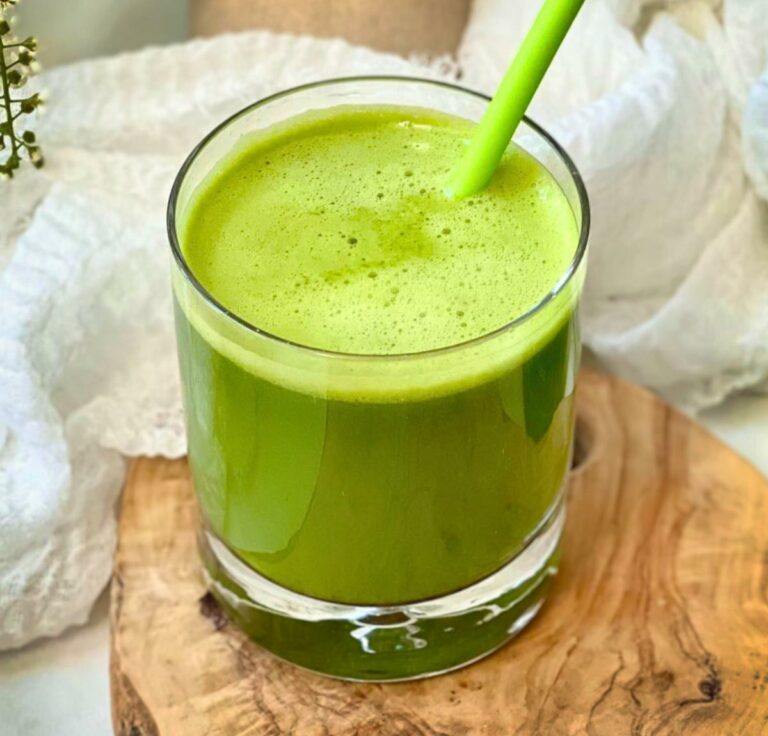
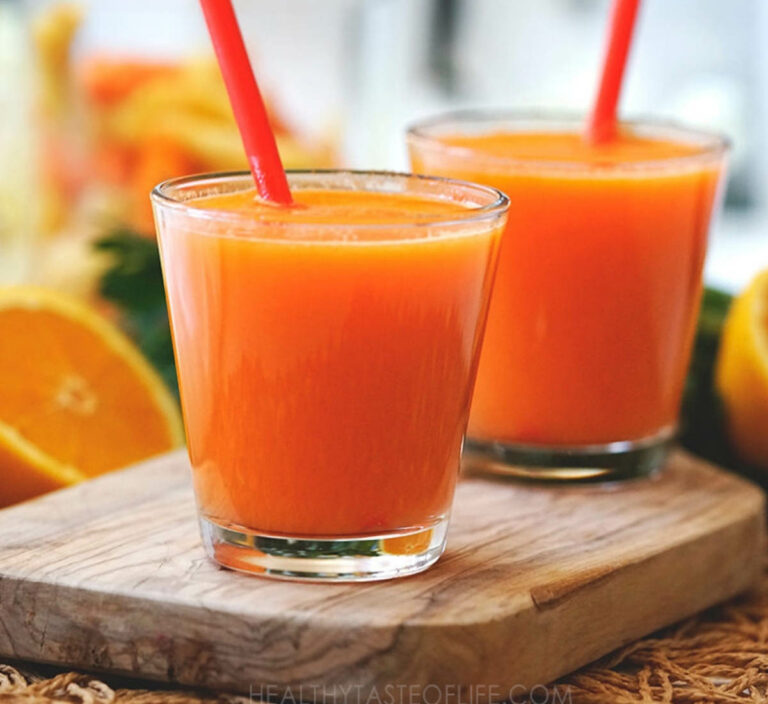
- Fresh cold press juices :
- Anti-inflammatory Juice Recipe for Whole Body Health
- Antioxidant “Cancer Juice”: Pomegranate Cabbage Blueberry
- Anti-inflammatory green smoothies (made with 1 part low-sugar fruits, 1 part green veggies, 1 part liquid or non-dairy milk).
For a more concentrated immune-supporting tonic, you can try my ginger garlic lemon honey mixture.
Reduce or avoid
Beyond caffeine and standard sodas, there are a few other drinks that are worth limiting when you’re trying to lower inflammation:
- “Vitamin” waters and sports drinks – often loaded with sugar, colorants, and synthetic additives.
- Stimulants and excess caffeinated beverages – if you struggle with sleep, anxiety, or adrenal stress (like sugary drinks, sodas, energy drinks). This category also includes sweetened coffee drinks (lattes, frappes, flavored creamers) – often a mix of sugar, syrups, and industrial seed oils.
- Typical tea bags made with plastics (nylon, polypropylene, corn based PLA plastic or a mixture of plastic and paper fibers) + glues. Most of them are not made from paper as we may believe. Choose loose-leaf where possible.
- Store-bought fruit punches and “fruit drinks” – usually fruit-flavored sugar water, not actual juice.
- Conventional sweet iced tea – typically high in sugar and sometimes artificial flavors.
- Diet sodas and “zero sugar” drinks – may contain artificial sweeteners and additives that don’t support gut health.
- Powdered drink mixes (instant lemonade, flavored waters, etc.) – usually dyes, flavorings, and sweeteners.
- Heavily flavored bottled coffees and teas – often include gums, stabilizers, and sweeteners.
- Alcoholic mixed drinks and cocktails – combine alcohol with sugar, syrups, and additives; especially hard on liver and gut when used often.
2. VEGETABLES
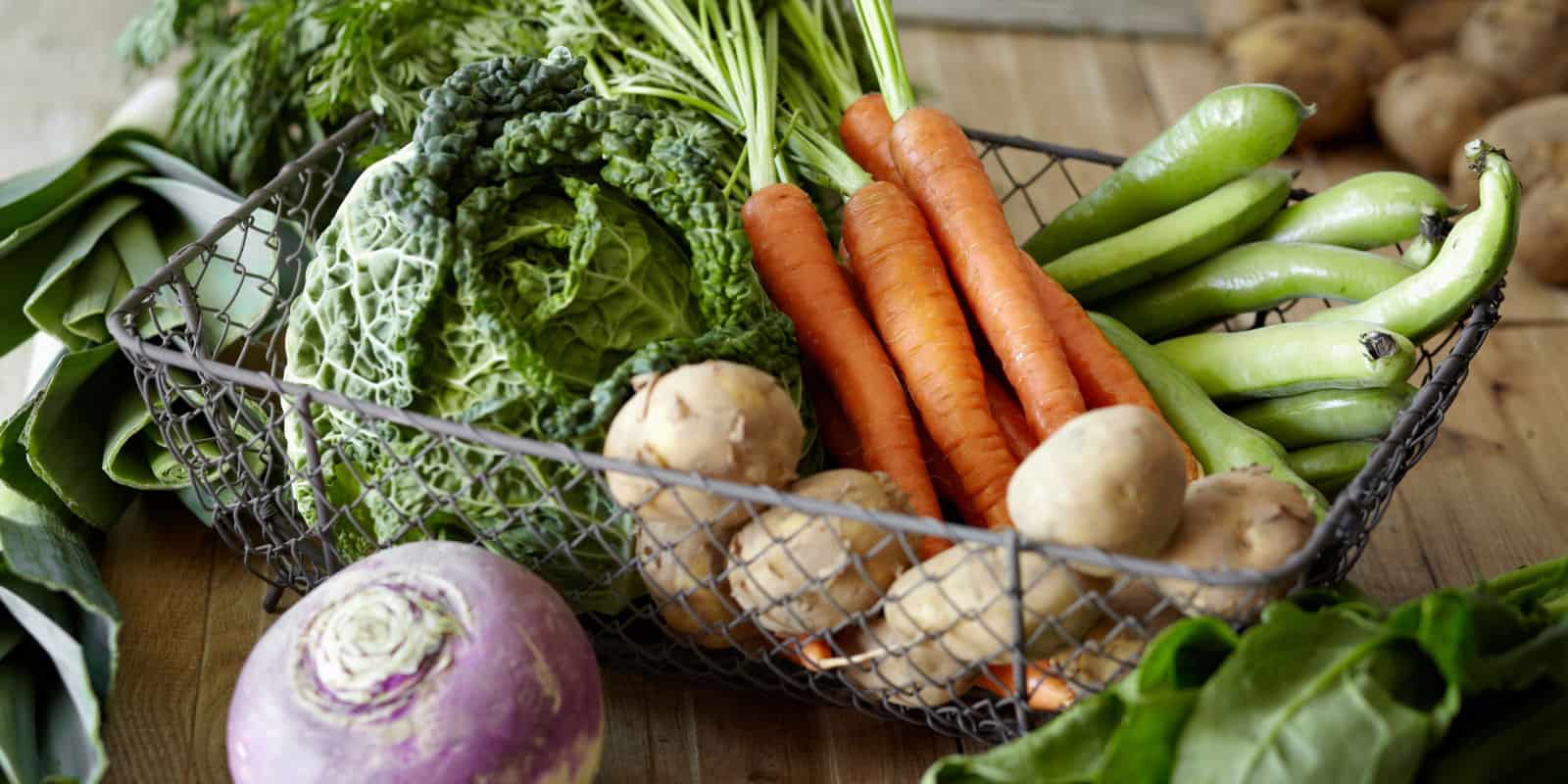
Vegetables are the core of an anti-inflammatory diet.
General guidelines:
- Aim for ~50% of your plate to be vegetables at most meals. Vegetables may be raw or cooked, fresh, frozen, canned, or dried/dehydrated. Store bought pre-cooked vegetables may not be a good idea. Besides having additives these have fewer nutrients.
- If you are having issues with digesting raw vegetables, try cooking them: roasting, simmering, sautéing or lightly steaming. Fermenting will also make them more digestible: fermented peppers + tomatoes, fermented zucchini + cucumbers, plain tomatoes and cucumbers.
- Rotate colors and types to cover more nutrients and fibers.
- Some people with autoimmune disorders may find that nightshades (tomatoes, eggplant, potatoes, and peppers) make their symptoms worse. If you’re not sure you’re sensitive to them, remove all from your diet for at least 30 days. After that reintroduce them one at a time and see the difference.
- If you get bloated when eating legumes – soak or sprout the beans, lentils and peas. This will increase their nutritional value and become easier to digest. Check out the sprout book for details.
Key groups:
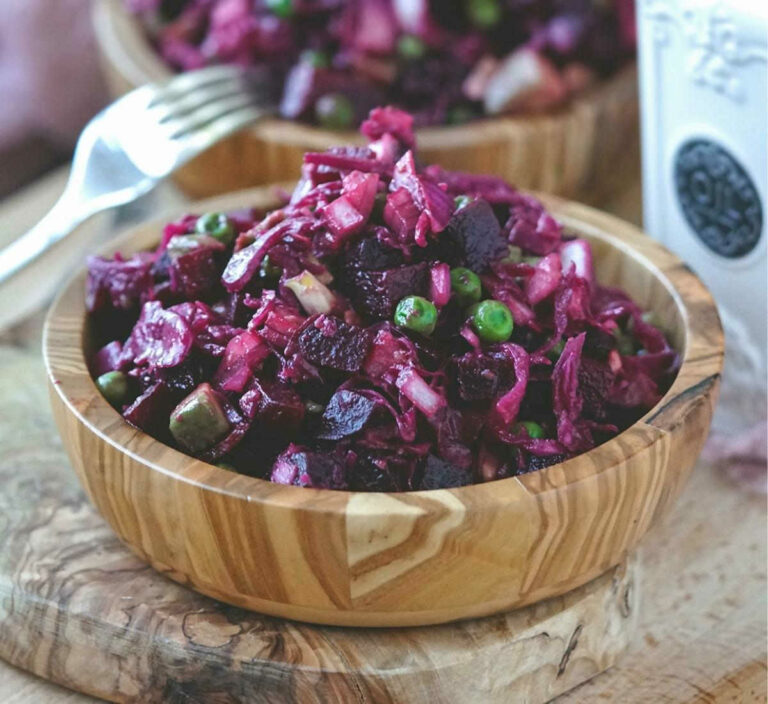
- Root vegetables: yams, beets, carrots, parsnips, turnips, radishes, onions, garlic, celery root. Because root vegetables grow underground, they absorb a great amount of nutrients from the soil. Buying organically grown vegetables is important if you want a lower pesticide, herbicide and fungicides residue. Also fermenting root veggies is another way of preserving and enriching their nutrients. See this fermented shaved carrot salad.
- Winter squashes: butternut, acorn, delicata, spaghetti squash, kabocha. One of the top food sources of beta-carotene, a phytochemical the body changes to vitamin A.
- Leafy greens: kale, chard, collards, spinach, lettuces, watercress, arugula, dandelion greens, herbs, sprouts, microgreens. Greens have antioxidants and anti-inflammatory properties, increasing oxygen utilization by the body. Their high fiber content provide support for gut microbes to digest and create byproduct that effect various gut activities like PH balance, gut permeability, immune balance, bowel movements and so on.
- Cabbage family: green, red, napa, savoy, Brussels sprouts, bok choy (fresh or fermented as sauerkraut/kimchi/ fermented beetroot sauerkraut/ cauliflower). The enzymes produced in fermentation break down or pre-digests the fiber and make vitamins and minerals easier to absorb and additionally provide a large variety of probiotics. Some people may have trouble digesting cruciferous vegetables and may have digestive discomfort. Eating small portions and cooking the cabbage well, like in a soup may help.
- Cruciferous flowers: broccoli, cauliflower, Romanesco. Some people may experience excess flatulence when eating these vegetables. For this reason, it’s best to incorporate them in your diet slowly, chew thoroughly and consume them cooked until your gut adapts.
- Stalks: celery, fennel, asparagus, rhubarb. Consume raw, roast, grill or stir-fry them. These quick-cooking, water-less methods will preserve the nutritional content and antioxidant power.
- Mushrooms: all edible varieties, cooked well. Mushrooms’ meaty texture and savory flavor make them a great ingredient for a satisfying meatless meal.
- Legumes (if tolerated): lentils, chickpeas, beans (soaked and cooked well or sprouted). These foods are excellent sources of plant protein, and also provide other nutrients such as iron and zinc.
- Nightshades (if tolerated): tomatoes, peppers, eggplant, potatoes.
Keep reading: Meal Prepping Vegetables: How to Keep Veggies Fresh Longer
3. FRUITS
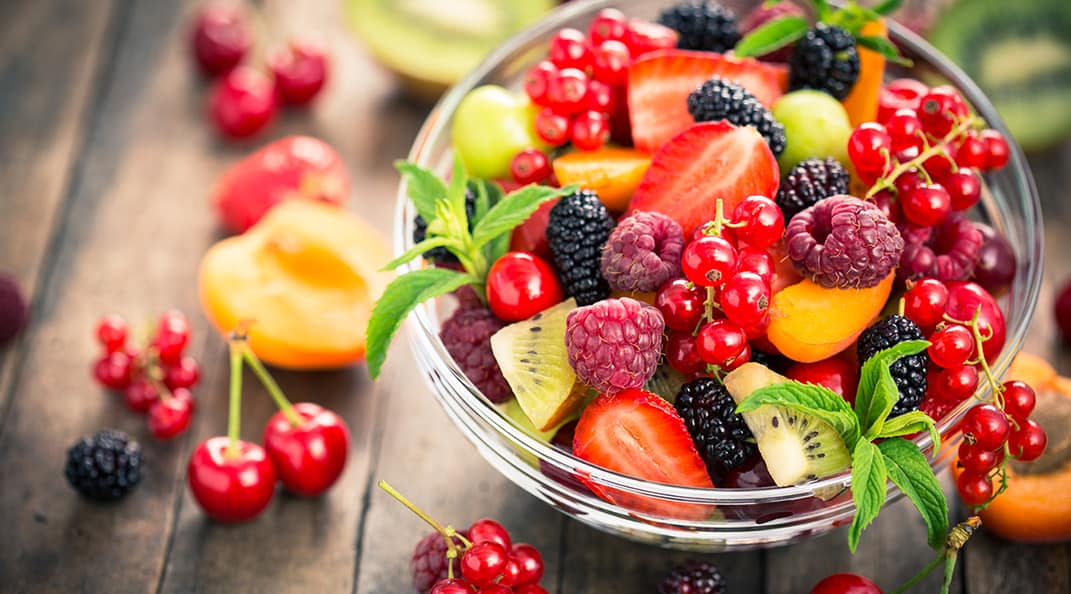
Fruit are delicious foods that heal while providing satisfaction. They can be consumed in many different forms; whether it’s as juice or cut up pieces, raw fruits make great snacks on their own but also delicious toppings.
- Aim for ~ 15% of your diet, eaten in it’s whole natural form.
- Consume sweet fruits in moderation (1 fruit/cup per day) when dealing with fungal overgrowth.
- Smoothies are OK a long as you know what fruits are tolerated well by your body and which aren’t. Try anti-inflammatory smoothies with low-glycemic fruits and greens, or recipes like these:
- No store bought fruit juices (they are loaded with sugar and stripped of their nutrients and fiber during processing).
- Limit or avoid store-bought dried fruits (they are preserved with sulfur dioxide and added sugar – problematic for people who suffer from allergies or sensitivities). Dry your own fruits or look for sugar free, unsulfured versions.
4. GRAINS
Grains can be supportive or irritating, depending on the person and the form.
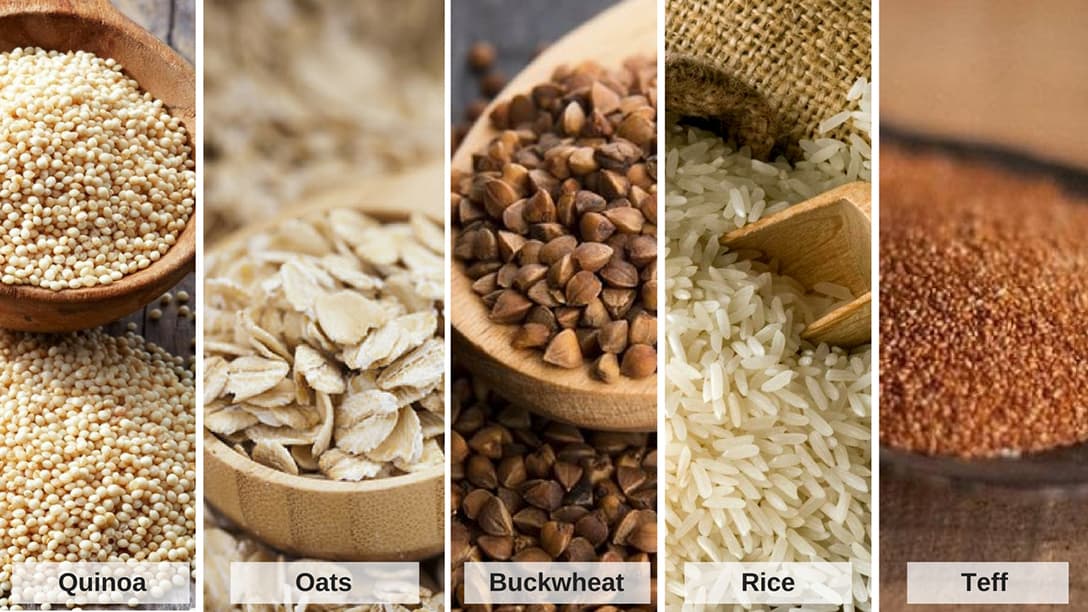
Opinions about grains in general are divided into two camps: vegans/vegetarians – eat a ton of grains and say they are healthy and have their place in an anti-inflammatory food list, and the opposing camp: Paleo, Whole30, and Atkins who completely avoid grains because they consider that they contribute to low-level inflammation and intestinal damage due to anti-nutrients.
Grain has been at the heart of humankind’s diet for thousands of years, but in the last few generations, wheat is making people sick. Coincidence or not this started with the extensive use of hybridized (or genetically modified) seeds, synthetic fertilizers and pesticides. And the final products are higher in gluten (than in the time of our grandparents) often bleached and chemically treated during processing.
Tips To consider When Eating Grains On Anti-inflammatory Diet
- If you have serious gut damage (leaky gut) and multiple allergies, then it’s best to avoid all grains for a while, especially wheat. And whenever you decide to switch to gluten free grains (like amaranth, brown and wild rice, buckwheat, millet, oats, quinoa, sorghum and teff) make sure they are minimally processed.
- Choose whole-kernel grains (such as steel-cut oats instead of quick oats, whole kernels instead of refined flours) plus organically grown, ideally – sprouted (sprouting is a form of pre-digestion).
- Generally, many people do well with grains as 15–25% of their intake, but this is highly individual.
If you bake, using a gluten-free pastry flour mix (low-starch) is one way to keep treats more gut-friendly while still enjoying real baked goods like this gluten free sourdough bread.
5. NUTS, SEEDS AND THEIR BUTTERS
Nuts and seeds are concentrated sources of healthy fats, minerals, and plant protein.
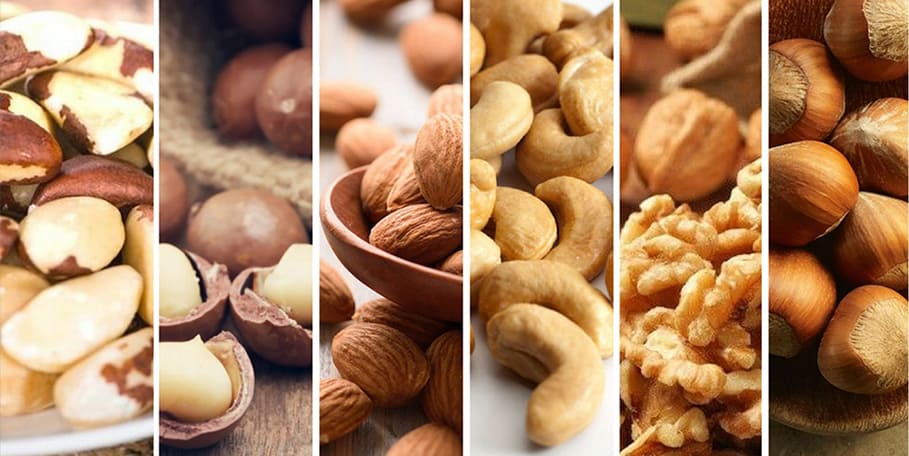
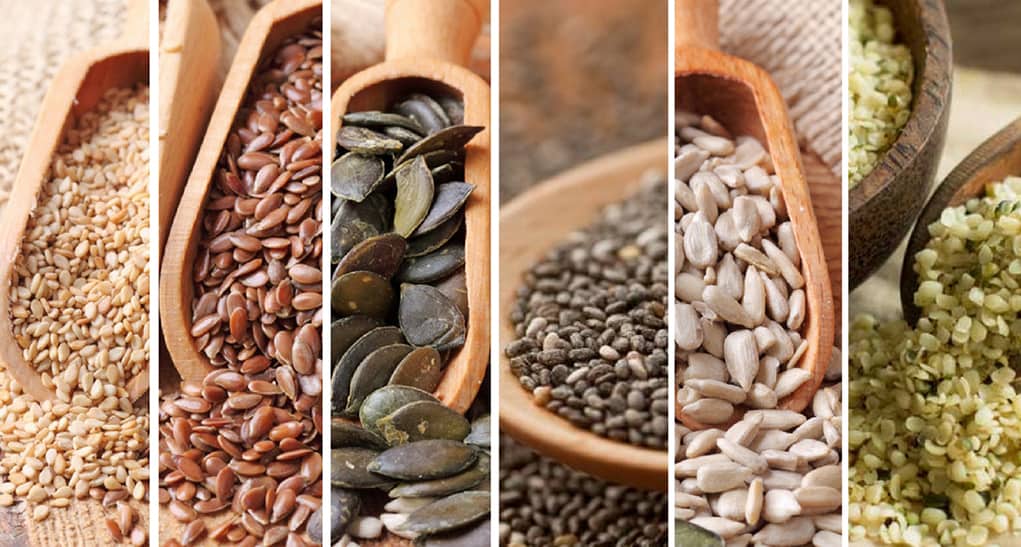
Choose:
- Nuts: almonds, walnuts, hazelnuts, cashews, macadamias, pecans, Brazil nuts
- Seeds: pumpkin, sunflower, chia, flax, sesame, hemp
How to use them:
- As toppings or additions (more like a condiment, to add flavor in a dish, or to suplement proteins and healthy fats when less animal food is consumed.)
- Soaked or sprouted to improve digestibility (soaking will remove the enzyme inhibitors and make them a lot easier to digest. You can also take a step further by sprouting them, reaching a higher concentration and bio-availability of nutrients.)
- Raw and organic, when possible. Almost all of the nuts and seeds that are sold in stores these days, have been roasted, toasted or pasteurized in order to extend their shelf life. These heating processes usually reduce their nutritional value (minerals, enzymes).
- The best way to consume nuts and seeds is in their shell. Avoid nuts packaged or roasted in vegetable oil and with added salt. Purchase from a store that sells a lot of nuts and that has a lot of turnover, so you are more likely to get fresh nuts.
- If you’re trying to supplement your diet with omega-3 fatty acids, walnuts are the best. Brazil nuts are a particularly good source of selenium and almonds – of calcium.
Nut and seed butters:
- Ingredient list should be very short (ideally just the nut or seed + pinch of salt). For example tahini should contain only sesame seeds, almond butter-only almonds.
- Avoid added oils, sugars, and emulsifiers when eating more anti-inflammatory.
- Raw & sprouted nut butters can be expensive to buy at the store, so try online or make your own. My daughter really loves this pumpkin seed butter and hemp seed butter.
Related: Hidden Ingredients In Store Bought (Non-Dairy) Milk Alternatives
6. OILS & FATS
Healthy fats are essential, but added oils should be used in small, intentional amounts.
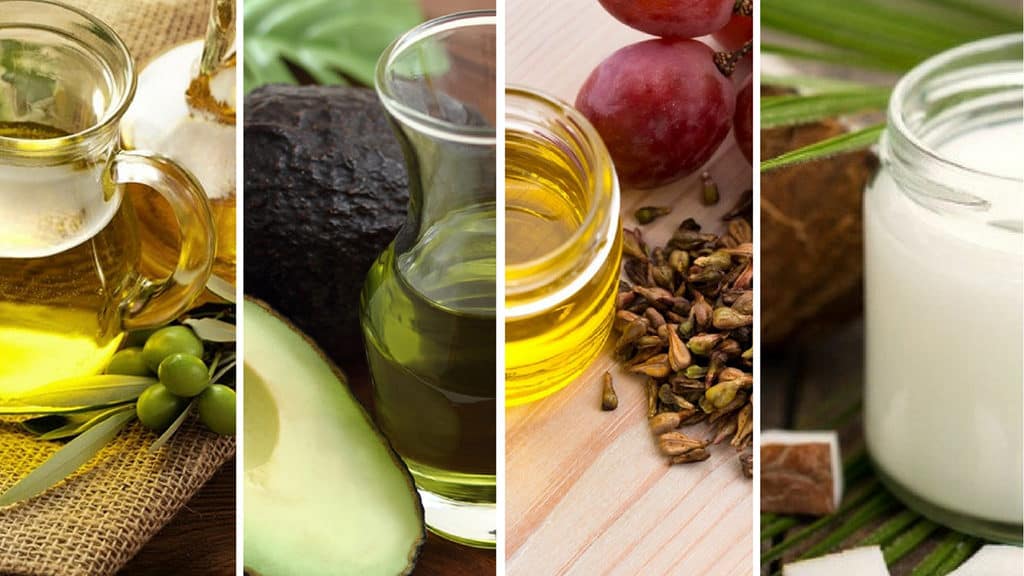
This category includes added oils in cooking or salads – (1 to 2 table spoons of oil per day is good enough). Oils in general should be used in very small quantities when we talk about adding them to the food, because most of them are inferior (in terms of nutrients) than the food it was extracted from. A great example is a whole avocado and avocado oil.
Better options:
- Healthy oils are unrefined, cold pressed, extra-virgin (minimally processed). They will retain their aroma, nutrients, and flavors: olive oil, avocado oil, coconut oil.
- Or whole-food fats: avocado, olives, nuts, seeds, coconut
Tips:
- Use heat-stable fats (avocado oil, coconut oil, ghee, high-quality animal fats) for cooking at higher temperatures (sautéing, baking, and stir-frying).
- Use delicate oils (extra-virgin olive, flax, hemp) cold, in dressings and dips.
- Oils are best within a year of pressing (on average) after that point they become more harmful than healthy. The problem is most commercial oils are quickly oxidized, creating rancidity. This affects the human body by forming free radicals and depleting certain B vitamins.
- Make sure the brand that you are getting is sourced directly from producing countries.
- Store oils away from light and heat and use within a reasonable time to reduce rancidity.
Avoid:
- Labels like “pure olive oil,” “light olive oil,” or simple “olive oil”.
- Highly refined vegetable/seed oils (soy, corn, generic “vegetable oil”, canola) most of them are extracted from genetically engineered plants (they are cheaper) with the help of chemicals. When heated these oils produce oxidized cholesterol, creating chronic inflammation.
- Oil sprays: they use a gas propellant (butane, propane and/or nitrogen) to create a fine mist. Emulsifiers, such as soy lecithin, are used to keep the oil mixture in liquid form.
- Margarine and spreads with many additives (shortening, I Can’t Believe Its Not Butter, Smart Balance) – they are full of genetically modified ingredients, artificial flavors and preservatives.
And just like with food and oils, the tools you cook in matter too. If you’re unsure where to start, here’s how to choose the healthiest cookware with the safest materials. Related: Top Best Non-Toxic Bakeware, Baking Sheets and Pans.
7. MEAT, EGGS, FISH AND DAIRY PRODUCTS
Animal foods can be rich in nutrients but can also be harder to digest for some people with gut issues.
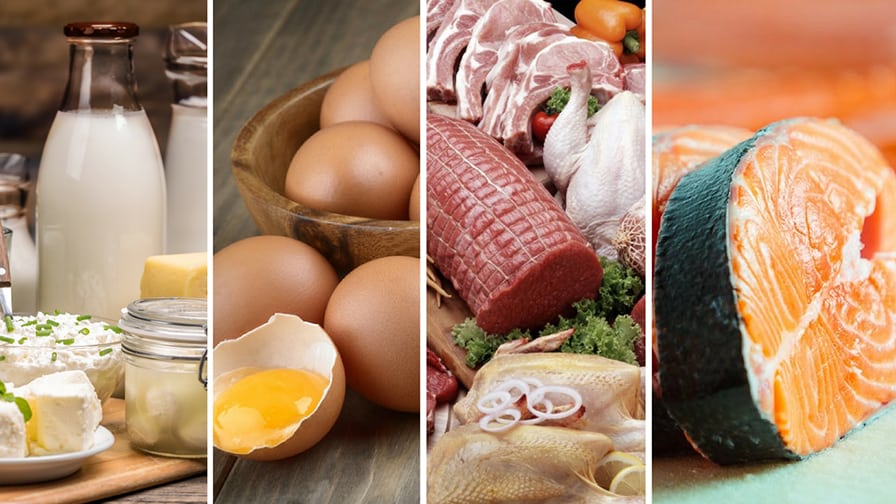
If your digestion is compromised, you may feel better:
- Keeping animal foods to a smaller portion of your plate
- Choosing higher-quality, less processed options
- Preparing them simply and chewing well
Better options:
- Grass-fed, pasture-raised, organic meats and eggs
- Low-mercury wild fish, especially smaller fish like sardines and mackerel. Choose wild over farmed fish (which is raised with chemicals and fed with drugs in order to control parasitic infestations). More information about this you can read here.
- Unsweetened, fermented dairy (yogurt, kefir) only if you tolerate dairy and your practitioner agrees. These have beneficial enzymes, vitamins, minerals, omega-3 fatty acids, and probiotics.
Many people are sensitive to modern, heavily processed dairy. Pasteurization destroys beneficial bacteria (along with the bad ones), enzymes – essential for nutrient absorption. This is probably the reason why so many cannot tolerate and digest dairy anymore. The immune system cannot recognize it and is attacking undigested protein by provoking a defense at worst (allergy) and a sewage sludge at best (mucous).
If dairy is a known trigger for you, it’s reasonable to avoid it while working on gut healing and to discuss reintroduction with your provider later if appropriate.
8. HERBS, SPICES AND OTHER CONDIMENT FOOD
Herbs and spices are some of the most concentrated anti-inflammatory foods you can use.
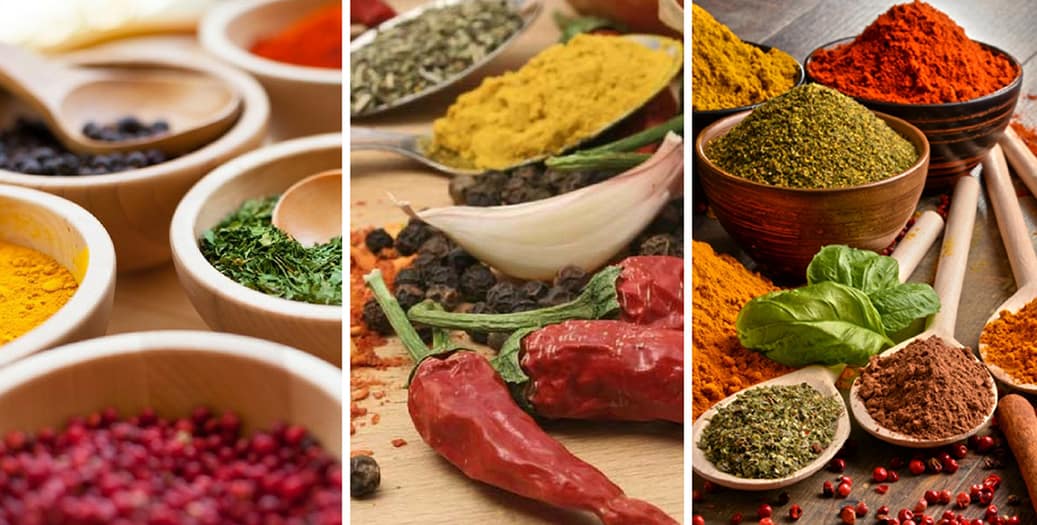
Choose:
- Fresh garlic, onion, ginger, turmeric, basil, parsley, cilantro, etc.
- Organic dried herbs and spices without anti-caking agents
- Non-irradiated seasonings
- Healthier salt options: Celtic sea salt or Himalyan pink salt, both rich in trace minerals and lower in sodium. Good quality salt can help balance electrolytes, balance the body’s pH level, support nutrient absorption, and eliminate toxins.
Avoid or limit:
- Pre-made seasoning mixes with MSG, artificial flavors, or many additives (bullion cubes and powders, some ketchup and mayonnaise (with a long list of ingredients) – they are usually highly processed with added additives, fillers, and artificial flavors plus byproducts of processing. They are known to cause inflammation and cell damage.
- Processed condiments with long ingredient lists and lots of sugar or refined oils: barbecue sauce, “stir-fry” sauces, “sandwich spreads”, commercial salad dressings – usually based on cheap refined seed oils (soybean, canola), sugar or corn syrup, gums, stabilizers, artificial flavors, and colorants.
- Table salt is highly refined and processed with anti-caking agents such as calcium silicate and other additives.
Tip: Create your own healthy spice blends at home, purchase organic, dried herbs and spices in bulk in mix them as you like: whole garlic, ginger, turmeric, cinnamon, coriander, cumin, herbs. Use them fresh or simply dehydrate the onions, garlic cloves, chili peppers crush them yourself to a desired consistency, and store in glass seasoning jars.
Make your own healthy sauces and dressings.
9. CANNED FOODS
Sometimes packaged foods are practical and necessary. The goal is to choose them intentionally.
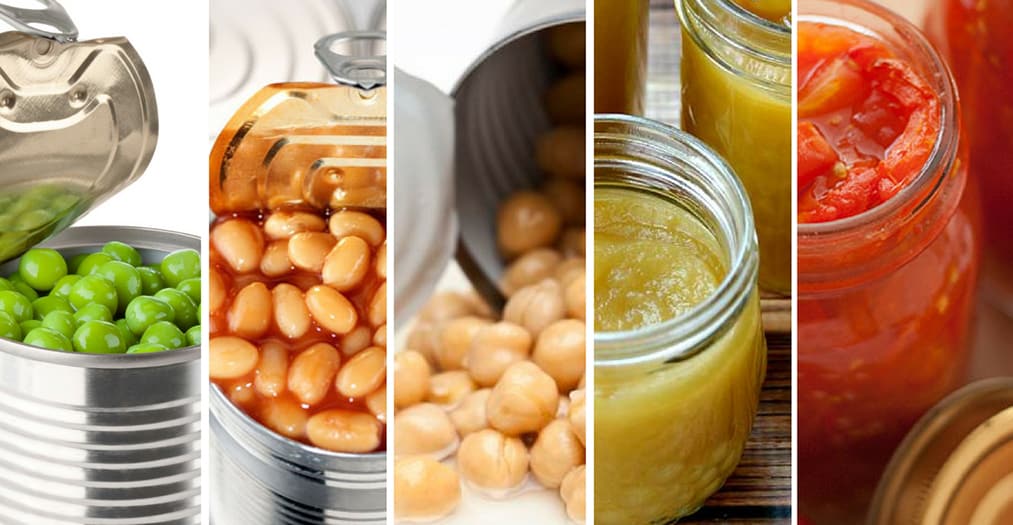
If you are going to consume any processed or prepackaged foods at all, good options are things like organic canned beans or tomatoes (BPA free) that contain only water and sea salt nothing else, or with very minimal ingredients in general.
When buying foods like olives, vinegar, nut butters, apple sauce, honey, maple syrup, choose glass over plastic. You can keep your jars and reuse them to store leftovers.
Why? Because most plastic products can release chemicals that act like the hormone estrogen causing serious hormonal imbalances over time.
When you can, choose glass, stainless steel, or other inert materials for storage and packaging.
Inflammatory Foods To Avoid
There are several foods that you should avoid if your goal is to reduce inflammation in the body. This category includes all processed foods and frozen dinners, pre-made mixtures and packaged foods (including gluten-free / vegan labels), like:
- Ultra-processed snacks: Chips, crackers, granola, puffed rice, bagged popcorn, bagels, bread sticks, pita bread, croutons and other snacks.
- Refined sweets: cookies, pastries, cake mixes, muffins, donuts, marshmallows, ice cream and other frozen desserts.
- Highly refined carbs: white bread, pizza, pasta, noodles, breakfast cereals, pie crust mixes & fillings, many frozen dinners
- Ultra-processed fats: vegan margarine and artificial butters, canola oil, vegetable oil etc.
- Processed meats: Deli meat, chicken nuggets, hot dogs, burgers, sausage, pepperoni etc.
- Commercial sugary sauces & condiments: salad dressing, pre-made condiments, canned soups, canned fruit, ketchup, mustard, BBQ sauce, etc.
- Low-fat, low-carb products, they are usually more processed than regular ones.
- White table salt, baking powder, gelatins, white sugar, corn syrup, rice syrup, agave syrup, pudding, pasteurized honey.
Simple rule:
If a food is canned, jarred, bagged, or boxed and has a long list of ingredients you don’t recognize, it’s probably not helping your inflammation.
Bio-Individuality & Testing Your Own Triggers
Even with the best anti-inflammatory food list, there is no single food plan that works perfectly for everyone. Two people can eat the exact same meal and have very different reactions.
When you’re using food to support healing, keep these principles in mind:
- Start with quality first. Clean, minimally processed, organic where possible.
- Change one thing at a time. If you change everything overnight, it’s hard to know what helped or hurt.
- Notice your body’s feedback. Bloating, skin changes, sleep, mood, energy, bowel habits – they’re all data points.
- Use elimination and reintroduction when needed. Sometimes you need a short trial without a category (like dairy, gluten, or nightshades), then carefully reintroduce one at a time to see how you feel.
Your goal is not to follow a rigid “perfect” diet forever, but to learn what works for your body at this stage of healing and adjust as you go.
Where To Start If This Feels Overwhelming
You don’t have to change everything at once. In fact, most people do better with small, consistent shifts than with an all-or-nothing overhaul.
Here are a few gentle places to start:
- Upgrade your liquids.
Swap sodas and sugary drinks for filtered water, herbal teas, infused water, and occasional fresh veggie juices. - Make half your plate vegetables once a day.
Even if the rest of the meal isn’t “perfect,” increasing colorful veggies is a big win for your gut and cells. - Choose one processed food you eat daily and upgrade it.
For example: swap flavored yogurt for plain with fruit, boxed cereal for a simple GF porridge, or bottled dressing for olive oil + lemon. - Pick one animal product to improve in quality.
Maybe you switch to organic eggs, wild-caught salmon, or grass-fed beef once a week. - Use the healthy plate template as a visual guide.
Instead of obsessing over macros, use my healthy balanced plate template to assemble meals with the right proportions of veggies, protein, healthy fats, and smart carbs.
Bottom Line: Building an Anti-Inflammatory Way of Eating
Most modern health problems are driven not by a single “bad food,” but by years of relying on low-quality, ultra-processed foods, high stress, poor sleep, and a lack of supportive habits.
Chronic illnesses (cancer, obesity, diabetes, and heart disease) usually develop slowly, not overnight – compounded by lifestyle choices. Adding one salad a week won’t undo a deeply processed diet.
Real change comes from:
- Gradually increasing the percentage of real, high-quality, anti-inflammatory foods in your life
- Reducing your exposure to heavily processed, additive-rich products
- Adjusting lifestyle behaviors, including exercise habits.
- Supporting your gut, nervous system, and mindset around food
- Working with your own practitioner to personalize things for your body
If you’re ready to keep going, my recipes and resources are designed to help you eat more real food, reduce inflammatory triggers, and feel more at home in your body.
It’s so important for everyone who has access or desire for better nutrition habits to educate themselves about what really goes into their foods before eating them!
Grab Your Printable List of Anti-inflammatory Foods
Want a simple, summarized version (with some extra info) of this guide you can keep handy? Tap the image in the post to download the Anti-Inflammatory Foods List (PDF).
If you’d like more done-for-you meal ideas using this way of eating, my Gluten Free Dairy Free Cookbook brings together 128 real-food recipes (no refined sugar, no highly processed ingredients) that follow the same anti-inflammatory, gut-friendly approach.
Disclaimer: The information, including but not limited to, text, graphics, images and other material contained on this website are for informational purposes only and should not be considered to be a specific diagnosis or treatment plan for any individual situation. Seek the direct advice of your own doctor if you have any questions or issues. Please refer to my full disclaimer for more info.
©HealthyTasteOfLife. Content and photographs are copyright protected and need prior permission to use. Copying and/or pasting full recipes to other websites and any social media is strictly prohibited. Sharing and using the link of this recipe is both encouraged and appreciated!



Great information. You have a wealth of information on your site! Just beautiful, thank you so much for all of your hard work and for sharing with others.
Thank you Karin, I hope the info helps a lot of people!
I’m sorting out my health now and this information is very useful to me. Thank you !
I’m really glad you found this info useful! You’re on the right path, the hardest thing is to get started 🙂
Keep functioning ,remarkable job!
Wow…this is a pretty detailed guide of what to eat and what to avoid, I’m glad I stumbled upon this information!
I hope it comes in handy!