
Vegan Meal Replacement Smoothies Without Protein Powder
These vegan meal replacement smoothies are dairy-free, gluten-free, and made without protein powder. They’re built with real foods like fruit, seeds, oats, avocado, greens, nuts, and plant milk, so they work better as a light breakfast, quick lunch, post-workout option, or lighter evening meal.
A smoothie can replace breakfast or a light meal sometimes, but only when it’s built like a meal, not just blended fruit and liquid. That means it needs enough whole-food carbohydrates, protein, fiber, healthy fat, and volume to feel satisfying. Otherwise, it may taste good in the moment but leave you hungry again soon after.
If you try one of these smoothies, leave a quick ★★★★★ rating and tell me which one became your favorite.
This page focuses on smoothies that are built closer to a light meal. If you’re looking for simpler morning smoothie ideas, start with my dairy-free breakfast smoothies. For lighter whole-food smoothie combinations, see my plant-based smoothies without dairy.
What to Know First
A smoothie is not automatically a meal replacement. A fruit smoothie made with banana, berries, and water can be refreshing, but it’s usually more of a drink / snack or dessert. A meal-style smoothie needs more structure.
For a smoothie to work closer to a small meal, it should include:
- whole-food carbohydrates for energy
- protein from seeds, nuts, oats, or plant-based yogurt
- fiber from fruit, greens, chia, flax, or oats
- healthy fat from avocado, nuts, seeds, or coconut
- enough volume and calories to keep you satisfied
This is especially important if you’re using the smoothie instead of breakfast, lunch, or a light dinner.
Can a Smoothie Replace a Meal?
Yes, sometimes. A smoothie can replace a meal when it is balanced enough and your body feels good with that lighter option.
But I don’t think smoothies should replace full meals every day for most people. A proper meal that you chew usually gives better satiety, more texture, and a stronger digestive signal. Chewing also starts the digestive process in the mouth and helps you slow down. A smoothie is best used as a tool, not as a rule.
When a Meal Replacement Smoothie Can Work Well
A meal-style smoothie can be helpful when:
- you need a fast breakfast before leaving the house
- you want something lighter than a full cooked meal
- your digestion feels slower or heavier
- you want a softer blended meal
- you’re not very hungry but still want nourishment
- you want to include ingredients you don’t enjoy eating separately
- you need an easy post-workout or post-walk option
- you want a lighter evening meal instead of something heavy
- you need an on-the-go option that is still more balanced than a snack
This is where smoothies can be practical, especially when they include protein, fiber, and healthy fats.
When a Smoothie Should Not Replace a Meal
A smoothie may not be enough if it is mostly fruit, juice, and water. That kind of smoothie can be delicious, but it may not give you the same fullness as a balanced plate with protein, vegetables, fat, and something to chew.
A smoothie should not be treated as a full meal if it has:
- no protein source
- no healthy fat
- very little fiber
- mostly juice
- only sweet fruit
- not enough calories for your needs
If a smoothie leaves you hungry, tired, or snacky soon after, it probably needs more balance, or it may be better paired with something you can chew.
Why Chewing Still Matters
Even though smoothies are convenient, chewing still matters.
When you chew food, you slow down, taste the meal more fully, and start the digestive process in the mouth. Chewing also helps the body recognize that food is coming in, which can support satiety.
That’s one reason I don’t see smoothies as a permanent replacement for balanced meals. They can be very useful, but most people still benefit from eating regular meals with texture, fiber, and foods that require chewing.
How to Build a Vegan Meal Replacement Smoothie
Use this formula:
Whole-food carbs + protein + fiber + healthy fat + liquid + flavor
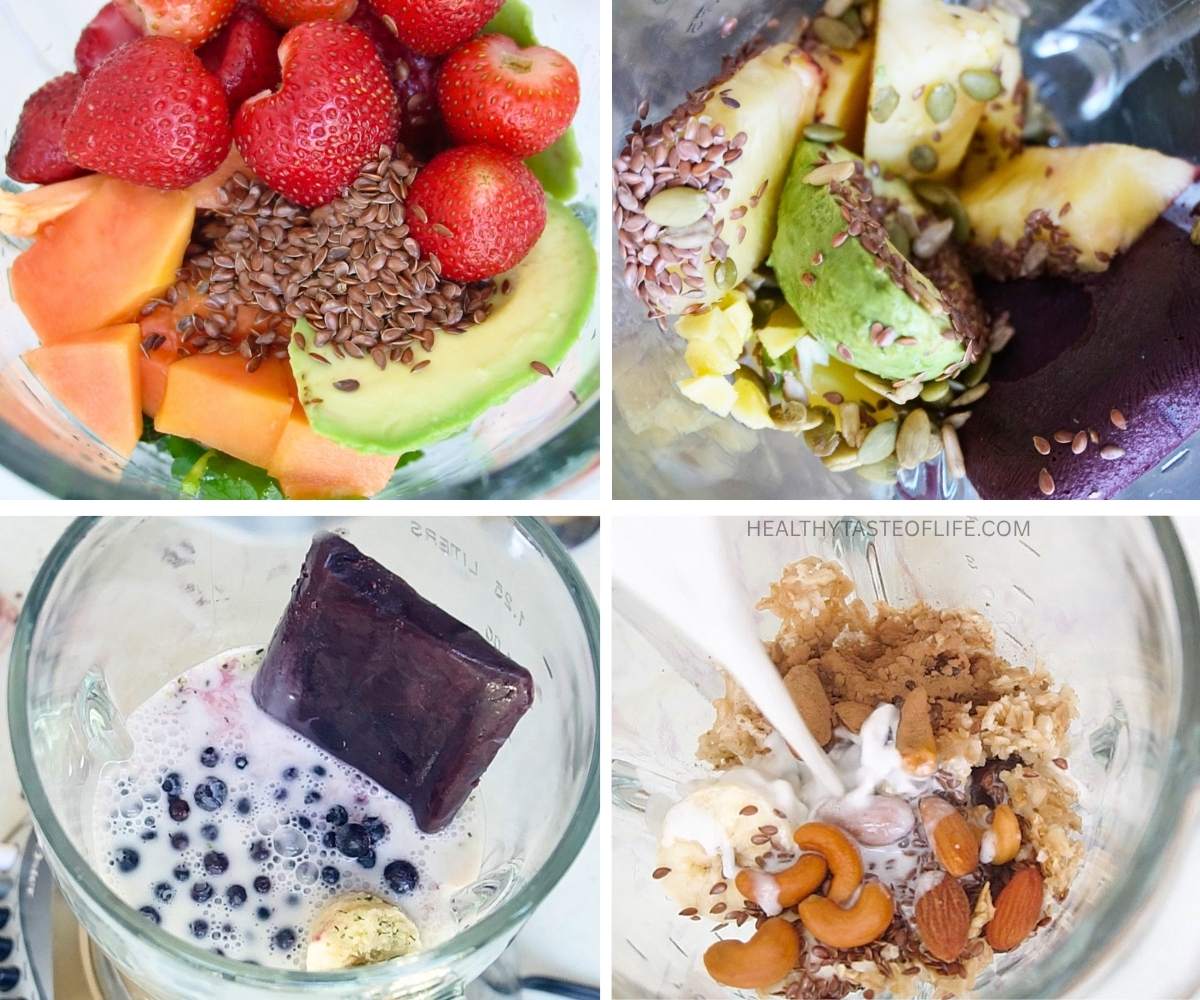
- Whole-food carbohydrates: whole, fibrous fruits, nutrient-dense veggies or cooked grains, these provide energy and make the smoothie feel more like a meal. Good options: banana, mango, pineapple, apple, papaya, cooked oats, cooked buckwheat, cooked sweet potato, carrots, raw or cooked beets, cooked squash.
- Plant-based protein. You don’t need protein powder to add protein. Use whole-food ingredients that also bring minerals, fiber, and texture. Good options: seeds (hemp, chia, flax, pumpkin, sunflower) or their butters, nuts or their butters, thick plain dairy-free yogurt, cooked oats or a higher-protein plant milk.
- Fiber. Fiber helps with fullness and slows down how quickly the smoothie digests. Good options: seeds like flax and chia, berries, greens, apple or pear with skin, oats, vegetables like zucchini, cucumber, bell peppers, cauliflower, or celery.
- Healthy fat. Fat makes smoothies creamier and more satisfying. Good options: avocado, hemp seeds (or hemp oil), chia, flax, nut butter, seed butter, coconut yogurt, coconut milk, soaked cashews etc.
- Liquid or dairy-free base: you can use filtered water, coconut water, hemp milk, almond milk, cashew milk, oat milk, coconut milk or dairy-free yogurt mixed with water.
You can also make a quick blender milk by blending ½ cup water + 1–2 tablespoons nuts or seeds first, then adding the rest of the ingredients.
Need more milk-free base ideas? See my nut-free non-dairy milk alternatives for smoothie-friendly options beyond almond and cashew milk.
How Much Protein Should a Meal Smoothie Have?
This depends on the person, the size of the meal, and what else you’re eating that day. But for a more filling smoothie, I like to aim for at least one solid protein.
Simple whole-food protein add-ins:
- 3 Tbsp hemp seeds = about 10g protein
- 2 Tbsp pumpkin seeds = about 5g protein
- 2 Tbsp sunflower seeds = about 3–4g protein
- 1 Tbsp chia seeds = about 2g protein
- 1 Tbsp ground flaxseed = about 1–2g protein
- ¼ cup cooked oats = about 2g protein
- 1 Tbsp almond butter = about 3–4g protein
- 1 Tbsp cashew butter = about 3g protein
For a smoothie that replaces a light meal, you’ll usually need more than just 1 tablespoon of seeds. A better starting point is 2–3 tablespoons of hemp seeds, plus chia/flax or oats for more fiber and body.

Health Coach Tip
The amount of filling ingredients and protein you add will depend on the person and the season of life they’re in.
A child may only need a small smoothie alongside regular meals, while a very active person, someone with a physical job, or someone training regularly may need more protein, healthy fats, and slow-digesting carbohydrates to stay full.
Women may also notice that their needs shift throughout the month. For example, some may feel better with more protein, fat, and minerals during the luteal phase, or need more constant, nourishing meals during perimenopause and menopause. Someone in a healing or rebuilding phase may also need a more substantial smoothie than someone using it as a light snack.
Use the recipes as a starting point, then adjust with hemp seeds, chia, oats, avocado, nut/seed butter, or dairy-free yogurt based on appetite, energy, and how long the smoothie keeps you satisfied.
Meal Replacement Smoothies and Weight Loss
Smoothies can fit into a weight-conscious plan, but they are not automatically better for weight loss.
A smoothie can be helpful when it replaces a less healthy option or when you need a lighter meal that still includes protein, fat, and fiber.
But if it’s mostly fruit juice, multiple sweet fruits, and no protein or fat, it can be easy to drink a lot quickly and your body fails to register this feeling of fullness, leading to constant hunger or overeating.
The goal is not to drink less food. The goal is to build a smoothie that supports energy, digestion, and satiety.
Smoothies can be useful, but for daily meals I usually come back to my balanced plate template: protein, colorful plants, healthy fats, and foods that require chewing.
Common Mistakes With Meal Replacement Smoothies
- Using mostly fruit and juice: This makes the smoothie sweet, but not very filling. Use whole fruit and add protein, fiber, and fat.
- Skipping protein: A meal-style smoothie needs more than fruit. Add hemp seeds, pumpkin seeds, seed butter, oats, or dairy-free yogurt.
- Making it too low-calorie: A very low-calorie smoothie may feel “healthy,” but it may not work as a meal. If you’re replacing breakfast or lunch, it needs enough substance.
- Adding too many powders: Protein powders can be convenient, but keep in mind that most of top selling brands have safety issues. So it’s safer to use whole foods instead.
- Drinking too fast: Because smoothies are blended, they’re easy to drink quickly. Sip slowly, or pair the smoothie with something small you can chew if you need more satiety.
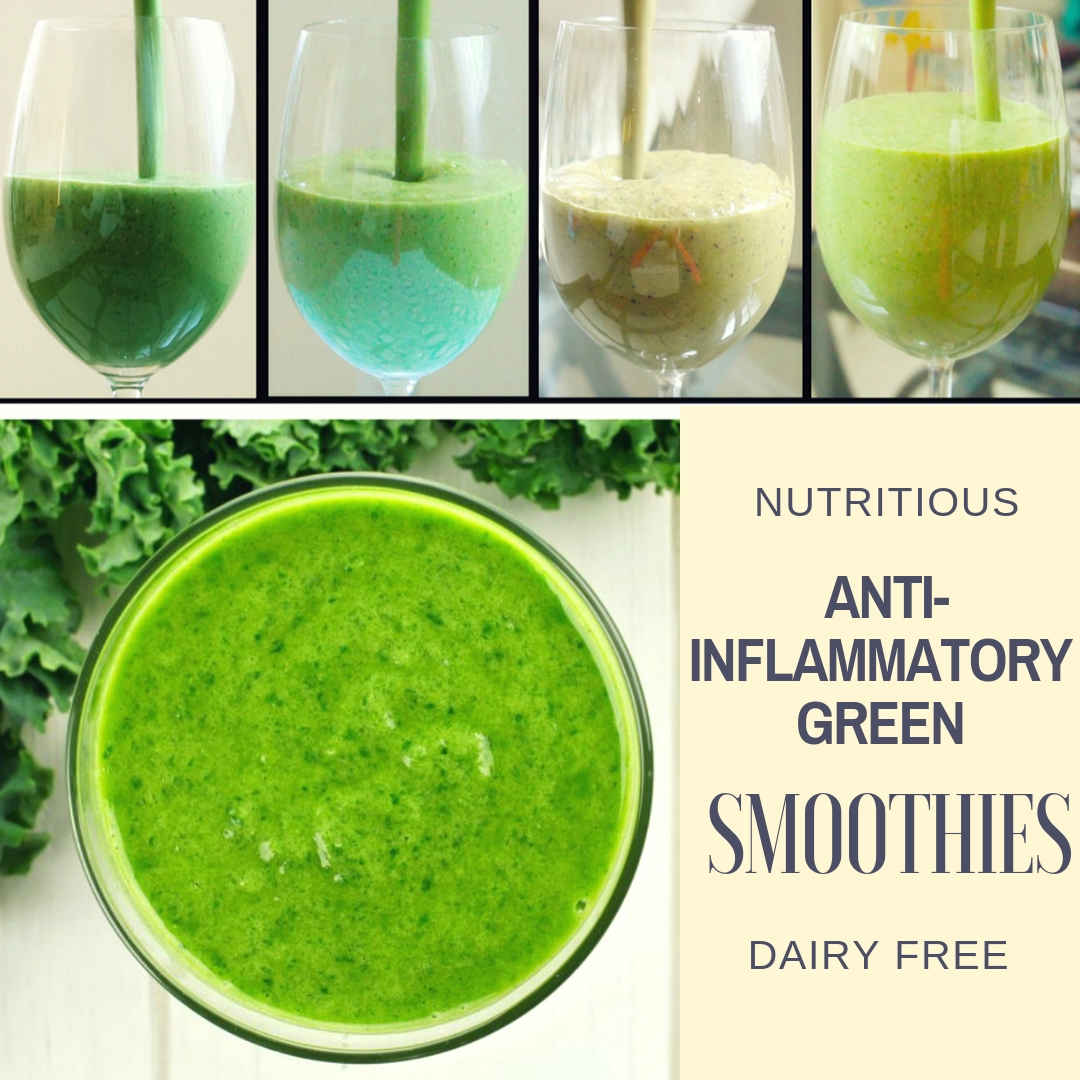
You may also like my iron-rich smoothie or these anti-inflammatory green smoothies.
What to Pair With a Smoothie If You’re Still Hungry
If a smoothie alone doesn’t satisfy you, pair it with something simple:
- gluten-free toast with avocado
- a boiled egg if you eat eggs
- a handful of nuts or seeds
- rice cakes with seed butter
- a small bowl of oatmeal
- leftover roasted sweet potato
- a savory breakfast wrap
- a few gluten-free crackers with hummus
This keeps the smoothie simple and easy to modify, rather than overloading it with every possible ingredient and nutritional supplement at once.
For more ideas that include texture and chewing, see my gluten-free dairy-free breakfast ideas or these savory gluten-free dairy-free breakfasts.
If You’re Tired of Conflicting Nutrition Advice + Want a Simpler Approach To Healthy Eating
Join My Newsletter 👇
I share insights on food quality, gut health, health coaching tips beyond nutrition, and whole-food recipes that support long-term health, without strict rules or complicated meal plans.
Plus, you’ll get access to exclusive resources I don’t always share on the website.
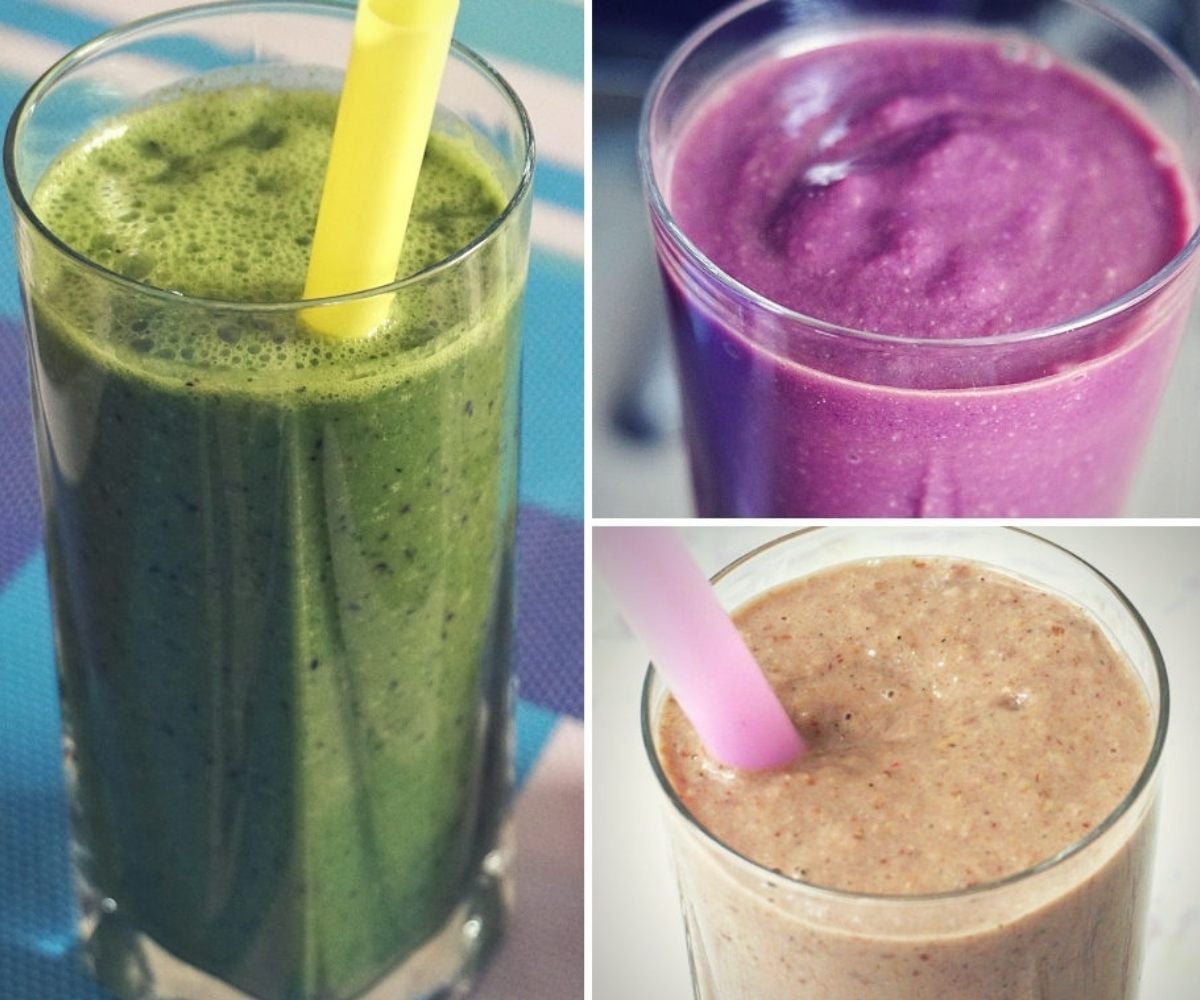
In the recipe card below, I’m showing three examples of how to build a vegan meal replacement smoothie without protein powder. They show how you can build a blended meal with whole-food ingredients. Use them as written, or adjust the add-ins depending on whether you want something lighter, creamier, or more filling.
Want more dairy-free drinks? Browse these dairy-free smoothie recipes and refreshing beverages next.
Vegan Meal Replacement Smoothies (3 Whole-Food Recipes)
Ingredients
Optional Add-Ins to Make Any Smoothie More Filling (Choose 1 or 2)
- 2-3 tbsp hemp seeds
- 1 tbsp chia seeds
- 1 tbsp ground flaxseed
- 1-2 tbsp pumpkin seeds - or sunflower seeds
- 1 tbsp nut butter - or seed butter
- ¼-½ avocado
- ¼ cup cooked gluten-free oats - or buckwheat
- 2-4 tbsp thick dairy-free yogurt - coconut or cashew based
1. Antioxidant Berry Smoothie
- 1 banana - fresh or frozen
- 3-4 tbsp wild blueberries - frozen / fresh
- 2 tbsp hemp seeds
- 1 tbsp nut butter - peanut, cashew or almond
- 1 cup hemp milk - or other
- 1 tbsp acai powder, freeze-dried - (or frozen acai pack)
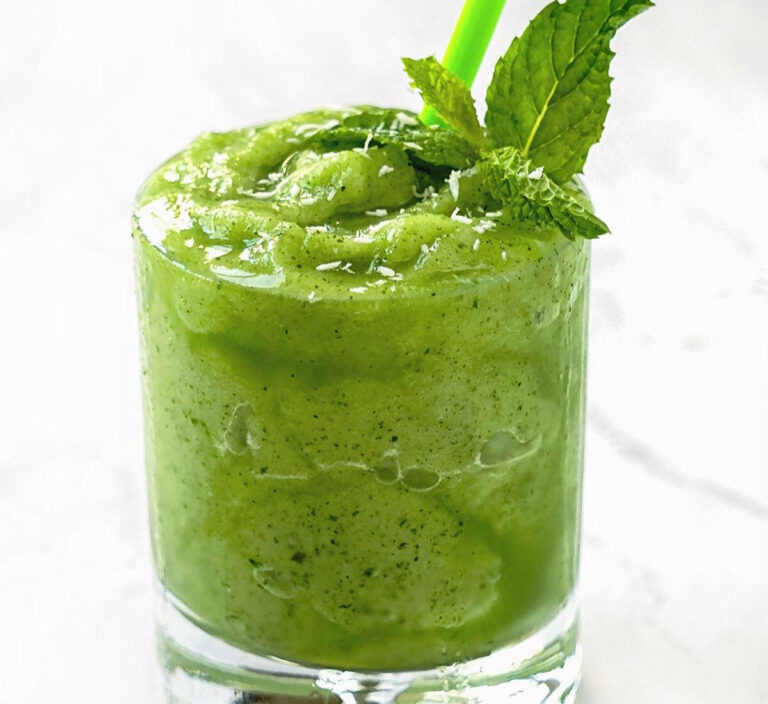
2. Low Sugar Green Smoothie
- 3 leaves of Tuscan (Dino) kale
- handful of parsley
- ½ cup fresh papaya - cubed, or mango
- ½ cup fresh strawberries
- ½ avocado
- 1-2 tbsp flax seeds or chia - ground or whole
- ¾ cup filtered water - or plant based milk
3. Chocolate Carob Smoothie
- 1 banana - fresh or frozen
- ½ cup cooked oats - (leftovers)
- 1-2 tbsp flax seeds - ground or whole
- 1-2 tsp carob powder - or cacao powder
- 1 cup plant milk - (I used hemp, for more protein)
- 5-6 cashews - raw, unsalted
- 5-6 almonds - raw, unsalted
Instructions
- Choose one smoothie variation.
- Add the liquid to the blender first.
- Add fruit, greens, seeds, oats, avocado, nuts, and any optional add-ins. Add the frozen item last.
- Blend until smooth and creamy.
- If the smoothie is too thick, add 1–2 tablespoons water or plant milk at a time.
- Taste and adjust. Add more fruit for sweetness, more seeds or oats for satiety, or more liquid for a thinner texture.
- Serve right away for the best flavor and texture.
Notes
What Makes This a Meal Replacement Smoothie?
A smoothie works better as a light meal when it includes whole-food carbohydrates, protein, fiber, healthy fat, and enough volume to feel satisfying.No Protein Powder Needed
These smoothies use whole-food protein sources like hemp seeds, flax, oats, nuts, seeds, avocado, and plant milk.Nut-Free Option
Use hemp seeds, chia, flax, pumpkin seeds, sunflower seeds, seed butter, coconut yogurt, and nut-free plant milk. Skip cashews, almonds, almond milk, and nut butter.Storage
Smoothies taste best fresh. If needed, store in a sealed jar in the refrigerator for up to 24 hours. Shake or re-blend before drinking.Pairing Tip
If the smoothie doesn’t keep you full, pair it with something you can chew, like gluten-free toast, rice cakes with seed butter, a small bowl of oats, or a savory snack.Nutrition
The information shown is an estimate provided by an online nutrition calculator.
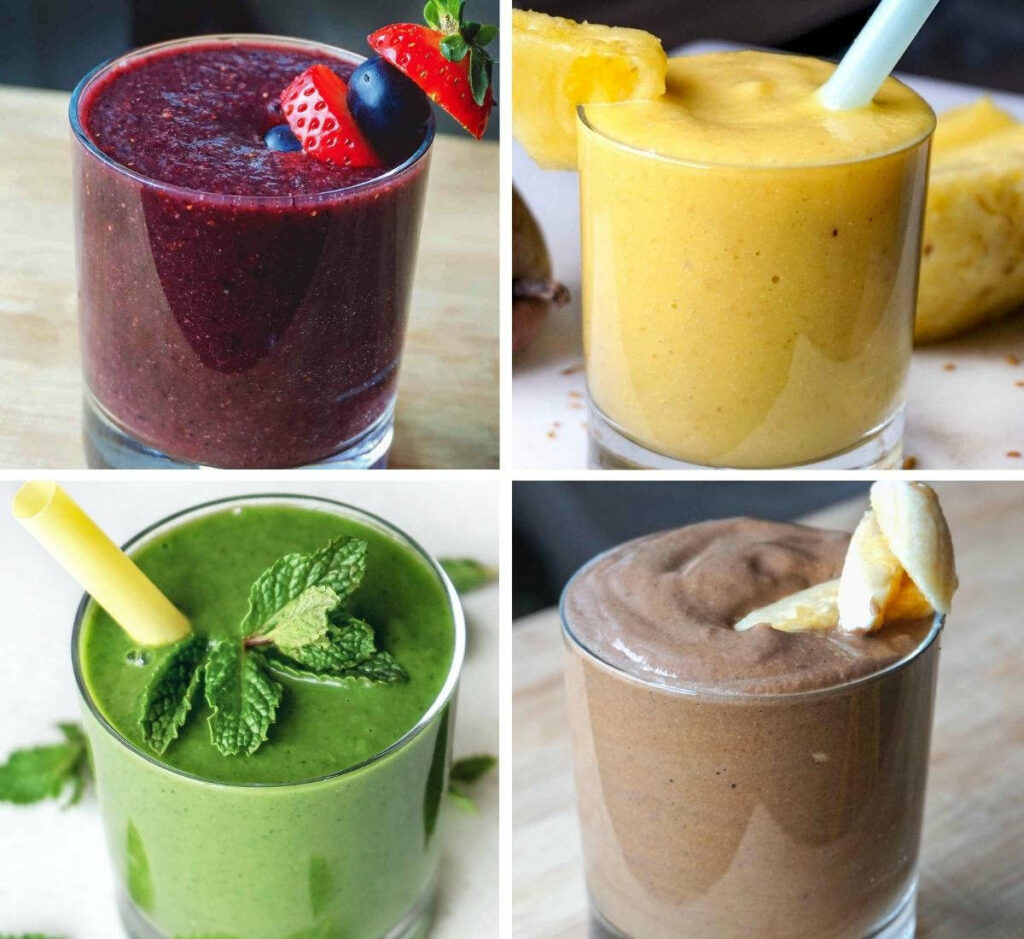
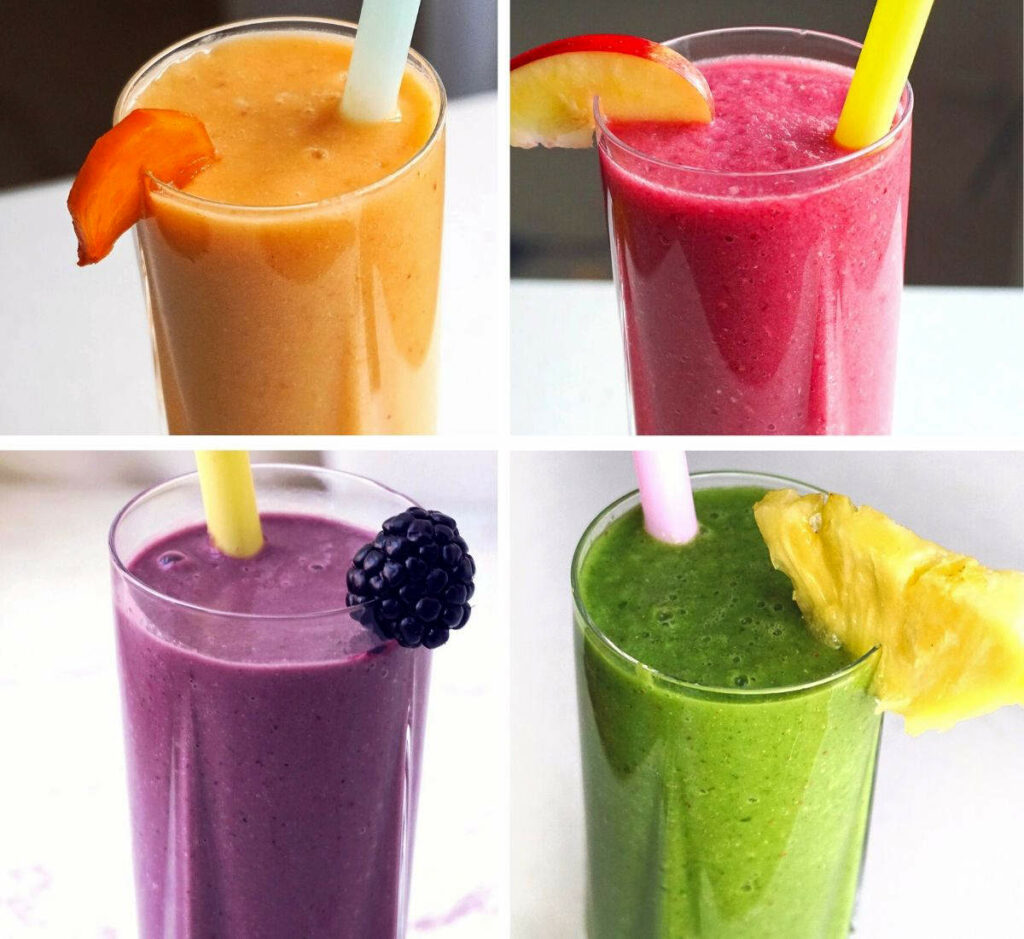
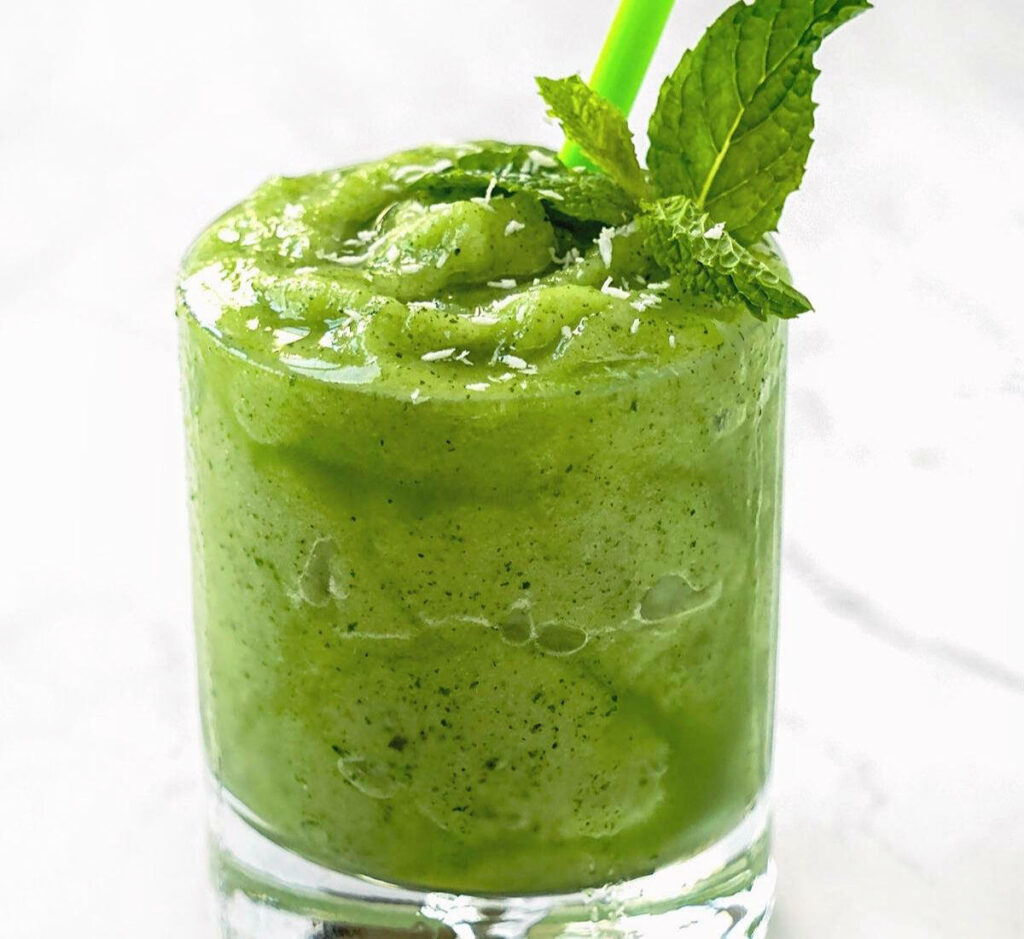
More Dairy-Free Smoothies and Drinks

FAQ
Yes, a smoothie can replace a light meal when it includes protein, fiber, healthy fat, whole-food carbohydrates, and enough volume to feel satisfying. A fruit-only smoothie is usually better as a snack or dessert drink.
A meal replacement smoothie should include a source of protein, fiber, healthy fat, and whole-food carbohydrates. Examples include hemp seeds, chia, flax, oats, avocado, berries, greens, nut/seed butter, and plant milk or dairy-free yogurt.
Yes. Use hemp seeds, chia, flax, pumpkin seeds, sunflower seeds, oats, nut butter, seed butter, soaked cashews, or thick dairy-free yogurt for whole-food protein and texture.
They can fit into a weight-conscious health plan if they are balanced and satisfying. Use whole fruit instead of juice, include protein and fat, and avoid making the smoothie overly sweet.
A smoothie can work as a lighter dinner sometimes, especially when you want something easy to digest. For a more dinner-like smoothie, include protein, fat, fiber, and enough calories, or pair it with something small you can chew.
Yes, these smoothies are gluten-free if you use certified gluten-free oats and gluten-free plant milk or add-ins.
Yes. These smoothies are made without dairy milk, regular yogurt, cream, or whey protein. Use plant milk, water, coconut water, or dairy-free yogurt.
©HealthyTasteOfLife. Content and photographs are copyright protected and need prior permission to use. Copying and/or pasting full recipes to other websites and any social media is strictly prohibited. Sharing and using the link of this recipe or article is both encouraged and appreciated!
Can you live off these smoothies for all your meals?
This is not recommended by nutritionists, we need a variety of foods in our diets, smoothies can be enjoyed in addition to what we eat.
I love the idea of using leftover oatmeal in a chocolate smoothie, it definetly enhances and makes the texture silkier and keeps you full longer…It s basically a drinkable poridge ?
Yes, if you love oatmeal you will also love this smoothie 🙂