
Plant-Based Smoothies Without Dairy (Whole-Food Ideas)
Plant-based smoothies can be a simple way to add more fruits, greens, seeds, and healthy fats into your day. Especially when you want something lighter, quicker, or easier to take with you.
These plant-based smoothies without dairy are gluten-free, dairy-free, vegan, and made without protein powder. Use them as a lighter breakfast, snack, post-walk drink, or simple blended meal on days when that feels better than a heavier plate.
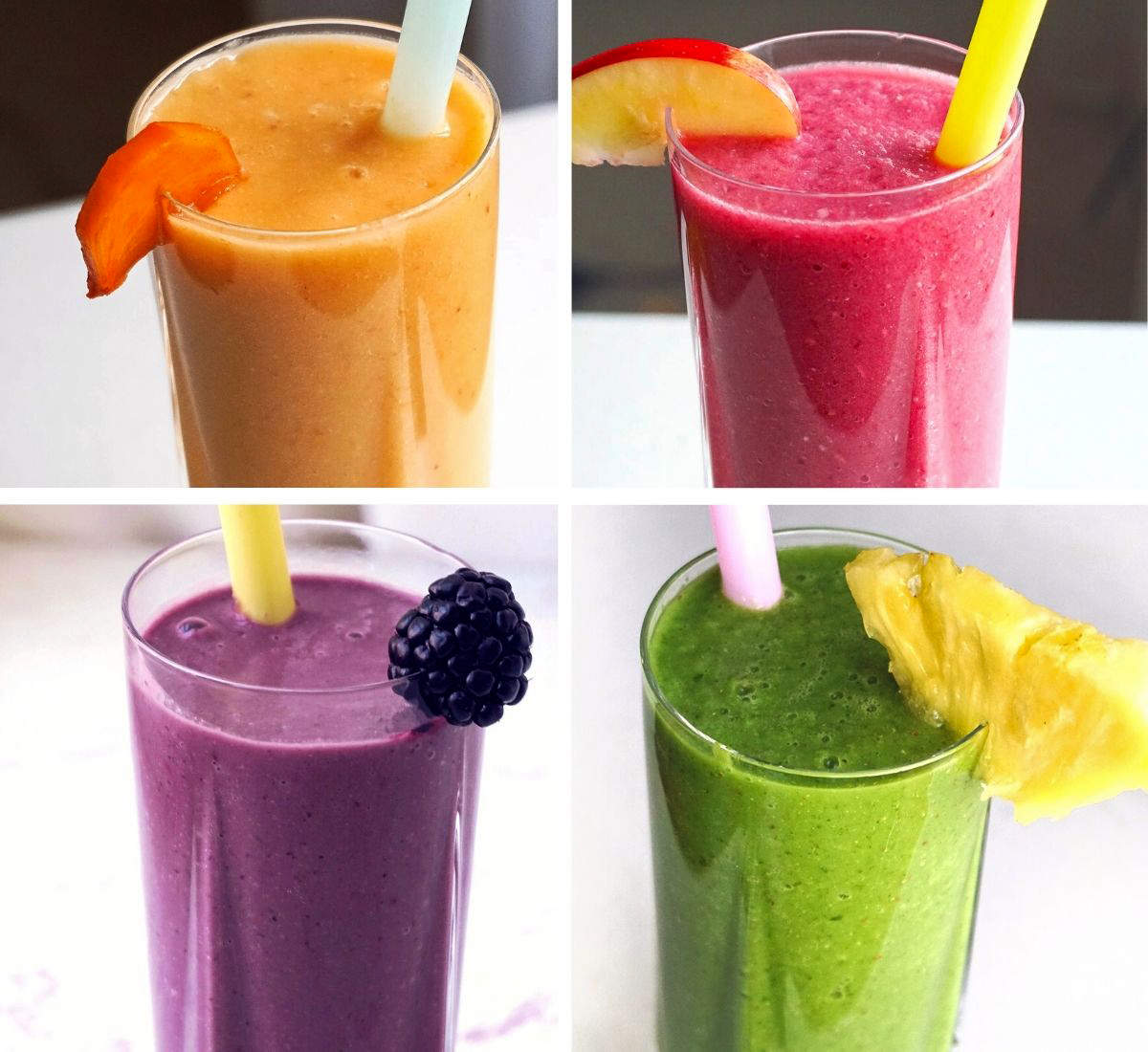
This page is focused on whole-food plant-based smoothie ideas. If you’re looking specifically for morning smoothies, see my Dairy-Free Breakfast Smoothies That Keep You Full. If you want a more filling smoothie that works closer to a light meal, try my Vegan Meal Replacement Smoothies Without Protein Powder.
What to Know Before Blending
These smoothies are not meant to be “magic weight loss drinks.” They’re simply a practical way to blend whole-food ingredients into something easier to drink and digest.
And I don’t think smoothies should automatically replace real meals every day. A full balanced meal that you chew usually gives better satiety, supports digestion through the chewing process, and helps you feel more satisfied. A smoothie can still be useful, though, when it’s built with enough fiber, protein, fat, and whole-food ingredients.
When a Smoothie Can Work Well
A smoothie can be helpful when:
- you want a lighter breakfast
- you need something quick before leaving the house
- you want a softer, blended option
- raw greens or seeds feel easier blended than eaten separately
- you want to mask stronger ingredients like greens, herbs, or seeds
- you want a lighter evening option instead of a heavy dinner
- you’re not very hungry but still want nourishment
Some people also use smoothies when their digestion feels slower or heavier. Blending can make the texture easier, but it does not replace the value of chewing and eating balanced meals most of the time.
For more ideas that work as part of a gluten-free dairy-free morning routine, see my gluten-free dairy-free breakfast ideas.
Whole Food Plant-Based Smoothie Formula
Use this simple formula when you want to build your own smoothie: Fruit + greens/veggies + liquid + fiber/protein + healthy fat + flavor.
For example:
- Fruit: pineapple, mango, berries, apple, pear, persimmon, pomegranate
- Greens: kale, collards, beet greens, parsley, mint, spinach
- Liquid: water, coconut water, hemp milk, almond milk, cashew milk, or oat milk
- Fiber/protein: flax, chia, hemp seeds, pumpkin seeds, sunflower seeds
- Healthy fat: avocado, hemp seeds, flax oil, nut/seed butter
- Flavor: ginger, cinnamon, mint, lemon/lime, carob, vanilla
This keeps the smoothie more balanced than blending fruit and juice alone.
How to Make Plant-Based Smoothies More Balanced /Filling
A plant-based smoothie can be light and refreshing, or it can be more filling depending on what you add. If your smoothie is mostly fruit and liquid, it may taste good but leave you with a sugar spike, and hungry soon after.
To make a plant-based smoothie more balanced, think in layers. Add at least one ingredient from each group:
- Whole-food carbohydrates: Use fruit, cooked grains, or starchy vegetables for energy. Good options: banana, mango, pineapple, apple, cooked oats, cooked buckwheat, cooked sweet potato, carrots, raw or cooked beets.
- Fiber: Use berries, apple, pear, leafy greens, flax, chia, or non starchy vegetables like cauliflower, broccoli, celery, zucchini, bell peppers or cucumbers.
- Protein: Use hemp seeds, pumpkin seeds, sunflower seeds, chia, flax, nut butter, seed butter, or a higher-protein plant milk. You don’t need protein powder if you have whole foods.
- Healthy fat: Use avocado, hemp seeds, flax oil, hemp oil, coconut milk, coconut yogurt, or nut/seed butter.
- Flavor support: Use ginger, mint, cinnamon, lemon, lime, vanilla, or herbs so the smoothie tastes fresh without needing extra sweeteners.
Health coach note: fruit juices can make smoothies taste sweeter, but they add much more sugar without the same fiber as whole fruit. I usually prefer whole fruit mixed with veggies plus water, coconut water, or plant milk – as the base liquid.
A Note About Smoothies and Weight Loss
Smoothies can fit into a weight-conscious health plan, but only when they are balanced and nutritious. A smoothie made with mostly fruit juice, lots of sweet fruit, and no protein or fat can be easy to drink quickly and may not keep you full.
The goal is not to drink less food, but to build a smoothie that supports your energy and doesn’t leave you searching for snacks an hour later.
For a lighter smoothie, use mostly whole fruit, greens, water or plant milk, and a small amount of seeds or avocado.
For a more filling smoothie, add:
- 2–3 Tbsp hemp seeds
- 1 Tbsp chia or flax
- ¼ avocado
- ¼ cup cooked oats
- 1–2 Tbsp seed butter
- a few tablespoons of dairy-free yogurt
For everyday meals, I still prefer using a balanced plate approach so meals include protein, fiber, fat, and enough texture to chew.
4 Plant-Based Smoothie Recipes Without Dairy
1. Green Pineapple Smoothie
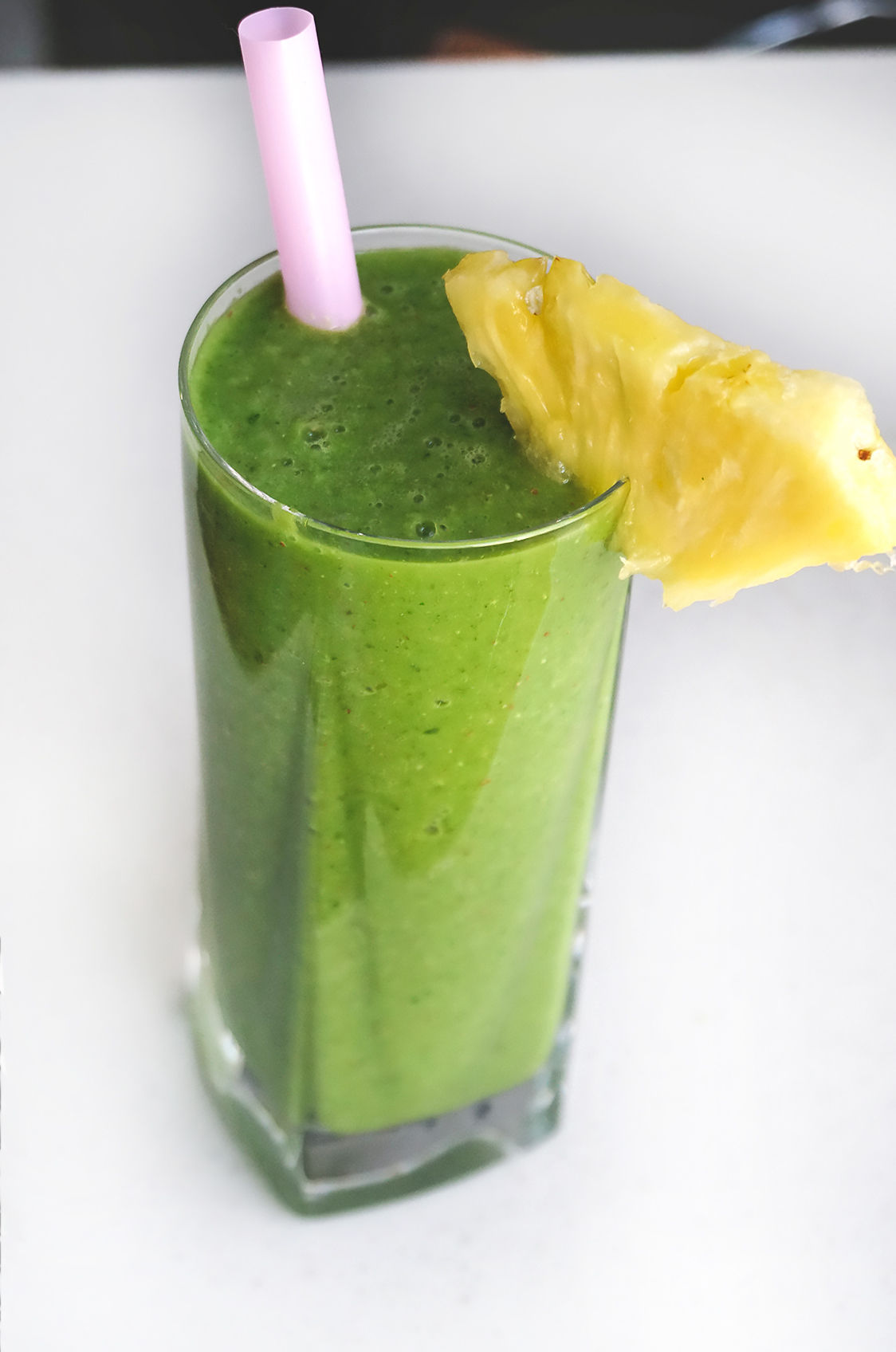
This green pineapple smoothie combines fruit, leafy greens, parsley, avocado, flax, and ginger. It’s fresh, lightly sweet, and a good beginner green smoothie because the pineapple helps balance the stronger flavor of the greens.
Best for: a lighter green smoothie
Make it more filling: add 2–3 Tbsp hemp seeds or a few spoonfuls of dairy-free yogurt.
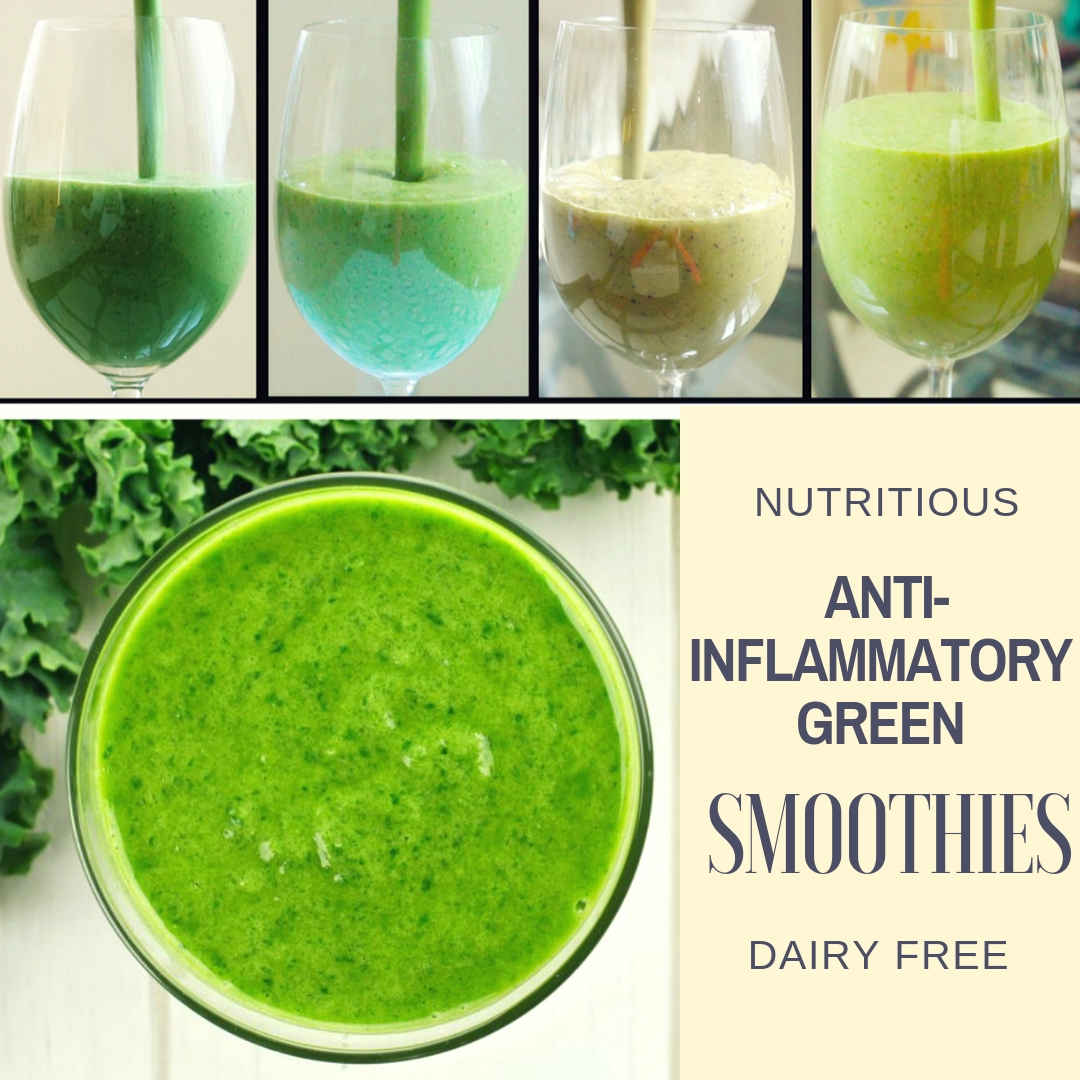
If you enjoy green smoothies, you may also like these anti-inflammatory green smoothies.
2. Mango Blackberry Smoothie
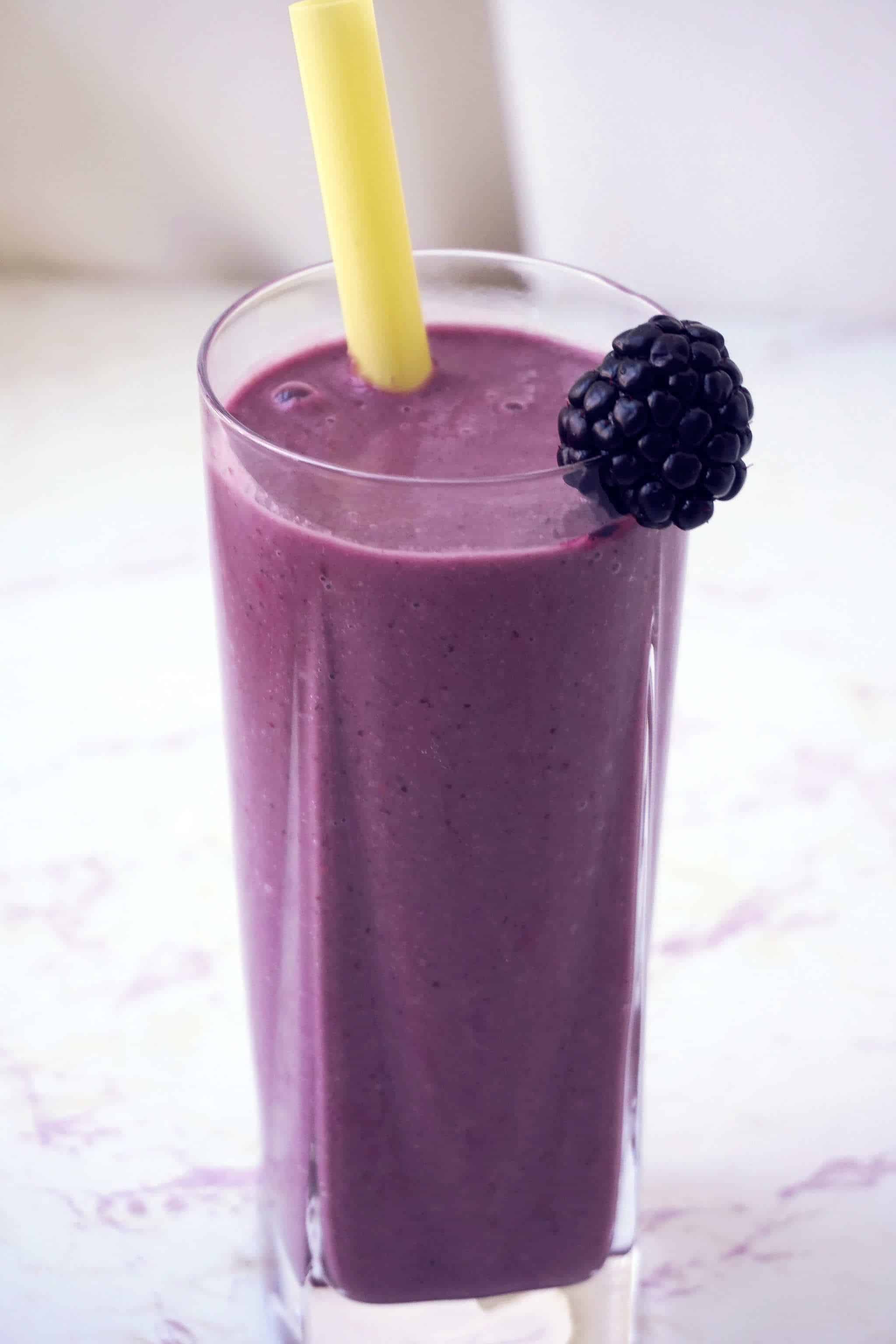
This smoothie uses mango, blackberries, beet greens, seeds, and hemp oil or hemp seeds. It’s a good way to use tender greens that you might not always enjoy on their own.
Best for: adding greens and seeds in a sweeter smoothie
Make it more balanced: use hemp seeds instead of hemp oil when you want more protein.
For another tropical fruit smoothie, try this mango pineapple smoothie made 3 ways.
3. Pineapple Persimmon Rhubarb Smoothie
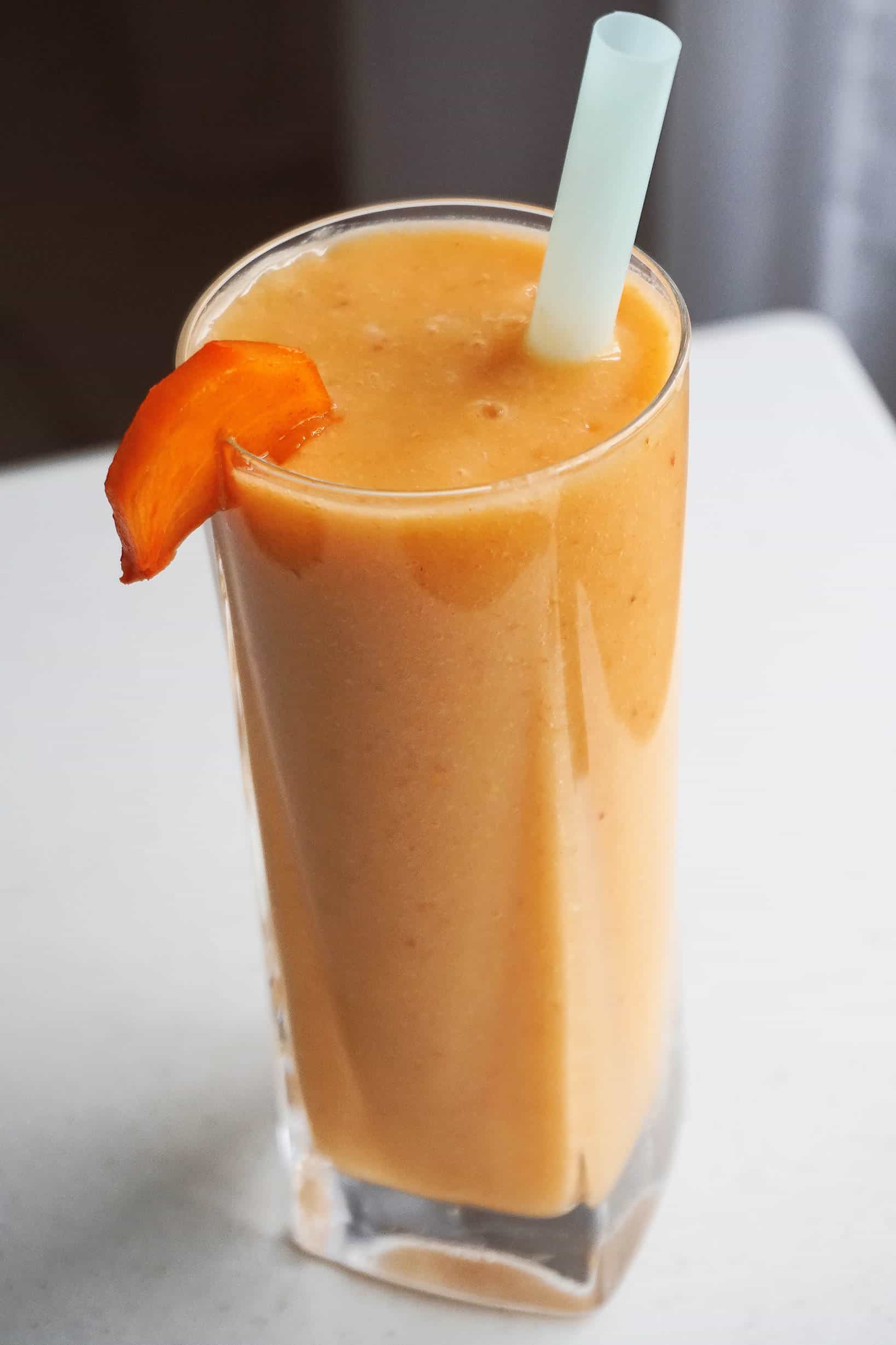
This smoothie has a unique sweet-tart flavor from pineapple, persimmon, and rhubarb. It’s bright, refreshing, and works well when you want a fruit-based smoothie without dairy.
Best for: seasonal fruit lovers
Make it less sweet: use more rhubarb or add a handful of greens.
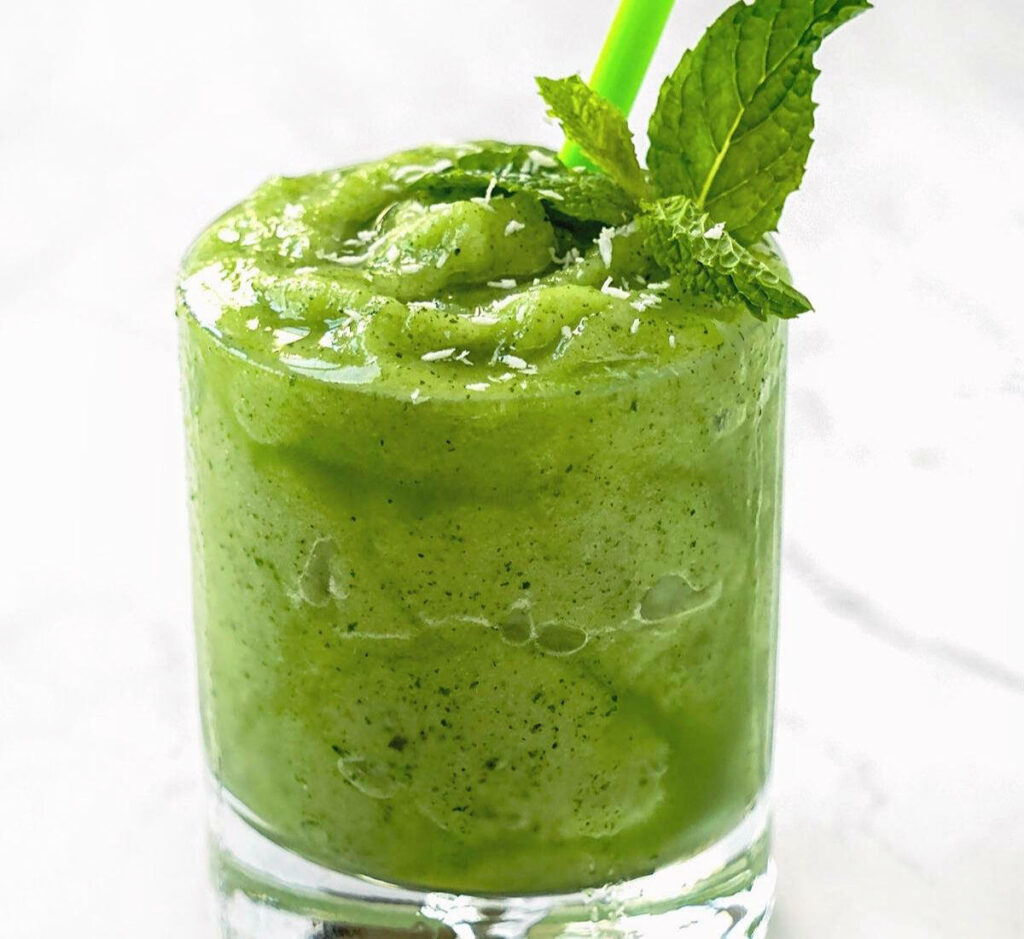
For another bright fruit-based drink, try this refreshing honeydew smoothie slush.
4. Apple Pomegranate Smoothie
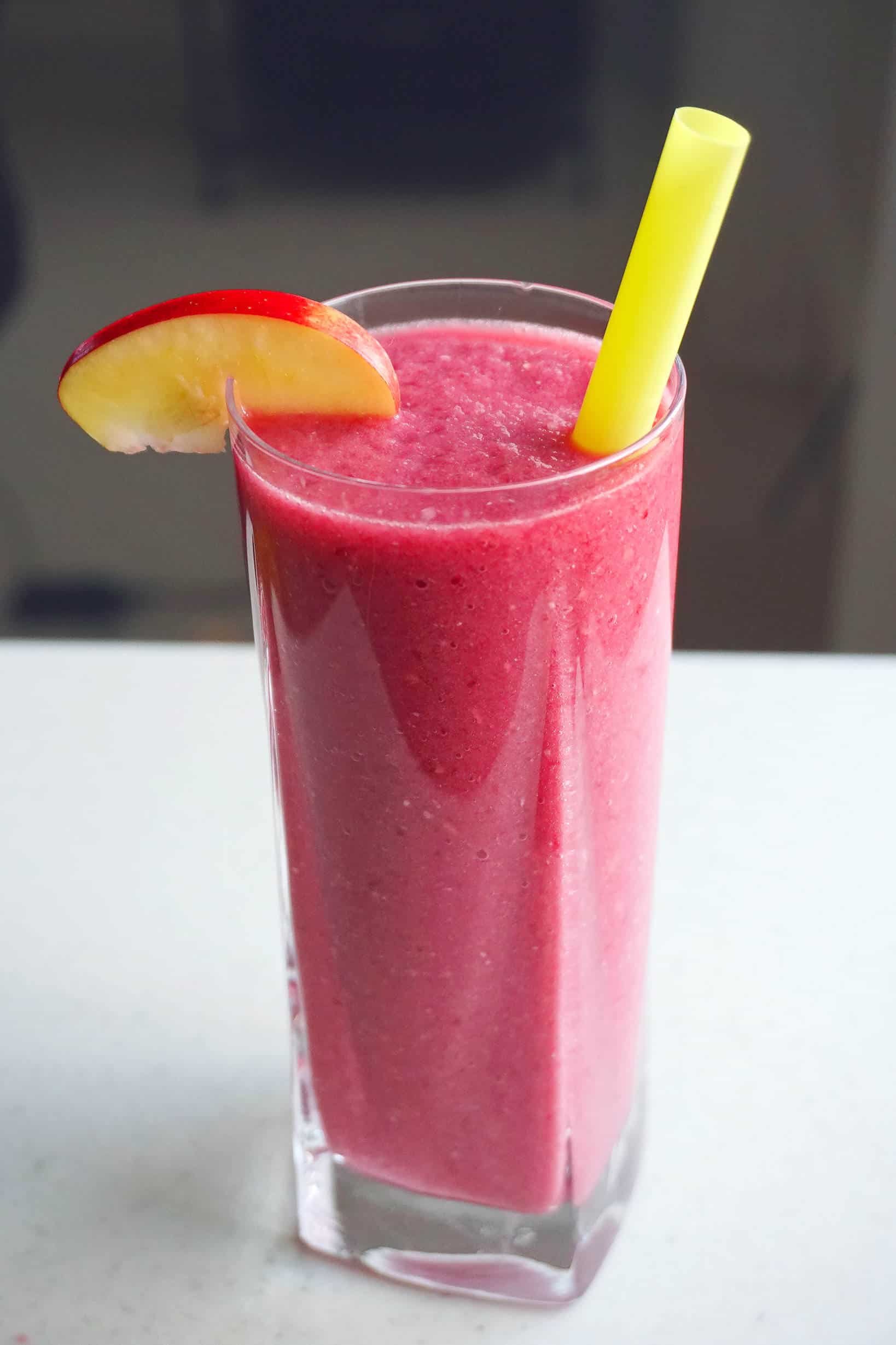
This smoothie blends apple, pomegranate seeds, avocado, and rhubarb for a creamy, tart-sweet drink. Avocado gives it a smoother texture without dairy.
Best for: a colorful, fiber-rich smoothie
Make it more filling and balanced: add hemp seeds, pumpkin seeds, or chia.
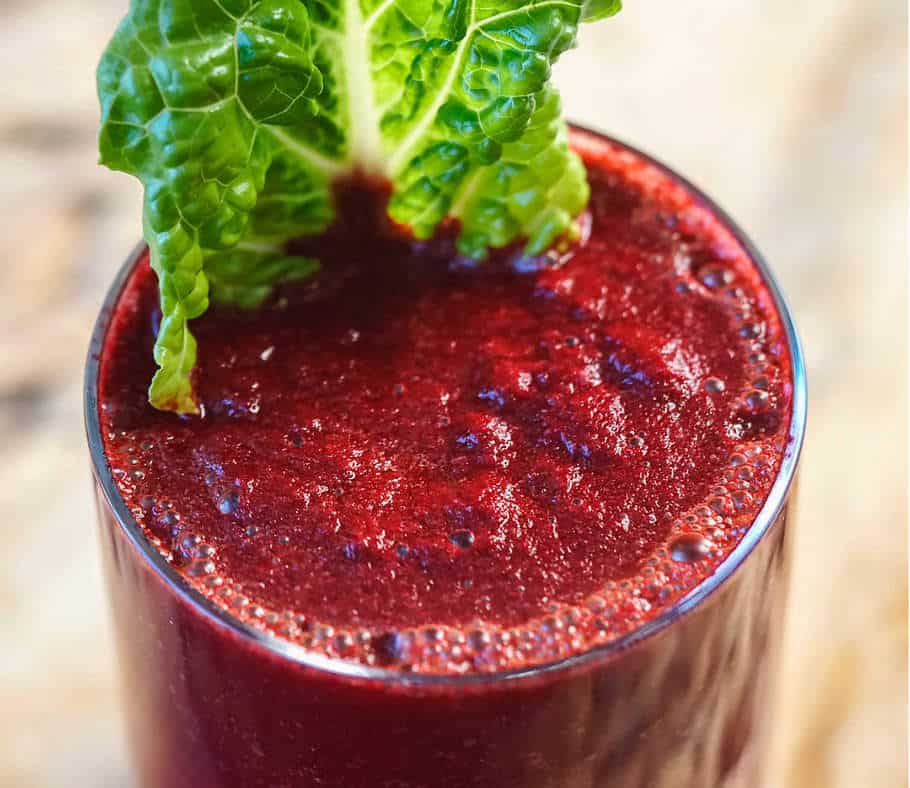
For another nutrient-focused smoothie, try my high-iron smoothie.
Common Smoothie Mistakes
- Too much fruit, not enough fiber/protein: A fruit-only smoothie can taste good but may not keep you full plus it can lead to unintended weight gain, rapid blood sugar spikes, and dental damage. Because blending breaks down whole fruits, it is easy to consume large amounts of fruit and calories very quickly.
- Too much liquid: Start with less liquid and add more slowly. This keeps the texture creamy.
- Using juice as the main base: not recommended if health is your goal. Combining fruit juice with whole blended fruit (due to a highly concentrated dose of fructose) can trigger rapid blood sugar spikes and add excess calories without any extra fiber.
- Adding too many seeds at once: Seeds are helpful, but too many can make the smoothie gritty or very thick. Start with less or add more liquid.

Tips for Better Plant-Based Smoothies
➤ Start with less liquid: You can always add more. Too much liquid makes the smoothie watery and less satisfying.
➤ Layer soft to hard: Place soft ingredients near the bottom, and top with harder / frozen items.
➤ Use whole fruit instead of juice: Whole fruit gives you more fiber and better texture.
➤ Add fat for creaminess: Avocado, dairy-free yogurt, hemp seeds, flax, chia, or soaked cashews can make a dairy-free smoothie feel much creamier.
➤ Soaked Cashews: Raw, unsalted cashews soaked in warm water for 15 minutes blend down into an incredibly luxurious cashew cream.
➤ Add less seeds first: Start with 1–2 tablespoons. Too many seeds can make the smoothie thick or gritty.
➤ Drink it fresh: Smoothies taste best right after blending. If storing, keep in a sealed jar in the fridge and shake before drinking.
Video: How to Make Plant-Based Smoothies Without Dairy
Prefer to watch the texture? In the video, I show how to make these plant-based smoothies with whole fruits, greens, seeds, and simple dairy-free bases (without protein powders).
If you’re not able to see the video, disable your ad-blocker.
If You’re Tired of Conflicting Nutrition Advice + Want a Simpler Approach To Healthy Eating
Join My Newsletter 👇
I share insights on food quality, gut health, health coaching tips beyond nutrition, and whole-food recipes that support long-term health, without strict rules or complicated meal plans.
Plus, you’ll get access to exclusive resources I don’t always share on the website.
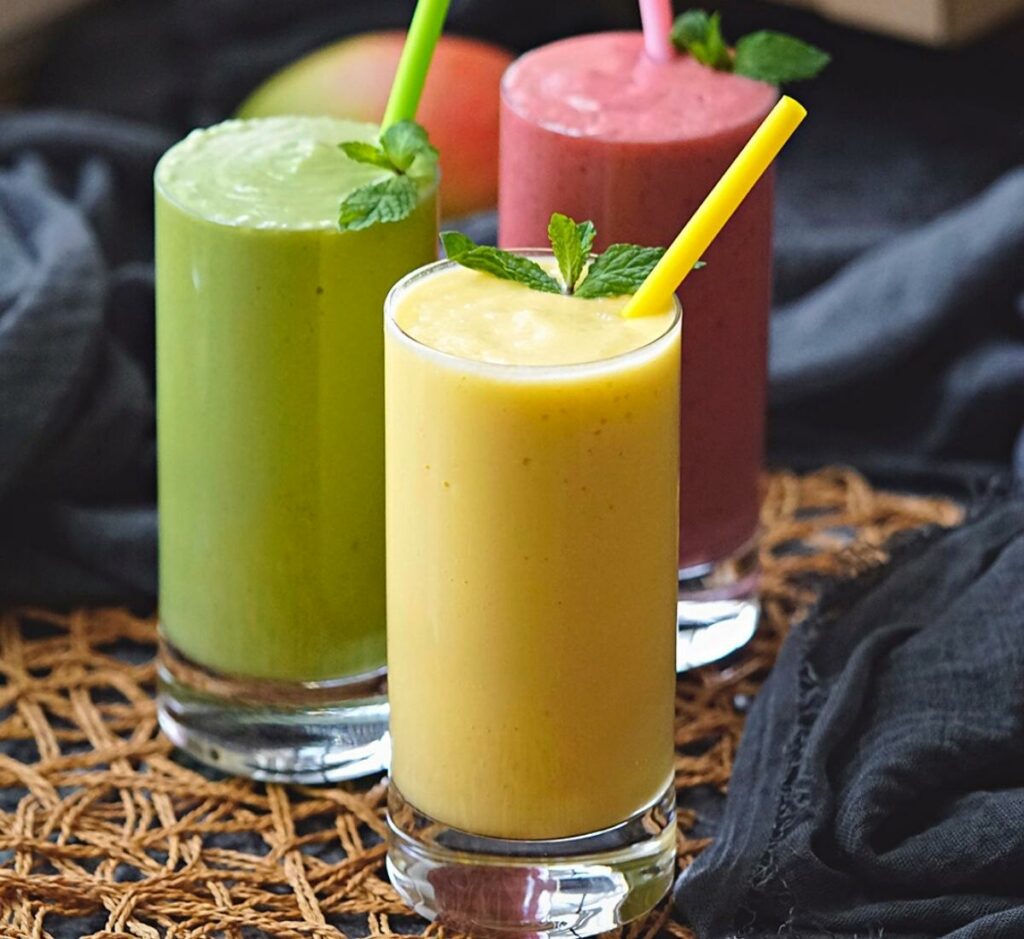
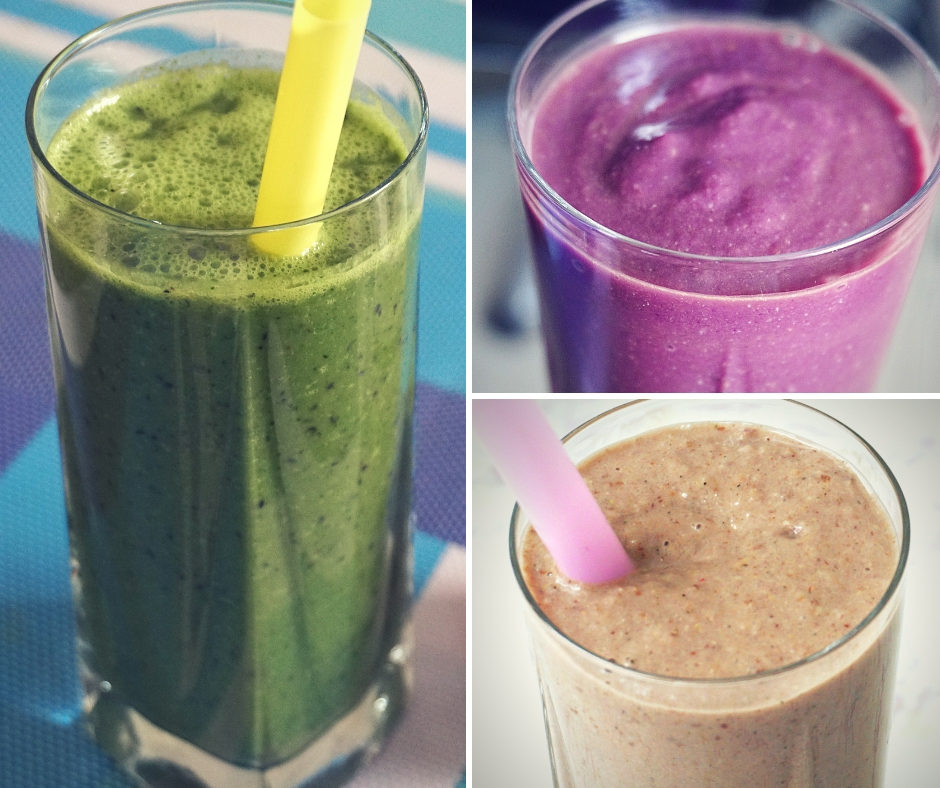
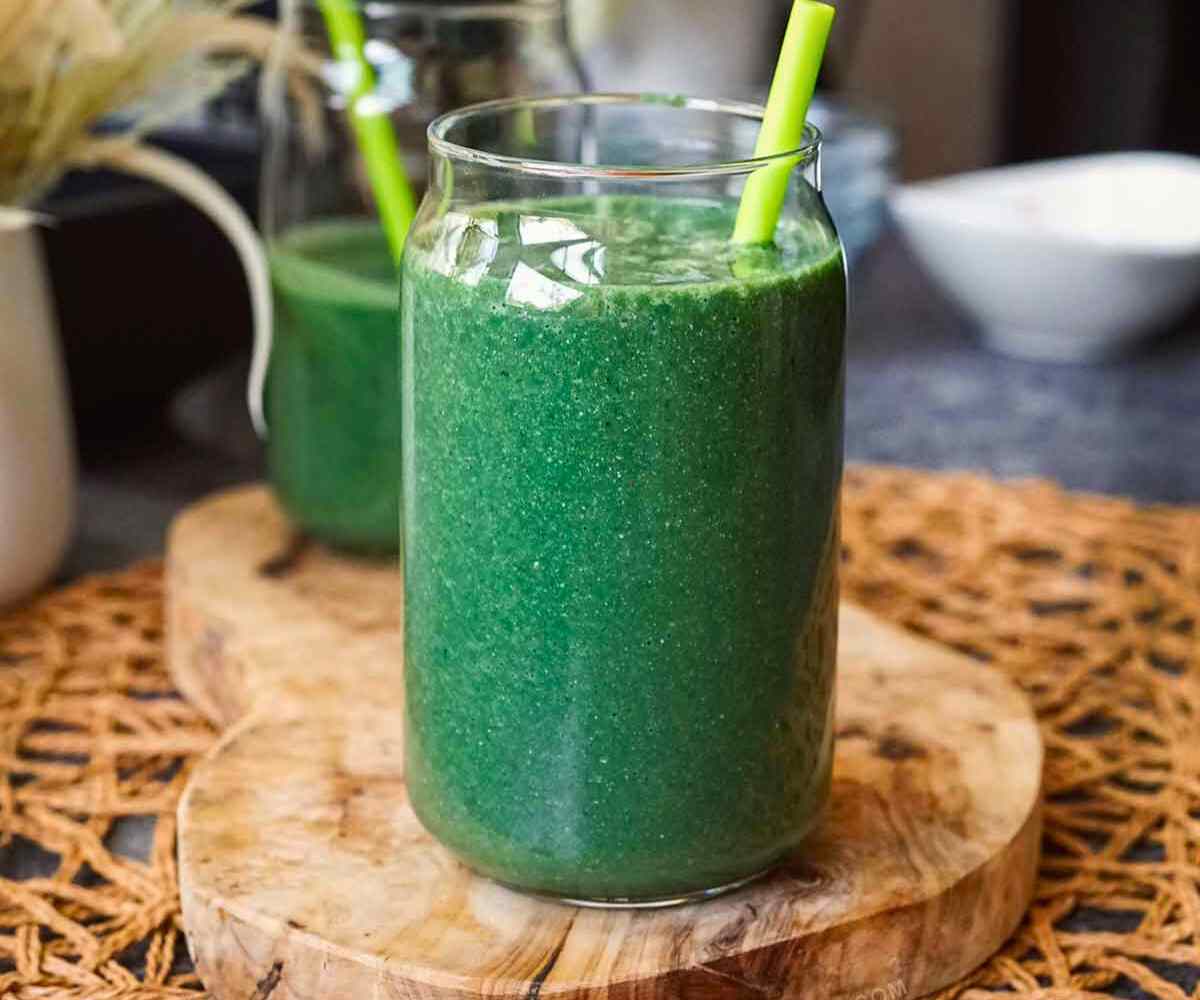
Want more dairy-free drinks? Browse these dairy-free smoothie recipes and refreshing beverages next.
Plant-Based Smoothies Without Dairy (4 Whole-Food Recipes)
Ingredients
Optional Protein + Fiber Boost for Any Of These Smoothies
- 2-3 tbsp hemp seeds - for a light protein boost
- 1 tbsp chia seeds or ground flaxseed - for extra fiber and thickness
- 1 tbsp nut butter - for fat and protein boost
- 1-2 tbsp pumpkin seeds or sunflower seeds - for a nut-free option
- ¼ avocado - for creaminess and healthy fat
- ¼ cup cooked oats - for more body and staying power
1. Green Pineapple Smoothie
- ½ cup white grapes
- 2 collard green leaves
- handful of parsley
- ½ cup pineapple
- ⅓ avocado
- 1-2 tbsp flax seeds
- ½ inch ginger
- ½ cup filtered water - or dairy free milk
2. Mango Blackberry Smoothie
- 2-3 beetroot green leaves + stems - or other greens
- ½ cup mango - cubed
- ½ cup blackberries - or other berries
- ½ banana
- 1 tsp sunflower seeds - raw
- 1 tsp pumpkin seeds - raw
- 1 tsp flax seeds - ground or whole
- 1 tbsp hemp oil - or hemp seeds
- ½ cup filtered water - or non dairy milk
3. Pineapple, Persimmon & Rhubarb Smoothie
- ½ cup pineapple - fresh, cubed
- 1-2 whole persimmons - fresh, cubed
- 1-2 tbsp flax seeds - or flax oil
- 1 rhubarb stalk - if available
- 1 tsp honey + ginger mixture - 1:1 (use maple syrup if vegan)
- ⅓ cup filtered water - or dairy free milk
4. Apple Pomegranate Smoothie
- 1 medium apple, - chopped
- 1 rhubarb stalk - if available
- ½ avocado
- 1 cup pomegranate seeds - fresh
- 1 tsp honey + ginger mixture - 1:1 (use maple syrup if vegan)
- ½ cup filtered water - or coconut water
Instructions
- Choose one smoothie variation.
- Add fruit, greens, seeds, avocado, herbs, and any optional add-ins.
- Blend until smooth and creamy.
- If the smoothie is too thick, add 1–2 tablespoons of water or dairy-free milk at a time.
- Taste and adjust. Add more fruit for sweetness, more seeds for satiety, or more liquid for a thinner texture.
- Serve right away for best flavor and texture.
Video
Notes
Nutrition
The information shown is an estimate provided by an online nutrition calculator.
More Dairy-Free Smoothies and Drinks

Frequently Asked Questions
Yes, they can be. These smoothies are made without dairy milk, regular yogurt, cream, or whey protein. Use plant milk, water, coconut water, dairy-free yogurt, or blender-made nut/seed milk instead.
Sometimes, but not always. A smoothie can work as a lighter meal when it includes protein, fiber, healthy fats, and enough calories. A fruit-only smoothie is usually better as a drink or snack, not a full meal.
They can fit into a weight-conscious routine if they are balanced and not overly sweet. For better satiety, include protein, fiber, and healthy fats instead of relying only on fruit and juice.
Add hemp seeds, chia, flax, pumpkin seeds, sunflower seeds, avocado, dairy-free yogurt, cooked oats, or seed butter.
Yes. These recipes use whole-food ingredients instead of protein powder. Hemp seeds, chia, flax, pumpkin seeds, sunflower seeds, nuts, seed butter, and dairy-free yogurt can all help add protein and texture.
For a creamy smoothie, use hemp milk, cashew milk, almond milk, oat milk, coconut milk, or dairy-free yogurt mixed with water. You can also blend water with nuts or seeds first to make a quick blender milk.
Yes. Use soy-free plant milk or water, and choose hemp seeds, chia, flax, pumpkin seeds, sunflower seeds, avocado, or coconut yogurt instead of soy-based yogurt or tofu.
©HealthyTasteOfLife. Content and photographs are copyright protected and need prior permission to use. Copying and/or pasting full recipes to other websites and any social media is strictly prohibited. Sharing and using the link of this recipe is both encouraged and appreciated!
Great tips, I always opted for some powders mixed with liquid, until recently, I started to develop allergies to some products, ..now I’ m more carefull.
Oh… yes you never know what’s really in those powders!
I love making smoothies, I was getting tired of the same recipes….these are really tasty looking!
Thanks, and happy smoothie making!
These are really healthy and nutritious smoothies…not just like others full of sugar, dairy free boxed milks and protein powders. Thanks for sharing!
Thank you for your remark, it’s very nice. Whole real food is always better!