

Healthy Gluten-Free Graham Crackers (Vegan, Dairy-Free)
Crisp homemade graham crackers made with whole-grain teff and sorghum flour, maple sugar and flax – with no wheat, eggs, dairy, honey or xanthan gum.
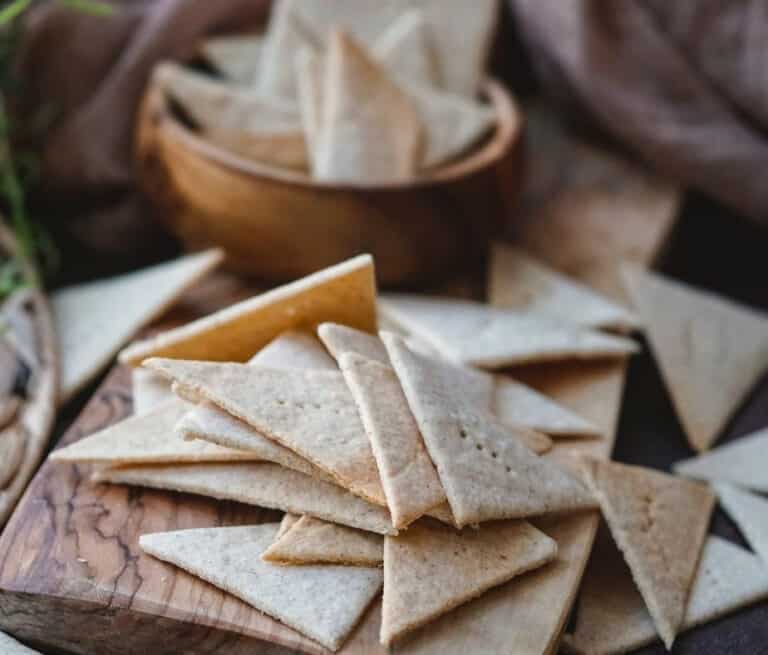
These healthy gluten-free graham crackers have the cinnamon-maple flavor and crisp snap I want from a graham cracker, but they’re made with a more wholesome flour base instead of a commercial gluten-free blend overpowered by refined starches.

When I developed this recipe, I wasn’t trying to just recreate packaged graham crackers with a long list of substitutes. I wanted something I would actually choose to make at home: whole-grain gluten-free flours, a less-refined sweetener, simple binders and enough fat to make the crackers crisp rather than dry.
They’re vegan, dairy-free and egg-free as written and work for snacking, s’mores, lunchboxes, graham cracker crusts or crushing over yogurt and dairy-free desserts.
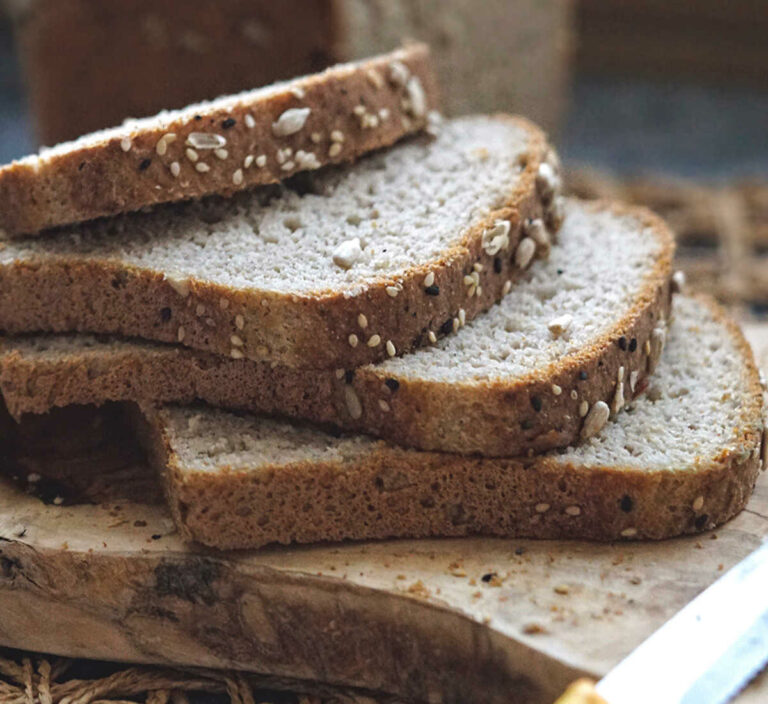
If you also like homemade savory-style crackers, these gluten-free sourdough crackers with seeds or these healthier gluten free goldfish crackers are another great snack option.
Most gluten-free graham crackers rely heavily on starches and gums. This version uses a more balanced flour combination for better texture and flavor.
If you need a homemade gluten-free graham cracker that are also soy free, egg free, dairy free, gum free, refined sugar free that actually holds together and tastes good on its own, this is it!
Why I Make These Graham Crackers with Whole-Grain Gluten-Free Flours
Many gluten-free baked goods recreate wheat-based foods by combining refined starches, gums and binders. Those ingredients can certainly produce a familiar texture, but they weren’t what I wanted for this recipe.
Instead, I built these graham crackers primarily from teff and sorghum: two naturally gluten-free whole-grain flours.
That gives the crackers:
- more whole-grain character;
- a naturally darker graham-like color;
- a nutty, slightly malty flavor;
- enough structure without xanthan gum;
- and a crisp texture without making refined starch the main ingredient.
They’re still cookies/crackers and contain a sweetener and fat, so I don’t think of them as a “health food.” But as a homemade graham cracker, the ingredient profile is much closer to what I personally want for an everyday snack.
For a larger collection of homemade options, check gluten-free and dairy-free snacks here.
Why Teff Works So Well in Gluten-Free Graham Crackers
Traditional graham crackers get much of their distinctive flavor from whole-wheat graham flour.
Graham flour itself isn’t gluten-free because it’s made from wheat, so simply replacing it with a neutral starch-heavy gluten-free flour can leave homemade crackers tasting more like a plain cinnamon cookie.
That’s where teff flour helps. Teff has a naturally nutty, earthy, slightly malty flavor that works surprisingly well in a graham-style cracker. Combined with sorghum, it gives the dough more flavor and whole-grain character without relying on wheat.
The sorghum is milder and balances the stronger flavor of the teff while helping produce a sturdy, crisp cracker.
This is also why I don’t consider the teff a casual ingredient, it is part of the flavor profile I wanted when I developed the recipe.

How to Make Gluten-Free Graham Crackers from Scratch
1. Make the flax mixture
Combine the ground flaxseed with the plant milk and let it sit briefly so the flax begins absorbing the liquid.
2. Cream the vegan butter and maple sugar
- In a mixing bowl, cream the softened vegan butter and maple sugar together until evenly combined.
- Mix in the flax mixture, vanilla and optional date syrup.
3. Add the teff and sorghum flour
- Add the sorghum flour, teff flour, cinnamon, baking soda and salt.
- Mix until the dough is evenly moistened and begins coming together.
- Use your hands to gently bring it into a smooth ball rather than continuing to aggressively mix it.

4. Chill the graham cracker dough
- Wrap the dough and refrigerate for about 30 minutes.
- Chilling makes the dough easier to roll and helps prevent the vegan butter from melting too quickly in the oven.
- The dough can also be prepared ahead and refrigerated for up to 2 days.
5. Roll the dough very thin
- Place the chilled dough between two sheets of parchment paper.
- Roll into an even rectangle about 1/8 to 1/16 inch thick.
- Thickness makes a major difference here: thicker crackers stay softer in the middle, while thin crackers become much crisper.

6. Score and dock the crackers
- Remove the top parchment.
- Use a pizza cutter or sharp knife to trim the edges if desired, then score the dough into rectangles.
- You don’t need to separate the crackers before baking.
- Prick each rectangle several times with a fork. Besides giving them the familiar graham-cracker appearance, docking helps prevent large air pockets from forming.
7. Bake until set
- Transfer the parchment with the scored dough onto a baking sheet.
- Bake at 350°F for about 13–15 minutes, depending on the thickness.
- The crackers may still feel slightly soft when they’re ready to come out. They continue firming as they cool.
- While they’re still warm, run the pizza cutter through the scored lines again if necessary. Once completely crisp, they can break unevenly if you try to cut them.

The Secret to Crisp Gluten-Free Graham Crackers That Snap
For this recipe, rolling thickness and moisture control matter more than just baking longer.
These are the details that give me the best texture:
➤ Roll evenly and thin. Aim for about 1/8 inch or slightly thinner.
➤ Keep the dough cool. If your kitchen is warm and the rolled dough becomes very soft, refrigerate the baking sheet for 10–15 minutes before putting it in the oven.
➤ Don’t judge them while they’re hot. The crackers become substantially firmer as they cool.
➤ Dry them gently for extra crispness. When the baking time is finished, turn off the oven and open the door wide for about 5 minutes. Then close the oven door and leave the crackers inside for another 15–20 minutes as the oven cools. That gradual drying removes more moisture without aggressively browning the crackers.
➤ Cool completely before storing. Warm crackers sealed in a container can trap moisture and soften.
➤ If they soften later: Return them to a low oven for a few minutes to restore the crisp texture.

Tested Gluten-Free Graham Cracker Substitutions
Sorghum flour
- I’ve successfully replaced the sorghum flour with certified gluten-free oat flour.
- A reader has also reported making the oat-flour variation successfully.
Teff flour
- I prefer keeping the teff because its flavor is one of the things that makes these crackers distinctive.
- If you remove it, you may still make a cracker, but it won’t have quite the same deeper graham-style flavor.
Vegan butter
- I prefer vegan butter for the crispest, most familiar result.
- Coconut cream can also be used if you don’t want to use vegan butter, although the texture will differ somewhat.
Maple sugar
- Maple sugar is part of both the sweetness and texture here.
- I wouldn’t replace it with a liquid sweetener without reformulating the moisture in the dough.
Date syrup
- This is optional.
- I use just a little because it adds deeper caramel/molasses notes without making the crackers strongly flavored.
Are These Graham Crackers Healthy?
I call these healthy graham crackers in the context of what I wanted from a homemade alternative.
They’re made with:
- whole-grain teff and sorghum flour rather than a commercial starch-heavy gluten-free blend;
- ground flaxseed instead of egg or additional gums;
- maple sugar rather than white refined sugar;
- no wheat;
- no dairy;
- no eggs;
- no honey;
- no xanthan gum;
- and no artificial flavors or preservatives added at home.
That doesn’t mean the crackers are unlimited food or somehow nutritionally equivalent to vegetables, they’re still a sweet snack.
The advantage of making them yourself is ingredient control. You choose the flour, sweetener, plant milk and vegan butter you want to use and can make the recipe around your own dietary needs.
That’s exactly why I started making recipes like this instead of continually looking for a packaged substitute.
Vegan, Dairy-Free and Egg-Free Graham Crackers
The recipe is already vegan, dairy-free and egg-free as written.
Traditional graham cracker recipes may contain butter, milk, eggs or honey depending on the recipe or brand.
Here:
- vegan butter replaces dairy butter;
- flax provides binding instead of egg;
- maple sugar provides sweetness;
- date syrup can supply the deeper syrup flavor without honey.
That makes these useful when you need a homemade graham cracker that works across several dietary restrictions at once.
Ways to Use Homemade Gluten-Free Graham Crackers
These aren’t just snack crackers.
Use them for:
- s’mores;
- graham cracker pie or cheesecake crust;
- dipping into nut or seed butter;
- lunchbox snacks;
- crushing over dairy-free yogurt;
- layered desserts;
- ice cream toppings;
- snack boards;
- or simply eating with tea or coffee.
Because they’re sturdy once fully cooled, they also crush well when you need graham cracker crumbs.
For more homemade snack options, see 50 gluten-free dairy-free snack ideas here.

How to Store Gluten-Free Graham Crackers and Keep Them Crisp
- Let the crackers cool completely before placing them in an airtight container.
- Room temperature. Store for about 7–9 days in a tightly sealed container. If they lose some crispness, return them to a low oven briefly and cool completely again.
- Make the dough ahead. Prepare and wrap the dough up to 1–2 days in advance and refrigerate.
- Let very cold dough sit at room temperature for about 5 minutes before rolling if it feels too firm.
- Freezing. You can freeze the baked crackers for up to 3 months, but I prefer freezing the raw dough and baking fresh crackers when needed. Thaw frozen dough slowly in the refrigerator overnight before rolling and baking.
Gluten-Free Graham Cracker FAQs
I haven’t developed this exact recipe around a commercial 1:1 blend, so I don’t recommend replacing the teff and sorghum one-for-one and expecting the same result. Different blends contain very different amounts of starch and gums, which can change how much liquid and fat the dough needs.
Yes. I’ve tested gluten-free oat flour in place of the sorghum flour successfully.
I would still keep the teff for the deeper graham-style flavor.
The most common reason is that the dough was rolled too thick or still contains too much moisture.
Roll to about 1/8 inch or thinner, let the crackers cool fully, and use the turned-off-oven drying method for an extra crisp result.
Yes. Cool the crackers completely, then pulse them in a food processor or crush them finely.
They’re suitable for graham-style pie and cheesecake crusts.
Not necessarily. Some recipes and brands use honey, dairy or other animal-derived ingredients.
These homemade crackers use no honey, eggs or dairy.
Yes. This recipe doesn’t use xanthan gum.
Ground flaxseed helps bind the dough while the teff and sorghum provide the flour structure.
⭐ Tried These Graham Crackers?
If you make them, leave a comment below and a star ★★★★★ rating in the recipe card. I’d especially love to know whether you used sorghum or oat flour and what you used the crackers for – snacking, s’mores or a graham cracker crust.

Healthy Gluten-Free Graham Crackers Recipe
Ingredients
- 1 cup sorghum flour - or oat flour (see notes below)
- ½ cup teff flour
- 6 tbsp vegan butter - softened, or coconut cream
- 1 tbsp flax seeds - ground
- 3 tbsp plant milk
- ⅓ tsp sea salt
- ⅓ cup maple sugar - or brown sugar
- 1 tsp cinnamon - ground
- ¾ tsp baking soda
- 1 tsp vanilla extract
- 1½ tsp date syrup - or molasses
Instructions
Make The Dough
- Combine the ground flaxseed and plant milk and let stand briefly to begin thickening.
- Cream the softened vegan butter and maple sugar together in a mixing bowl.
- Add the flax mixture, optional date syrup and vanilla. Mix until evenly incorporated.

- Add the sorghum flour, teff flour, cinnamon, baking soda and salt.
- Mix until a cohesive dough forms, then gently bring it together with your hands.

Chill
- Wrap the dough and refrigerate for about 30 minutes.
Roll and Cut
- Remove the chilled dough from the refrigerator. Unwrap the dough and roll it out between two parchment papers, into a rectangle, about 1/8 to 1/16 inch thick.

Cut The Crackers
- Preheat the oven to 350°F / 175°C.Roll the chilled dough between two sheets of parchment paper to approximately 1/8 to 1/16 inch thick.
- Remove the upper sheet of parchment and score the dough into rectangles with a knife or pizza cutter. Prick each rectangle several times with a fork.
- Keep the crackers on the bottom sheet of parchment and transfer it to a baking sheet.

Bake The Crackers
- Bake the graham crackers for 13-15 minutes (depending on thickness).Once out of the oven, while still warm, deepen the scored lines with the pizza cutter if needed.
- Allow the crackers to cool completely before separating.
For extra-crisp graham crackers
- After baking, turn off the oven and open the door for about 5 minutes.Close the oven door and leave the crackers inside for another 15–20 minutes as the oven cools.
- Remove and cool completely before storing.
Video
Notes
Nutrition
The information shown is an estimate provided by an online nutrition calculator.
More Healthy Gluten-Free Crackers & Homemade Snacks


©HealthyTasteOfLife. Content and photographs are copyright protected and need prior permission to use. Copying and/or pasting full recipes to other websites and any social media is strictly prohibited. Sharing and using the link of this recipe is both encouraged and appreciated!


I loved the crackers they turned out very crunchy! I also replaced sorghum with oat flour, and they taste good!
Awesome, I’m glad they turned out well! Enjoy!