

Vegan Gluten-Free Sourdough Banana Bread (No Added Sugar)
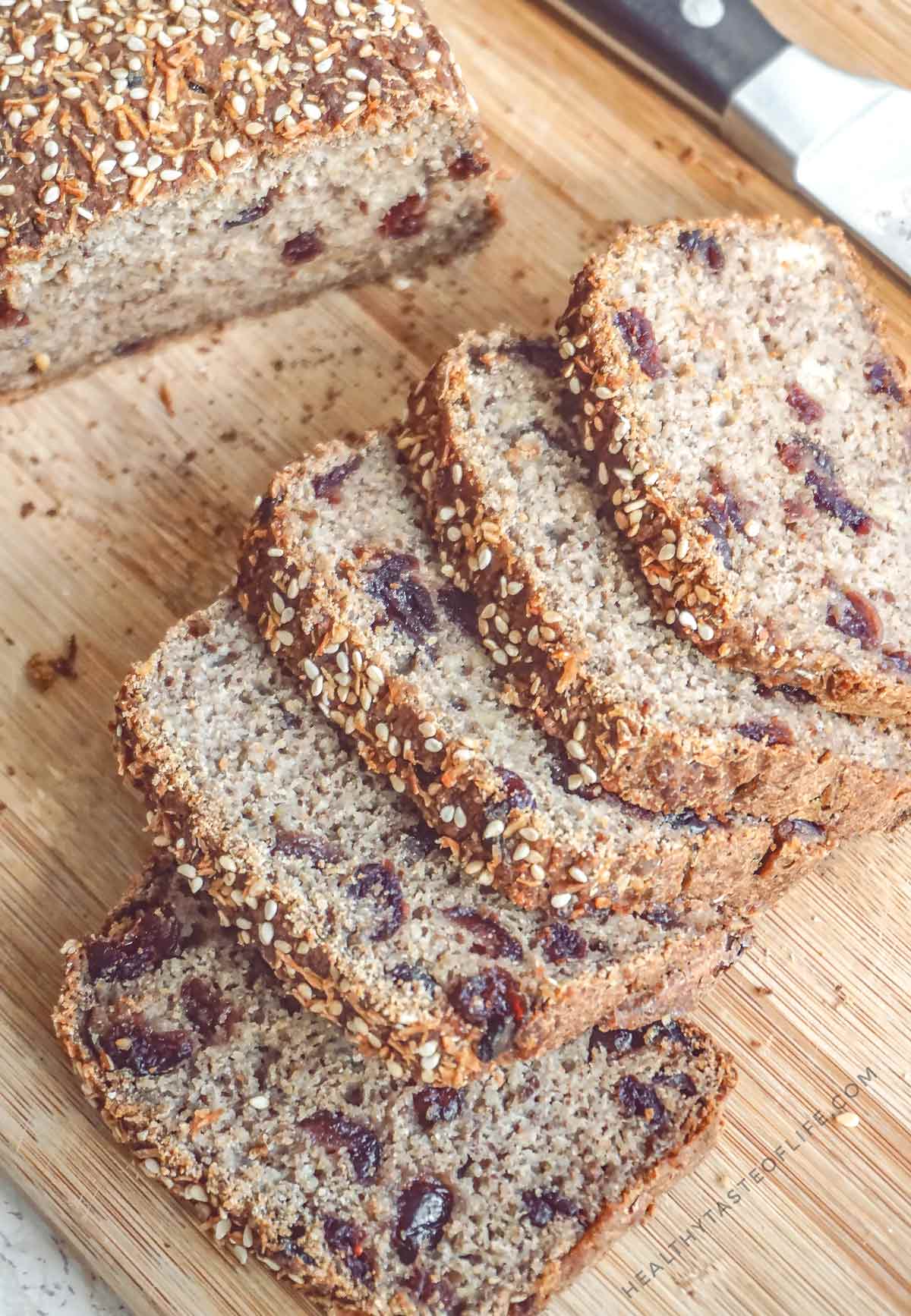
This vegan gluten-free sourdough banana bread is naturally sweetened with ripe bananas and dried fruit and made without eggs, dairy, butter, oil, psyllium or gums.
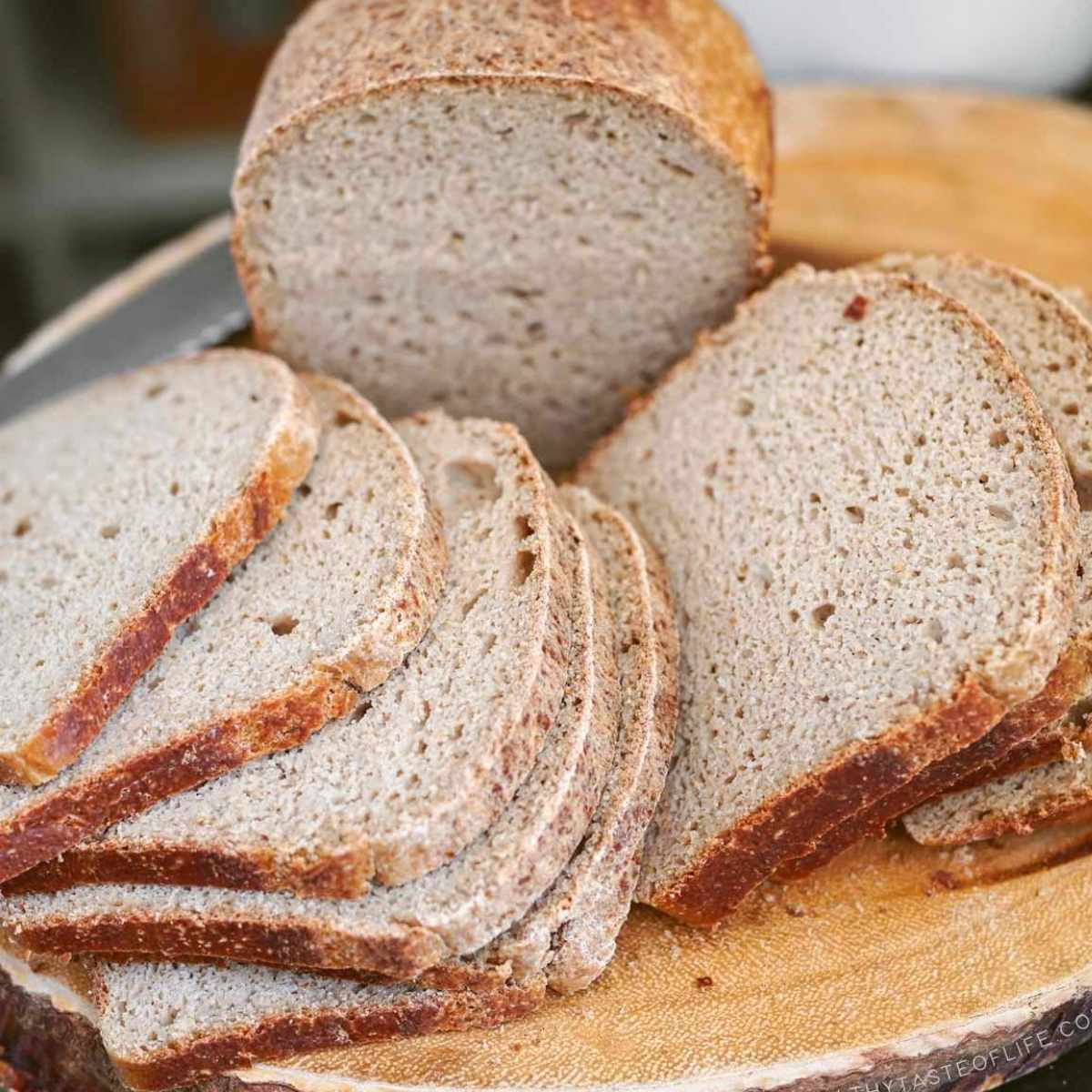
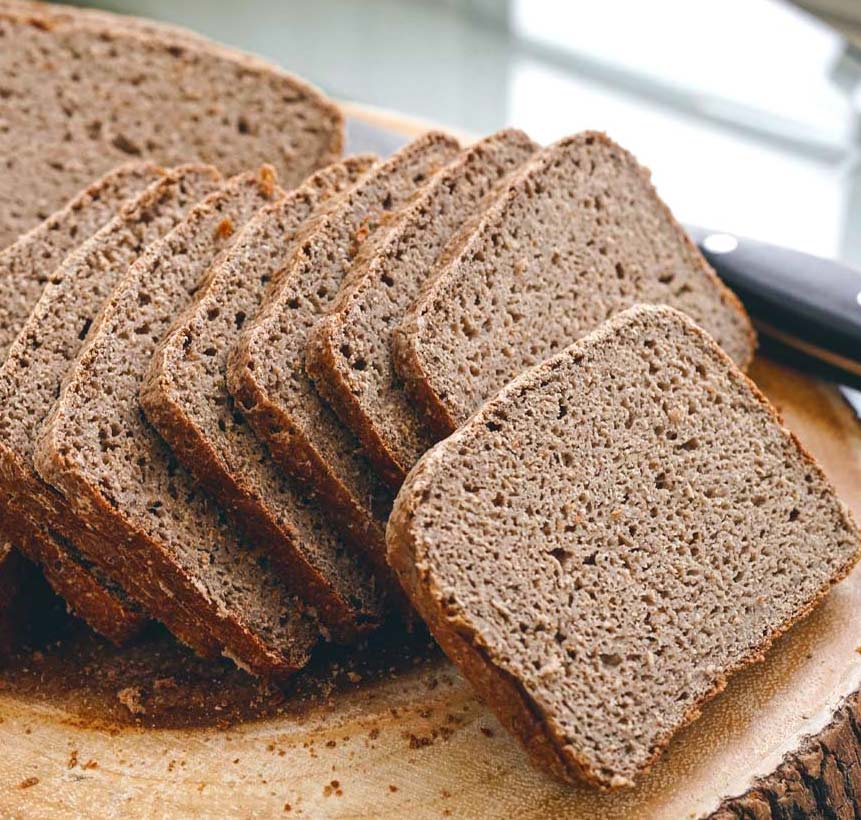
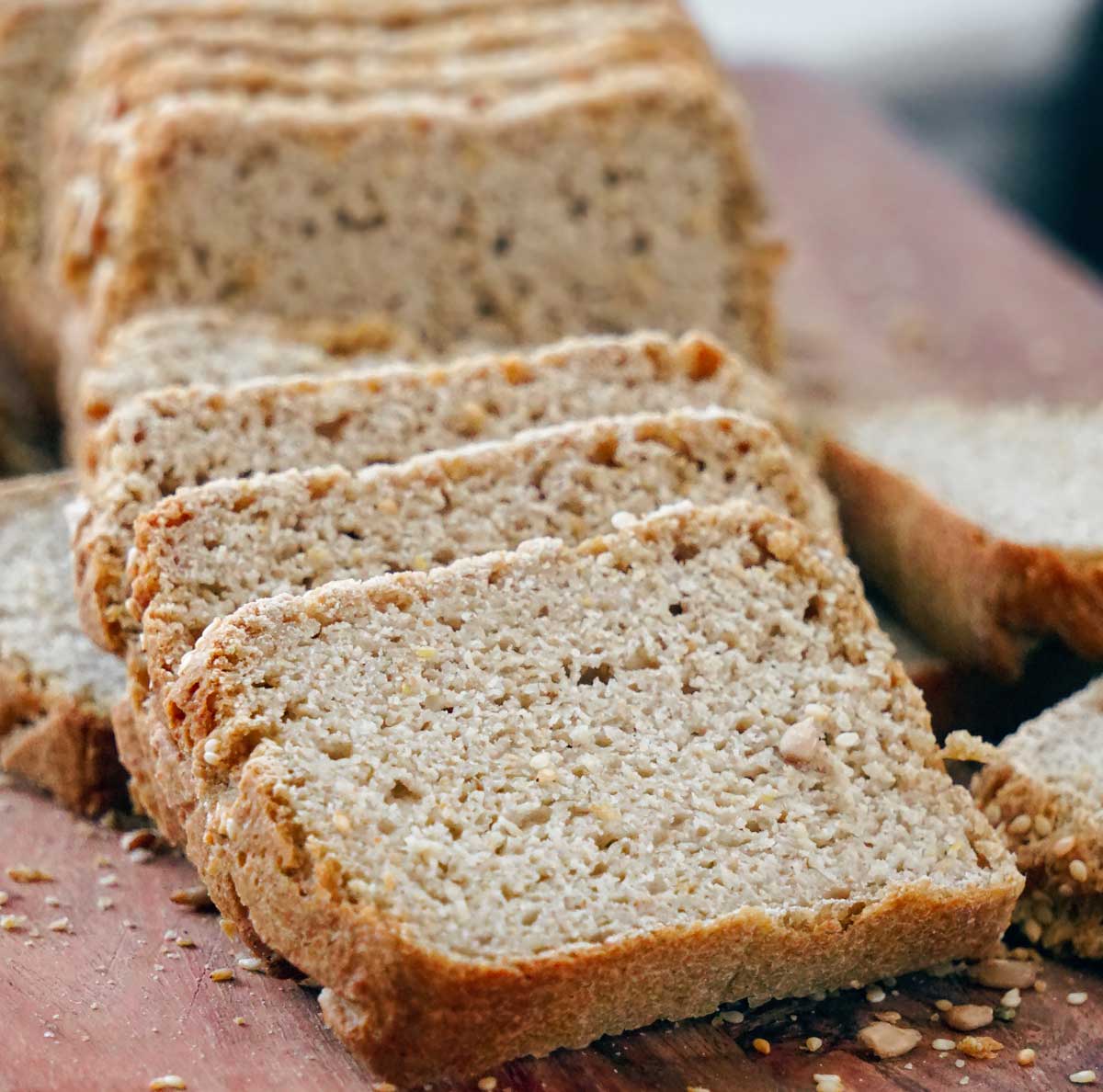
Instead of an all-purpose gluten-free flour blend, it uses a simple combination of oat flour, tigernut flour, cassava flour and ground flax. The result is a moist, hearty banana bread with a slightly more rustic crumb and flavor than a traditional bakery-style loaf.
You can make it with an active gluten-free sourdough starter or discard. The starter adds flavor and works together with flax and the individual flours to give this egg-free loaf enough structure to slice without relying on xanthan gum or psyllium.

Looking for a more classic banana bread? My new gluten-free sourdough banana bread uses my gluten-free flour blend along with dairy free yogurt, a little butter and walnuts for a softer, more traditional banana-bread taste and texture. This recipe is the more rustic and with less fat.
What Makes This Banana Bread Different
This isn’t simply a vegan version of a traditional banana bread. The entire flour and binder combination is different. It’s made with:
- No added sugar – ripe bananas and unsweetened dried fruit provide the sweetness.
- No eggs – ground flax helps bind the batter.
- No butter or added oil – moisture comes primarily from bananas, plant milk and the starter.
- No dairy or yogurt – use any plain dairy-free plant milk.
- No psyllium husk – flax provides the additional binding needed here.
- No xanthan or other gums – the recipe was developed without them.
- No standard gluten-free flour blend – oat or buckwheat, tigernut and cassava flours are combined individually.
- Gluten-free sourdough starter – active starter or discard can be used for the regular quick-bread method. See my gluten-free sourdough starter guide if needed.
When made with tigernut flour rather than almond flour, the recipe can also be made nut-free.
Why This Recipe Uses Individual Gluten-Free Flours
I intentionally use individual flours in this particular banana bread rather than my usual gluten-free flour blend. The oat or buckwheat flour, tigernut flour, cassava and ground flax create a more hearty, whole-food style loaf with less starch. Because the recipe also contains no eggs, butter, oil, yogurt, gums or psyllium, its crumb is naturally different from a conventional banana bread.
It’s moist and sliceable, but expect a slightly more substantial texture rather than a very light, cake-like crumb. If that’s not the texture you’re after, make my classic-style gluten-free sourdough banana bread instead. That recipe uses my gluten-free flour blend, dairy-free yogurt and a little butter for a richer, softer and familiar banana-bread mouthfeel.
Ingredients I used For This Banana Bread
- Sourdough starter (gluten free) – provides structure + flavor
- Bananas (very ripe) – give natural sweetness + moisture
- Dried fruit – add sweetnes, bulk, flavor and more fibre, no need to add extra sweeteners
- Oat / buckwheat flour – for base soft structure
- Tigernut (or almond flour) – for softness + structure and fat balance
- Cassava flour – light binding and starchy (small amount only)
- Flax seeds (ground) – egg replacement +extra fibre
- Plant milk – for hydration
- Baking soda + vinegar – provides rise
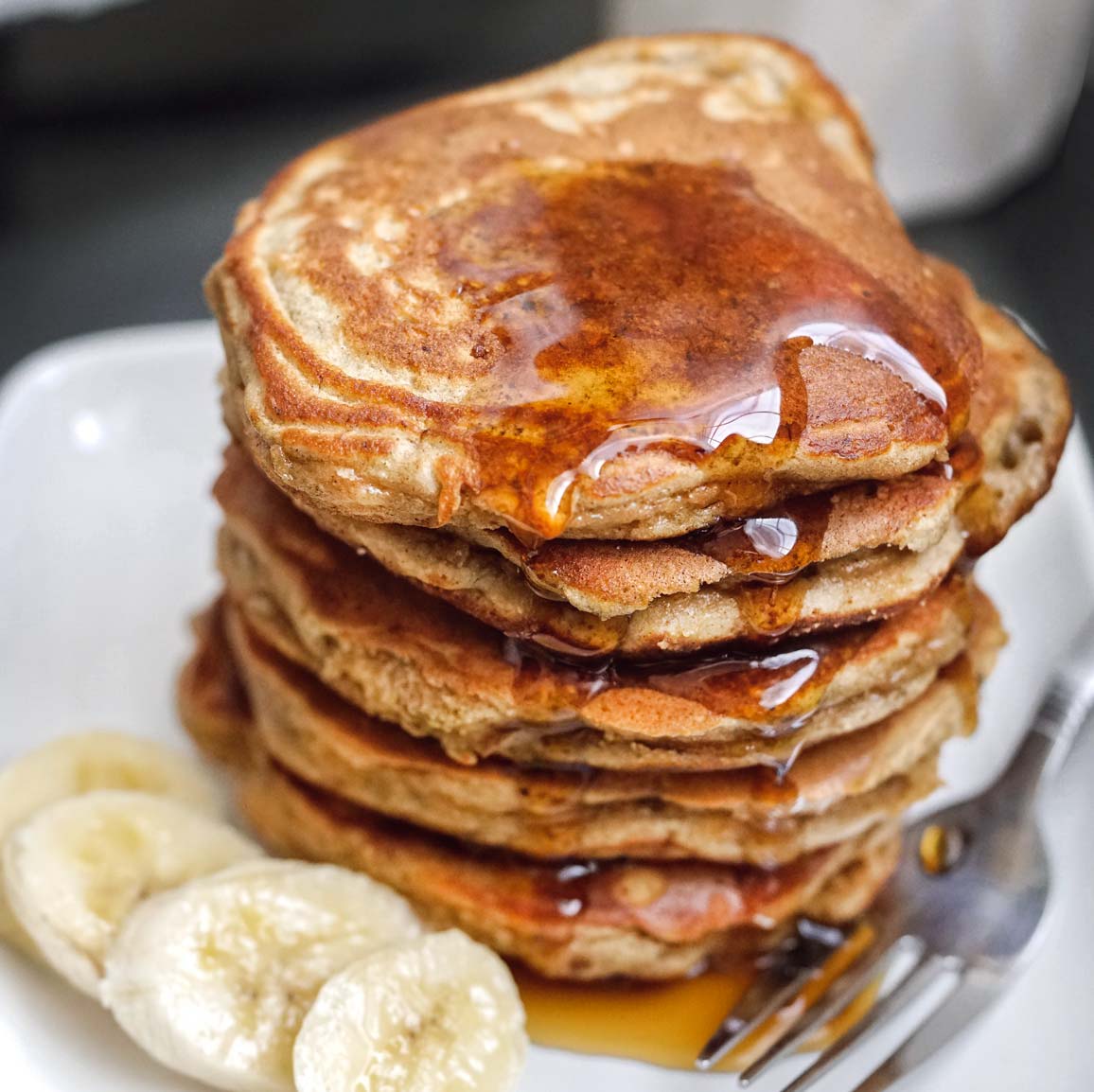
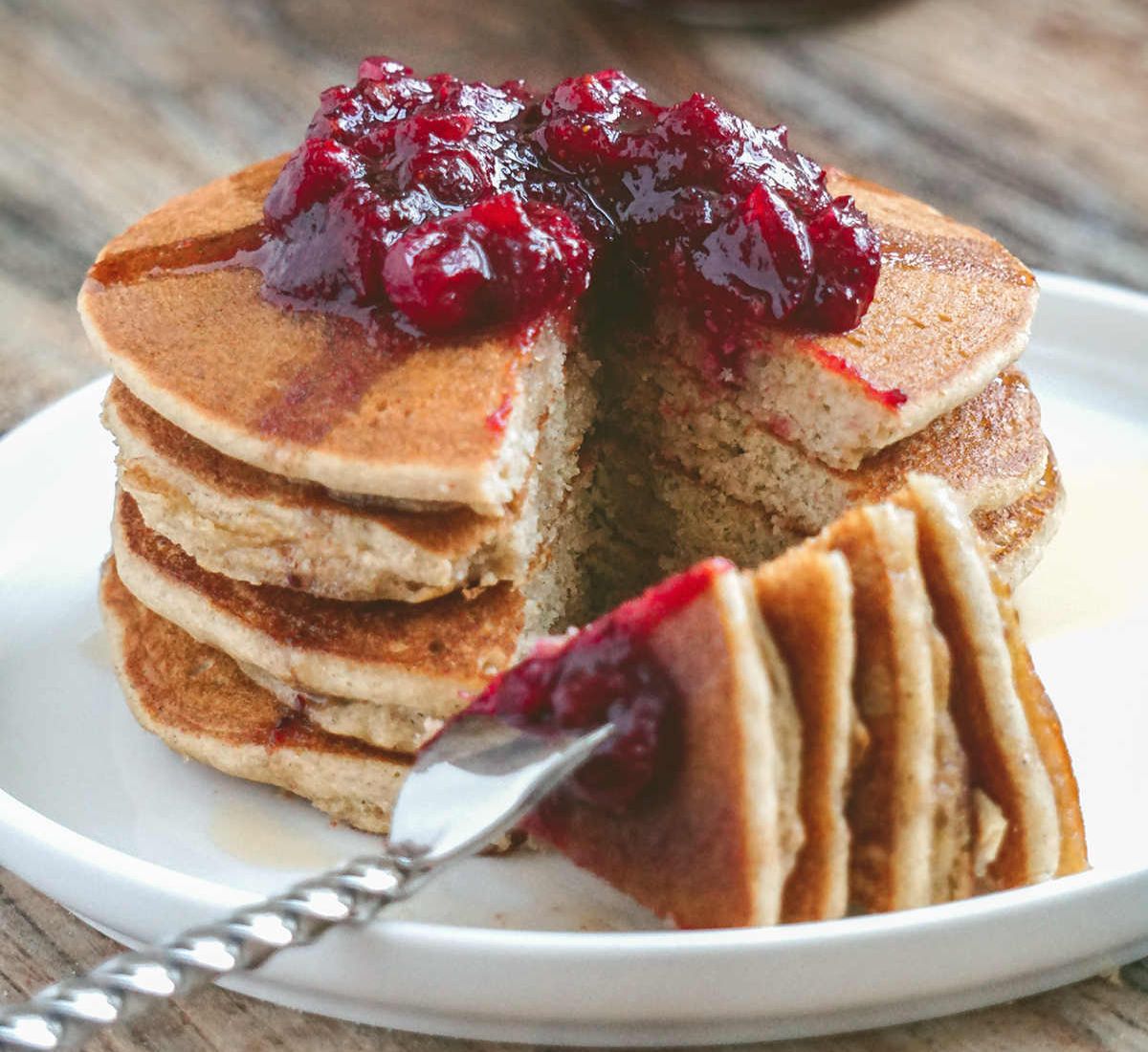
Have more ripe bananas to use? These gluten-free banana pancakes are another quick option.

Health Tip
👉 If your digestion is sensitive, some people find that freshly milled, sprouted, or fermented grains feel easier to tolerate. Everyone is different, so adjust based on your own needs.
How to Make Vegan Gluten-Free Sourdough Banana Bread
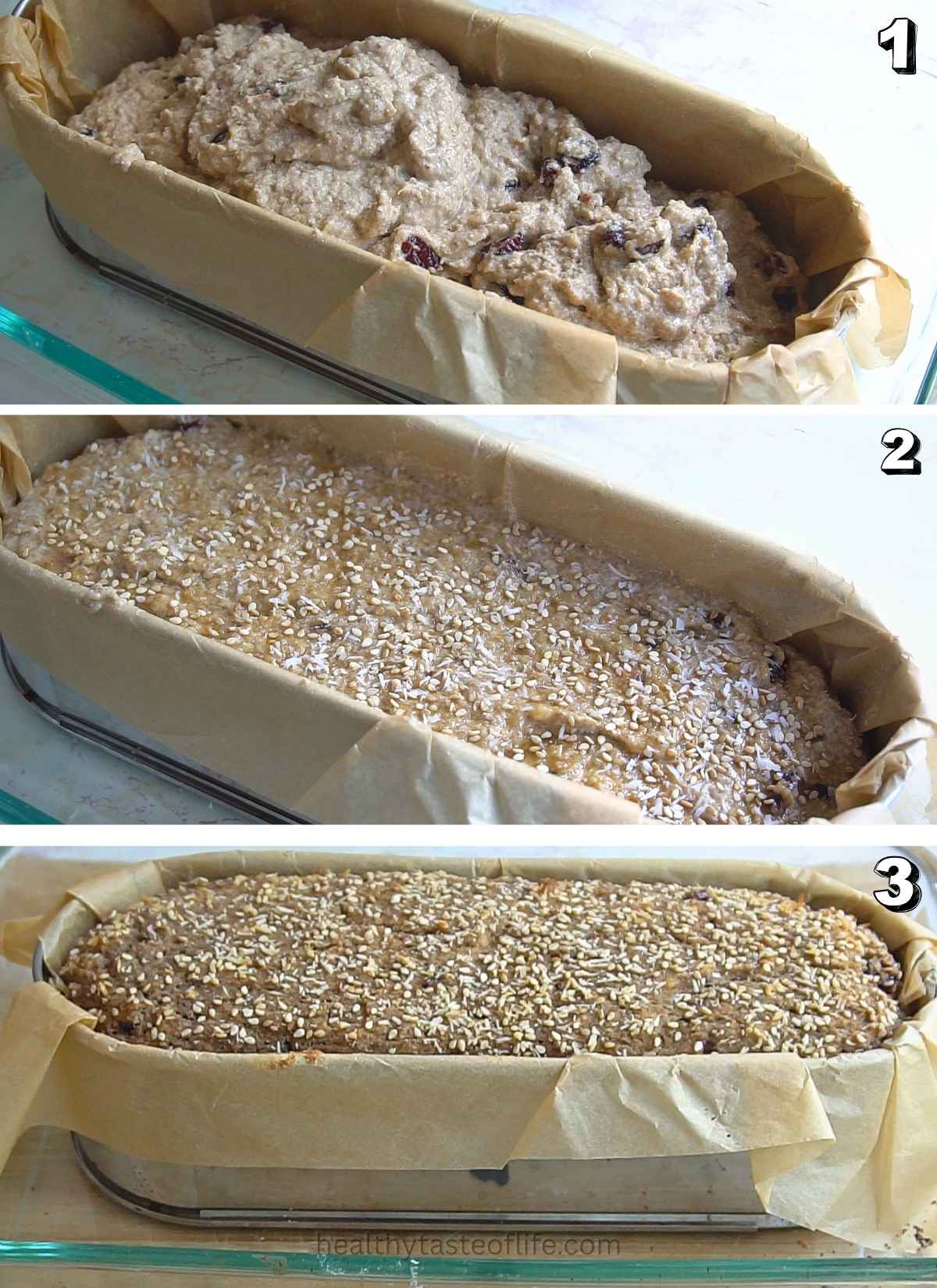
- Prepare the Pan. Preheat the oven to 400°F and line a loaf pan with parchment paper.
- Mash bananas and mix with milk + vanilla + dried fruit
- Combine dry ingredients separately and add to wet ingredients
- Mix gently (don’t overmix)
- Add baking soda + vinegar last
- Pour into pan
- Bake until fully set
Optional Naturally Fermented Method
The regular recipe works well with active starter or discard because it gets additional lift from baking soda and vinegar.
For a naturally fermented version, use an active gluten-free sourdough starter.
Mix the batter but leave out the baking soda and vinegar. Transfer it to the loaf pan, cover and leave it at room temperature for approximately 4–6 hours, or until you see some aeration and a noticeable rise.
Gluten-free sourdough batter doesn’t necessarily double like wheat dough, so look for visible activity rather than waiting for a dramatic rise. Then bake as directed.
Tips for the Best Texture
- Use Very Ripe Bananas: The riper the bananas, the sweeter and more moist the loaf will be. This matters even more in a banana bread with no added sugar or oil.
- Grind the Flax Finely: Coarsely ground flax doesn’t bind the batter as evenly. A fine flax meal gives better cohesion.
- Watch the Batter Consistency: Different brands of oat, buckwheat, tigernut and cassava flour can absorb liquid differently. The batter should be thick but still moist and spreadable, not dry enough to knead and not thin enough to pour like pancake batter.
- Don’t Overmix: Mix only until the ingredients are evenly incorporated.
- Protect the Top During the Long Bake: This bread needs enough time for its moist center to cook through. Covering the top during the beginning of baking allows the middle to continue baking without the crust becoming too dark.
- Cool Before Slicing: This is particularly important here. The crumb continues to set as the loaf cools.
What Does This Banana Bread Taste Like?
This version tastes naturally sweet rather than dessert-sweet. Banana, cinnamon and dried fruit are the dominant flavors, while sourdough adds a subtle fermented note. Tigernut flour adds some natural sweetness of its own; buckwheat will make the loaf taste more earthy than oat flour.
The texture is moist and sliceable but more substantial than a classic banana bread made with eggs, butter and an all-purpose flour blend. That’s intentional.
For a softer, more traditional banana-bread crumb, see my new gluten-free sourdough banana bread instead.
Tips To Store
- Once completely cool, keep the banana bread covered at room temperature for about 2–3 days or refrigerate it for longer storage.
- For the best long-term texture, I prefer freezing it in individual slices.
- Place the cooled slices in a freezer-safe container or bag and freeze for up to 2 months.
- You can thaw slices in the refrigerator or place an individual frozen slice directly into the toaster when you want a quick breakfast.
For more ways to build a gluten-free dairy-free breakfast around baked goods like this, see my gluten-free dairy-free breakfast ideas.
Watch Video: Vegan Gluten Free Sourdough Banana Bread (No Added Sugar, No Gums or Oil)
The video shows the batter consistency, loaf-pan setup and how I remove the pan during the later part of baking to help the sides cook evenly.

I make this kind of recipe often because it fits a very specific need: simple ingredients, easier digestion, and something you can actually keep making without relying on processed gluten free mixes.
It’s not about making it perfect, just something that works consistently, tastes awesome and feels good to eat.
Tried This Recipe? I’d love to hear how it turned out! Tap ⭐⭐⭐⭐⭐ to rate it or leave a quick comment below! your feedback helps other readers (and keeps me creating new treats).
Vegan Gluten-Free Sourdough Banana Bread
Ingredients
- 1 cup gluten free sourdough starter - activated or discard
- ½ cup oat flour - or buckwheat four
- ½ cup tigernut flour - or almond flour
- ¼ cassava flour
- ⅓ cup flax seeds - ground
- 1 cup plant milk - dairy free
- 3 ripe bananas - mashed
- 1 tsp vanilla extract
- 1 cup dried cranberries - or other dried fruit
- 1 tsp cinnamon
- ⅓ tsp sea salt
- ¾ tsp baking soda
- ¾ tsp apple cider vinegar - or lemon juice
Optional Toppings
- 1 tsp sesame seeds - or other
- 1 tsp shredded coconut - or other
Instructions
- Preheat oven to 400 degrees F. Cover a 10 x 4-inch loaf pan with parchment paper; I used an extendable tin. Set aside.
- In a bowl, combine the bananas with plant milk, vanilla extract and cranberries. Set aside.
- Meanwhile in another bowl, combine the starter, the flours, cinnamon, flax seeds and salt.
- Whisk together the banana mixture with the dry ingredients. Gently stir until evenly combined.
- Add the baking soda and apple cider vinegar (or lemon juice) last. Mix gently just until incorporated.
- Transfer to the pan. Spoon the batter into the prepared loaf pan and smooth the top. Add cinnamon, seeds or unsweetened coconut if desired.
- Let the batter rest for about 15–20 minutes to allow the flax and gluten-free flours to hydrate.
- Bake. Cover loosely with foil and bake for the first 30 minutes. Remove the foil and reduce the temperature to 370°F. Continue baking until cooked through, about 70 minutes total. If desired, carefully remove the loaf from the tin (see video) toward the end of baking so the sides can bake more evenly.
- Check for doneness. A toothpick inserted into the center should come out clean and the center should feel set.
- Cool completely. Allow the bread to cool before removing it from the pan, then transfer to a wire rack and cool completely before slicing.
- I keep it frozen (pre-sliced) and whenever I need I just throw a few slices in the toaster, the smell is extraordinary and it tastes like it was just baked.
- For extra details, see video.
Naturally Fermented Option
- Use an active gluten-free sourdough starter and omit the baking soda and vinegar.Mix the remaining ingredients, transfer the batter to the loaf pan, cover and allow it to ferment for approximately 4–6 hours, or until you see visible aeration and some rise.Bake according to the instructions above.
Notes
Nutrition
The information shown is an estimate provided by an online nutrition calculator.
FAQs
Yes. Both active starter and discard work. When using the discard you need another rising agent so I’m using the baking soda and the vinegar. For the longer naturally fermented method without baking soda, use an active starter rather than inactive discard.
Usually from: too much flour, not enough leavening or overmixing.
Not recommended. They replace eggs and help bind.
Yes, but you need a longer fermentation (4–6 hours). Or use baking powder instead.
Yes. The bread will be less sweet, so use very ripe bananas or add a small amount of maple sugar, coconut sugar, or chopped dates if needed.
Yes. Almond flour works well and adds softness. Tigernut flour keeps it nut-free and slightly naturally sweet.
I wouldn’t recommend doing a direct substitution in this recipe. The oat/buckwheat, tigernut, cassava and flax combination was developed specifically for this egg-free, oil-free loaf and behaves differently from a premixed gluten-free blend. If you want a banana bread designed around an all-purpose-style gluten-free flour blend, make my classic gluten-free sourdough banana bread instead, which is more tender and cake-like.
A gummy middle usually means the loaf needed more baking time, the batter contained too much moisture, or it was sliced before it had fully cooled. Because bananas, sourdough starter and plant milk all add moisture, allow the center to bake completely and cool the loaf before cutting.
Also keep in mind that changing the flours can substantially change how much liquid the batter absorbs.
This recipe is shared for general informational purposes and is not intended to diagnose or treat any condition. Always adjust ingredients based on your individual needs.
©HealthyTasteOfLife. Content and photographs are copyright protected and need prior permission to use. Copying and/or pasting full recipes to other websites and any social media is strictly prohibited. Sharing and using the link of this recipe is both encouraged and appreciated!

Not sure what I’m doing wrong but it’s not cooking into the middle.
Any ideas?
It could be several scenarios : 1. The mixture was too wet before baking. 2. You used different ingredients. 3. It wasn’t baked long enough. Did you follow the instructions by covering the loaf with a piece of aluminum foil for the first 30 minutes of baking? And then I usually remove the foil and the tin and bake it uncovered for another 40 min.
Would banana flour or coconut flour work as a substitute for cassava or sorghum? I also have brown rice, white rice, quinoa, and almond flours.
Yes, I think you can use rice flour (brown or white) instead of cassava. You can also use banana flour, just make sure the dough doesn’t get too dry, this flour usually absorbs a lot of liquid.
The video doesn’t follow the written instructions >. Like the addition of apple cider vinegar? Baking instructions are different as well please advise
Also timing of adding baking soda
Hi Sheryl, if you watch the video carefully, at 1 min and 30 seconds in the video you’ll see the addition of of both baking soda and apple cider vinegar. If you have any other questions, please let me know.
This gluten free banana bread looks so good, I can’t believe its also sourdough based, it must be so delicious! Thank you for sharing this is on my to do list fo sure!
Thank you! Let me know how it turns out for you when you make it!
Looks yummy, I wish I had time to bake ?
Thanks! It would be great if you could try it sometime 🙂