

Gluten-Free All-Purpose Flour Blend (No Gums, No Rice Flour)
Store-bought gluten-free all-purpose flour blends often rely on xanthan gum, rice flour, and lots of refined starches like potato starch or tapioca. If your goal is a cleaner blend, with more nutrients, still practical for everyday baking – this is a simple homemade mix you can make from scratch with whole-grain flours and a small binder option (no gums required).
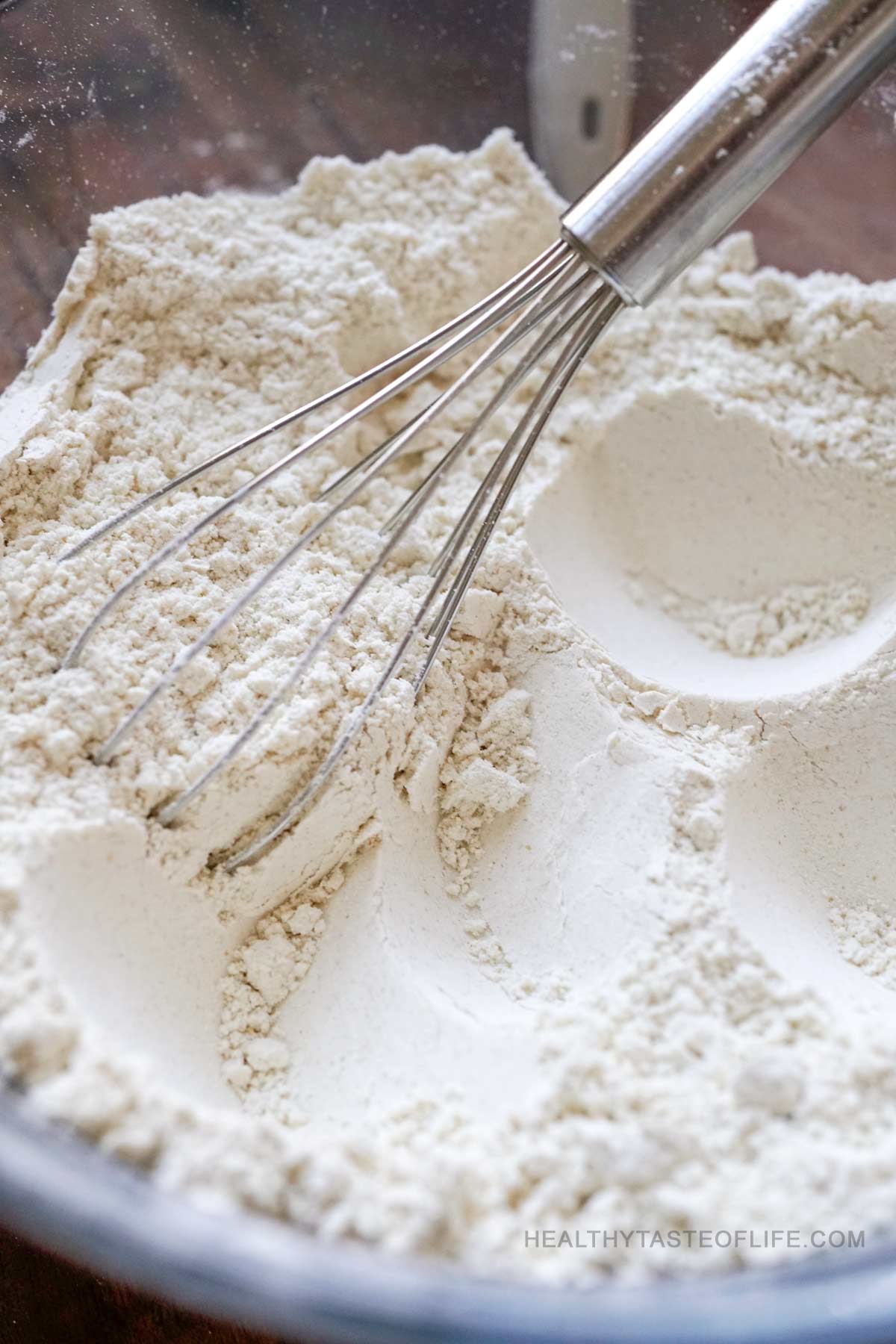
Many gluten-free all-purpose flour blends rely on rice flour and a lot of refined starches to mimic wheat, but not everyone feels great on that combo. For some people, it can be harder to digest and act more like “fast carbs,” leading to a quick blood-sugar spike and an energy crash.
That’s why I created this blend, which uses more nutrient-dense flours like sorghum, millet, and gluten free oats with just a small amount of arrowroot: it’s less processed, brings more fiber and minerals, and tends to be gentler on digestion, while still baking well and offering more for your gut microbes than a mostly-starch mix.
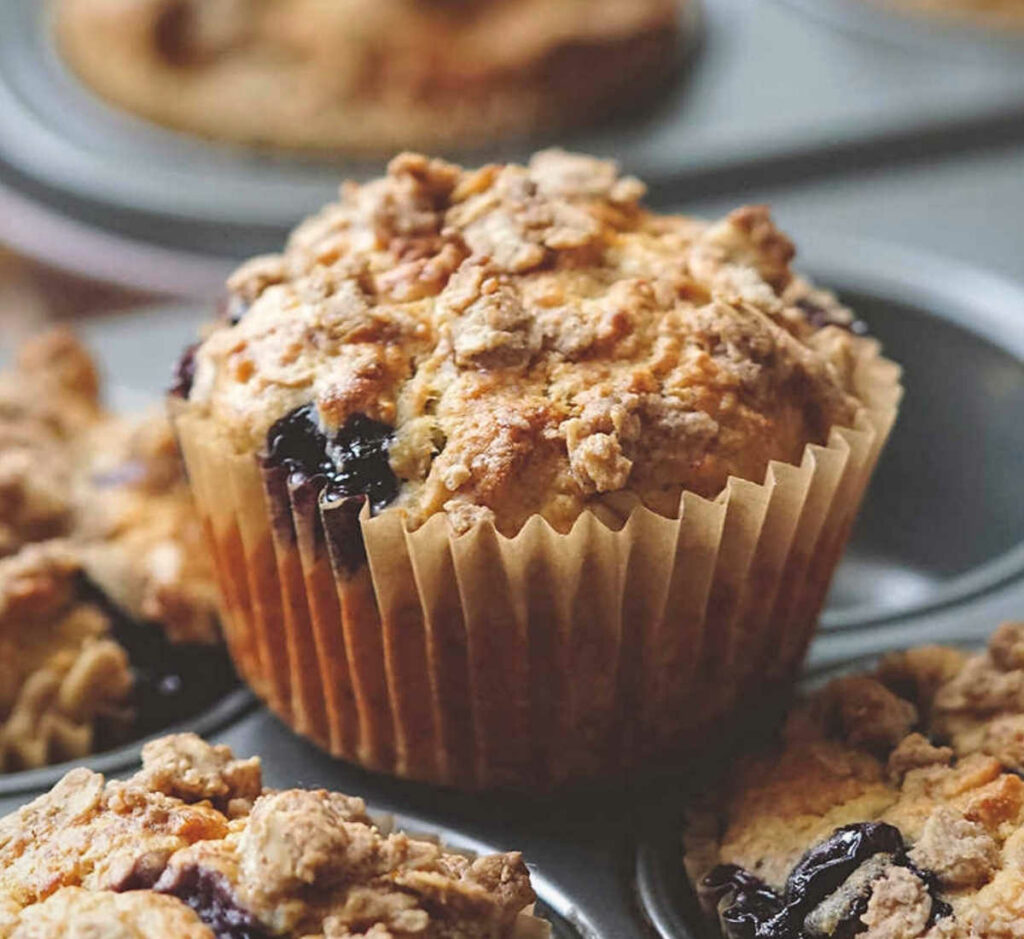
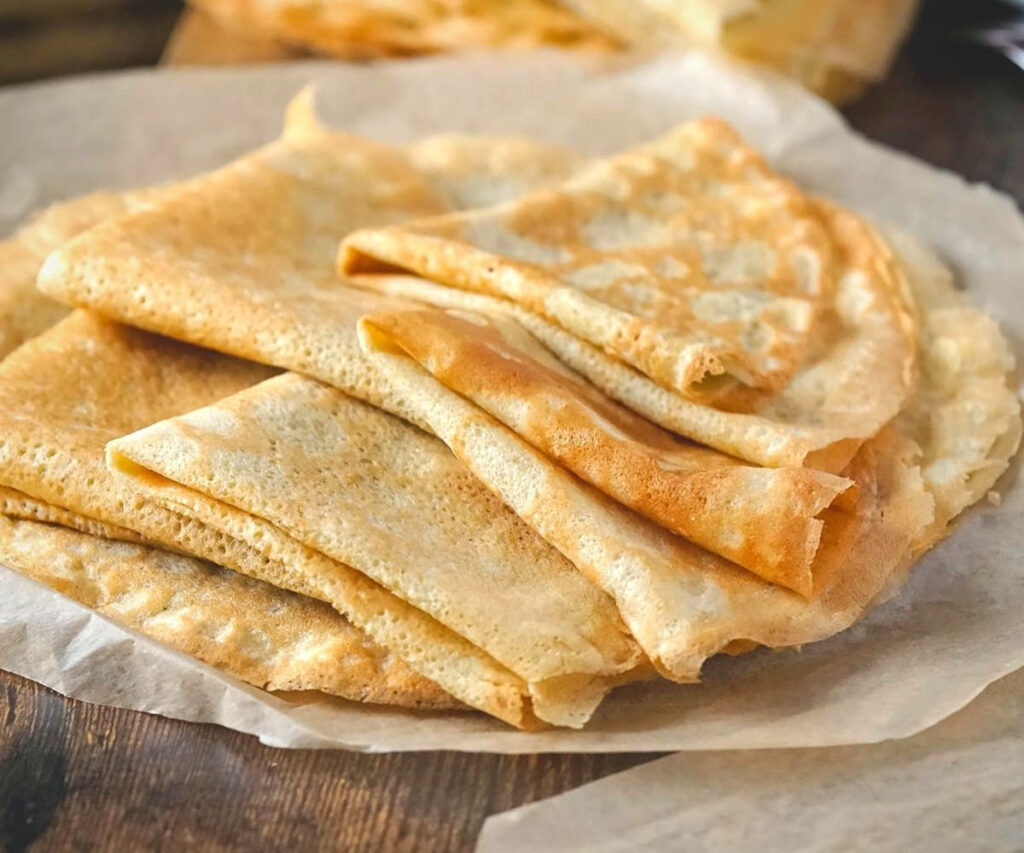
This blend is best for: muffins (like these banana blueberry muffins or strawberry muffins), pancakes (apple pancakes or sweet potato pancakes), waffles, quick breads, sheet cakes like banana cake, coffee cakes, cookies, and as a base for many “everyday” bakes.
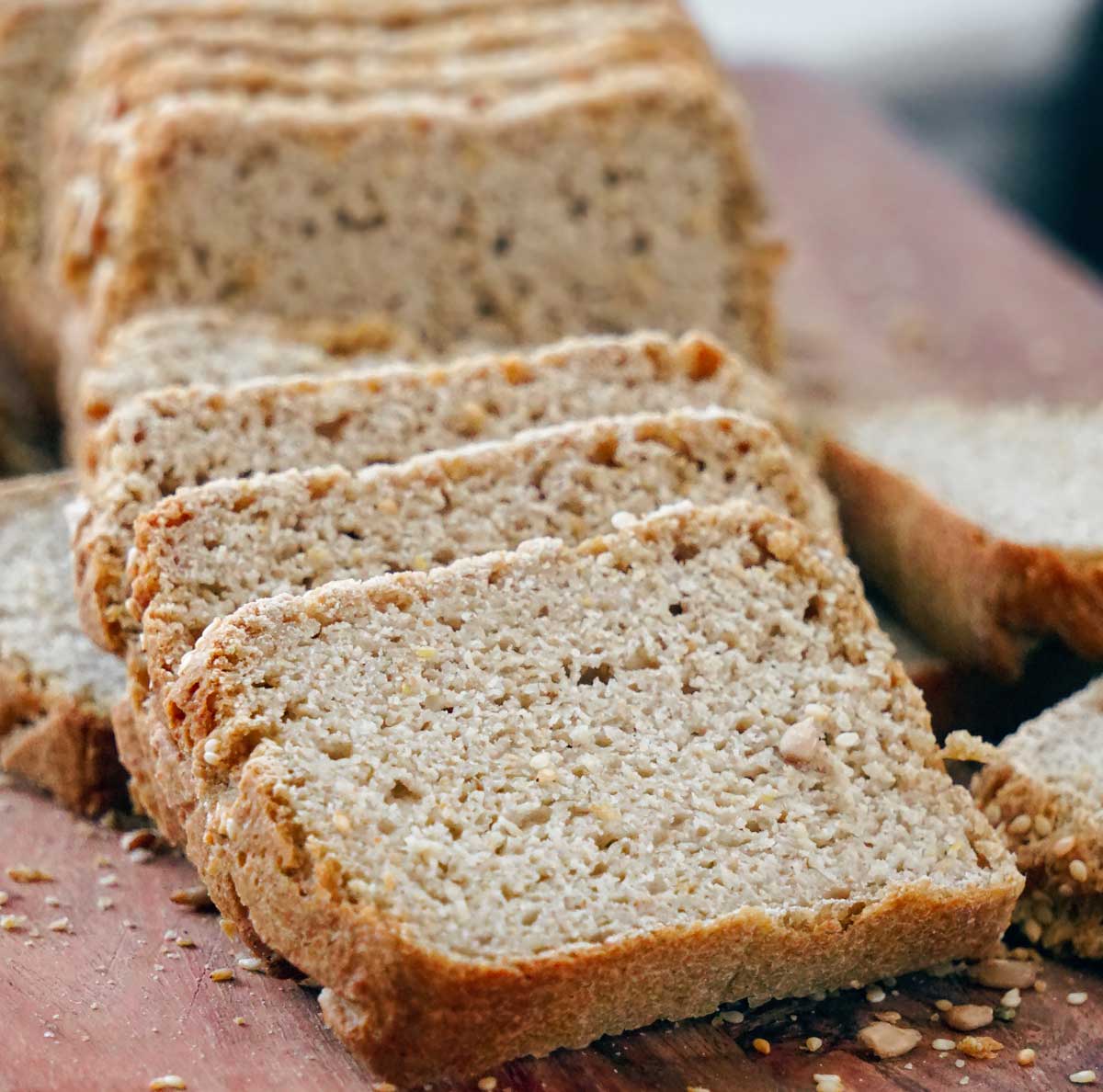
For gluten free sourdough breads, buns and yeast breads, it works great too, but you’ll usually add a bit more binder in the recipe depending on the style of bread (more on that below).
If you want a lighter option for delicate bakes, you can also use my gluten-free pastry flour mix (low-starch) it’s designed for a softer, more tender crumb in things like cakes, and pie crust.

How This Blend Works
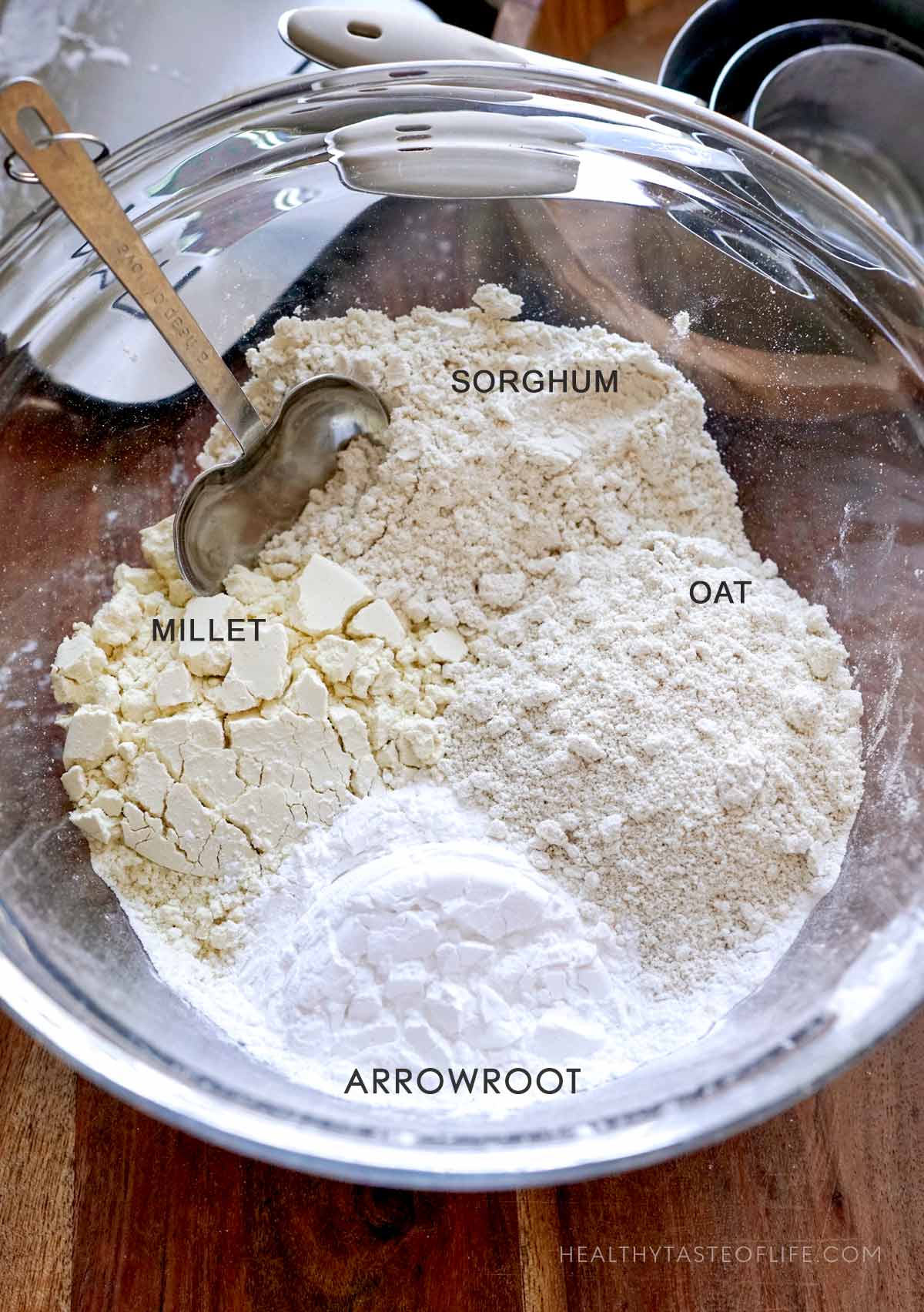
- Whole-grain base for structure: sorghum + millet + oat (or oat-free swap see below);
- Just enough starch for lift: a small amount of arrowroot keeps crumb lighter without turning the blend starchy;
- Nutritionally enhanced: fewer carbs, more protein, significantly more fiber that makes things still taste good.
- Optional binder (no xanthan): a little psyllium helps reduce crumbling and improves sliceability (especially helpful in egg-free bakes);
What Each Flour Does
- Oat flour: provides softness + natural binding; helps baked goods hold together (I use certified gluten-free + organic brand) or you can ground rolled oats.
- Sorghum flour: provides structure and a mild flavor; keeps texture smoother than many GF grains;
- Millet flour: light whole-grain body; can taste slightly “corn-y” if used too heavily, so it’s balanced here;
- Arrowroot: provides lightness and lift; helps avoid dense bakes without relying on potato/tapioca.
How To Use This AP Gluten Free Flor Mix (for baking, cake, cookies, bread)
- For baking (everyday): Use this blend as the flour base in muffins, pancakes, waffles, snack cakes, quick breads, and bars.
- For cake: Works best in oil-based cakes and sheet cakes.
- For cookies: Great for soft/chewy cookies. For crisp cookies, reduce binder or skip it.
- For bread: Works best for quick breads and simple yeast loaves where you’re okay with a slightly more tender crumb. For yeast breads/rolls, you’ll often add a little extra binder (the optional ingredient) in the recipe liquid for better structure.
Oat flour alternative (no oats option)
If you want the same “all-purpose” feeling without oat flour, here are two options that keep the blend low-starch:
Option 1 (closest texture): swap oat for buckwheat
Oat-free blend (2 cups total):
- ⅔ cup buckwheat flour (light buckwheat if you want lighter color)
- ½ cup sorghum flour
- ½ cup millet flour
- ⅓ cup arrowroot
Binder: psyllium powder/husk still optional for sliceable baked goods. Why it works: buckwheat adds body and binds better than millet alone, without needing rice or tapioca.
Also, millet flour and oat flour can turn bitter when they’ve been sitting too long on the shelves, and those are the two I’ve personally run into most often. To avoid that bitter taste, I frequently grind my own millet and certified gluten-free rolled oats into a fine flour (high-speed blender, small batches) and use it fresh when I need it.
Option 2 (mildest flavor): swap oat for more sorghum
Oat-free, mild blend (2 cups total):
- ⅔ cup sorghum flour
- ½ cup millet flour
- ½ cup fine almond flour (if you tolerate nuts; makes crumb tender + less gritty)
- ⅓ cup arrowroot
Binder: 2 tbsp of psyllium husk, per batch (especially important here).
Notes
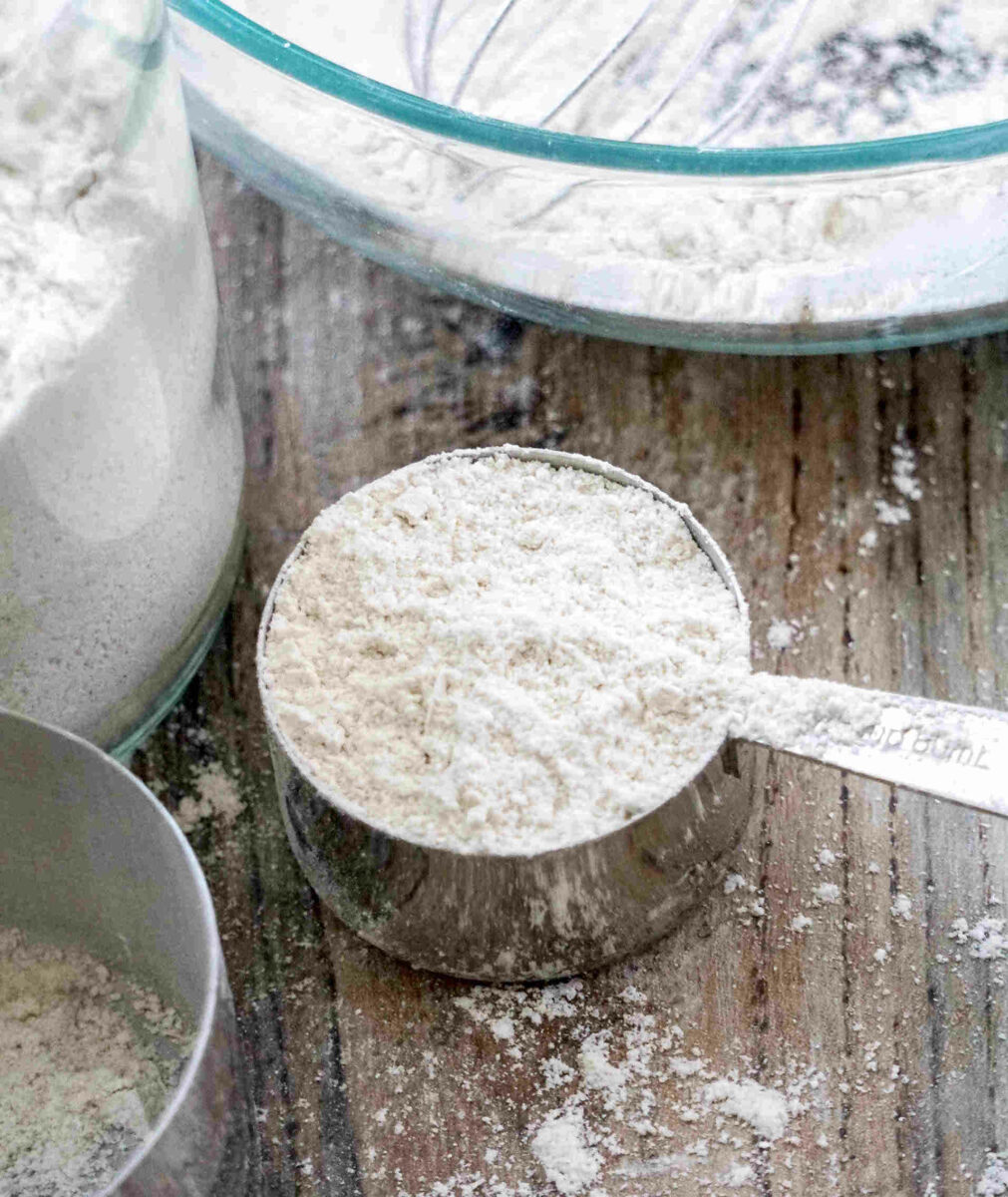
- Weigh vs cup: GF flours pack differently, because some brands are superfine and settle heavier; others are coarse and weigh less. Use grams if possible. If using cups, spoon-and-level; don’t pack.
- Resting batter tip: for pancakes/muffins, let batter rest 5 minutes so flours hydrate (better texture, less grit).
- When to skip binder: I often don’t need psyllium except for sliced breads and buns.
- Substitution limits: this isn’t a perfect 1:1 swap for wheat in every recipe; hydration may need small tweaks. If your batter seems thick, add 1–2 Tbsp liquid at a time until it looks like your usual batter.
- Flour texture matters: Superfine-milled gluten-free flours (lighter in color and texture) usually bake up softer, airier, and less gritty, while more artisanal/stone-ground flours (darker, coarser) behave more like whole-wheat, they absorb more liquid and give a heartier, denser crumb.
Tried This Recipe? I’d love to hear how it turned out! Tap ⭐⭐⭐⭐⭐ to rate it or leave a quick comment below! your feedback helps other readers (and keeps me creating new treats).
Gluten-Free All-Purpose Flour Blend (No Gum, No Rice Flour, No potato starch)
Ingredients
- ⅔ cup oat flour - ~ 60 g
- ½ cup sorghum flour - ~ 60 g (or use superfine, – lighter)
- ½ cup cup millet flour - ~ 60 g
- ⅓ cup arrowroot (starch) flour - ~ 43 g
Optional binder
- 2 Tbsp psyllium husk
Instructions
- Measure all flours and add to a large bowl. Measuring style changes it a lot: scooping and packing vs spoon-and-level can swing 10–25%+Use grams if possible. If using cups, spoon-and-level (a light tap to settle is fine, but don’t compress or pack the flour).If using spyllium (for breads) see notes.
- Whisk very thoroughly for 30–60 seconds.
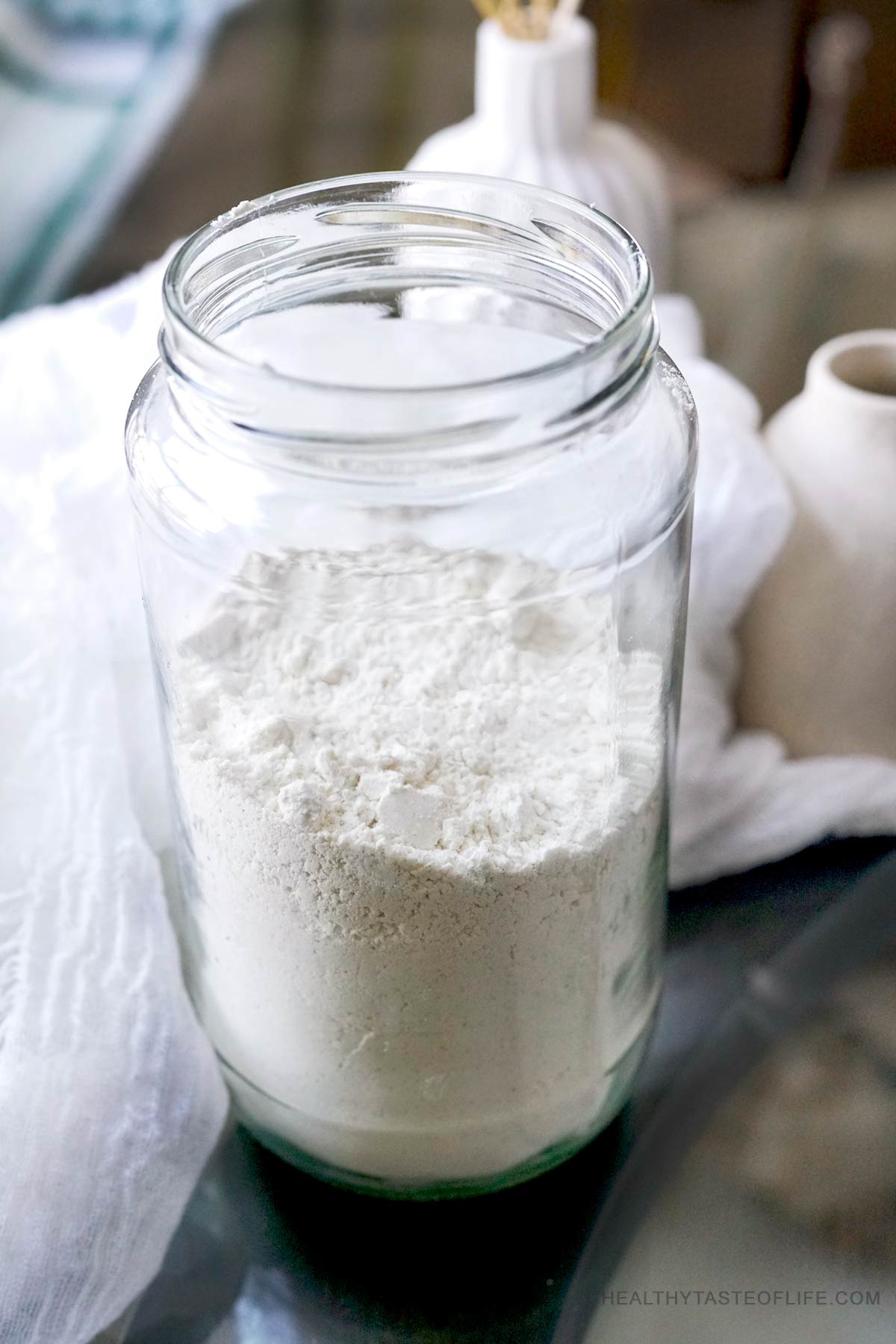
- Transfer to an airtight jar. Use as the flour base in gluten-free baking.
Notes
- Oat flour: Use certified gluten-free oat flour (see post above for more details).
- No gums needed: This blend works well for pancakes, waffles, cookies and muffins as written and shouldn’t be crumbly for most recipes.
- Optional binder for yeast breads/rolls: this blend can work as-is, but, if you want extra structure and sliceability in baked goods – add 2 Tbsp psyllium husk (whole) or ground it before using.
- How to use psyllium: You can whisk it into the dry blend very thoroughly, OR (especially for breads) mix it into the liquid ingredients first and let it gel for 2–5 minutes for more even results.
- Storage: Keep airtight in a cool pantry 1–2 weeks; refrigerate or freeze for longer storage.
- To scale: Multiply all ingredients (including psyllium) to make a larger batch.
Nutrition
The information shown is an estimate provided by an online nutrition calculator.
FAQs
Often yes for muffins, pancakes, cookies, and snack cakes, but GF batters usually need slightly more hydration and resting time than wheat flour.
Yes, psyllium husk powder can replace gums in many recipes when used in small amounts.
Yes, this blend is built specifically without those, using sorghum/millet/oat and a little arrowroot for lift.
If You’re Tired of Conflicting Nutrition And Health Advice + Want a Simpler Approach To Healthy Eating and Living
Join My Newsletter 👇
I share insights on food quality, gut health + whole-food recipes that support long-term health, without strict rules or complicated meal plans. And much more including holistic health coaching tips beyond nutrition!
Plus, you’ll get access to exclusive resources I don’t always share on the website.
©HealthyTasteOfLife. Content and photographs are copyright protected and need prior permission to use. Copying and/or pasting full recipes to other websites and any social media is strictly prohibited. Sharing and using the link of this recipe or article is both encouraged and appreciated!




Would like to try this blend for my gf/df bread but can’t have millet. Any ideas please?
Hi Lesley, swap: ½ cup sorghum instead of ½ cup millet. It will have a mild flavor + reliable structure (a little less “whole-grain” bite) OR Swap: ½ cup light buckwheat flour (best structure, more “wheat-like” – sturdier crumb (great for muffins/quick breads); flavor is more distinct than sorghum.