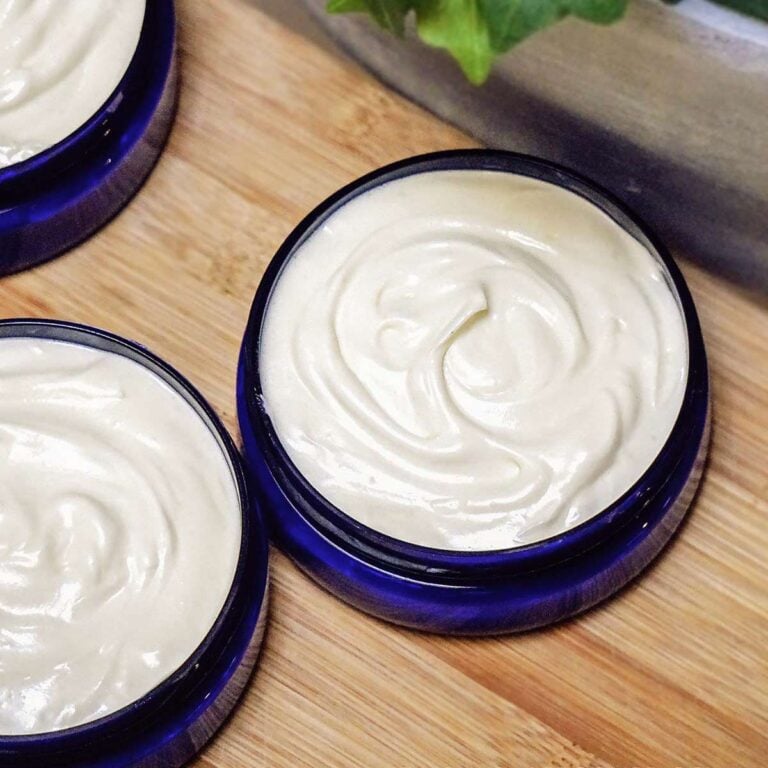

Whipped Tallow Face Cream Recipe With Rosehip Oil
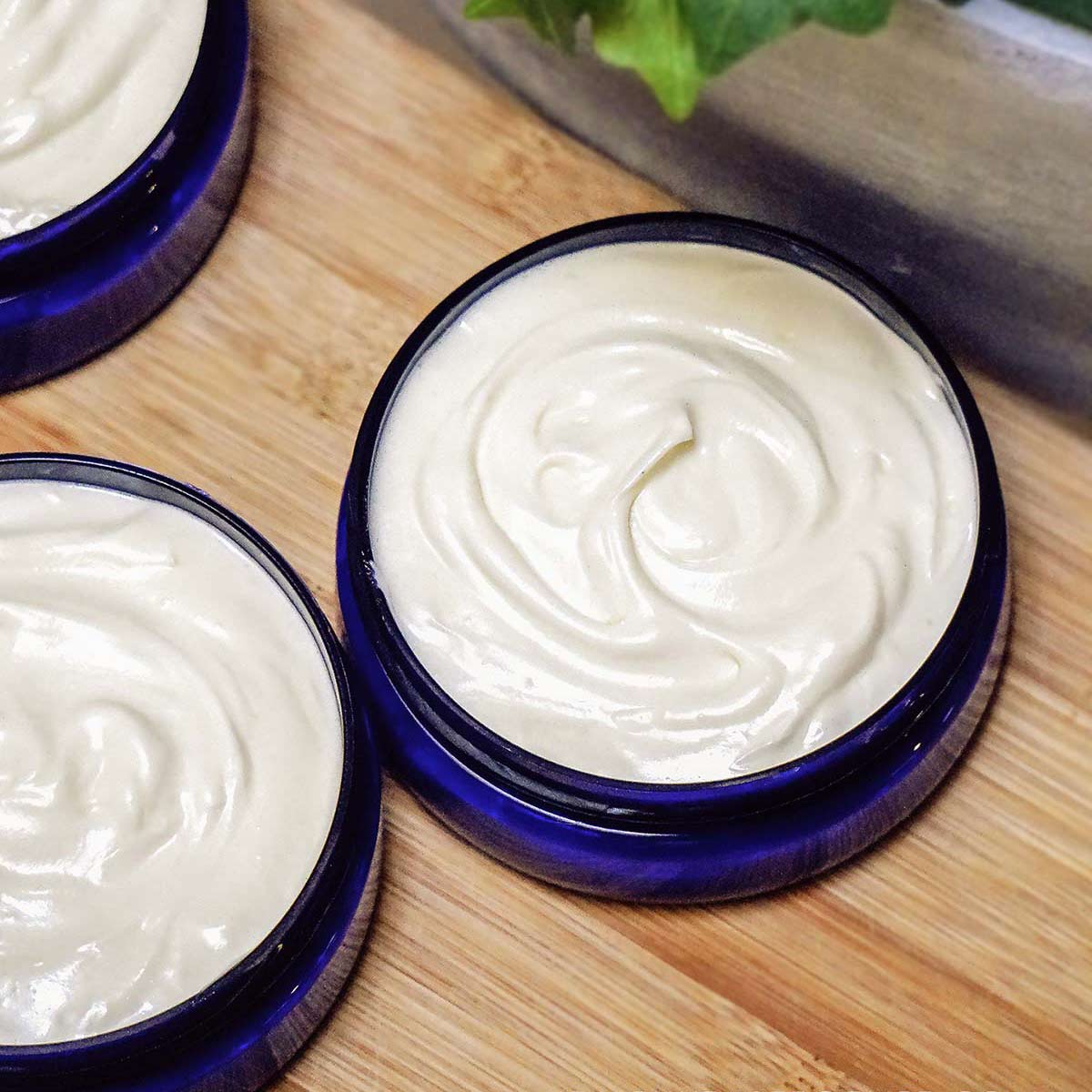
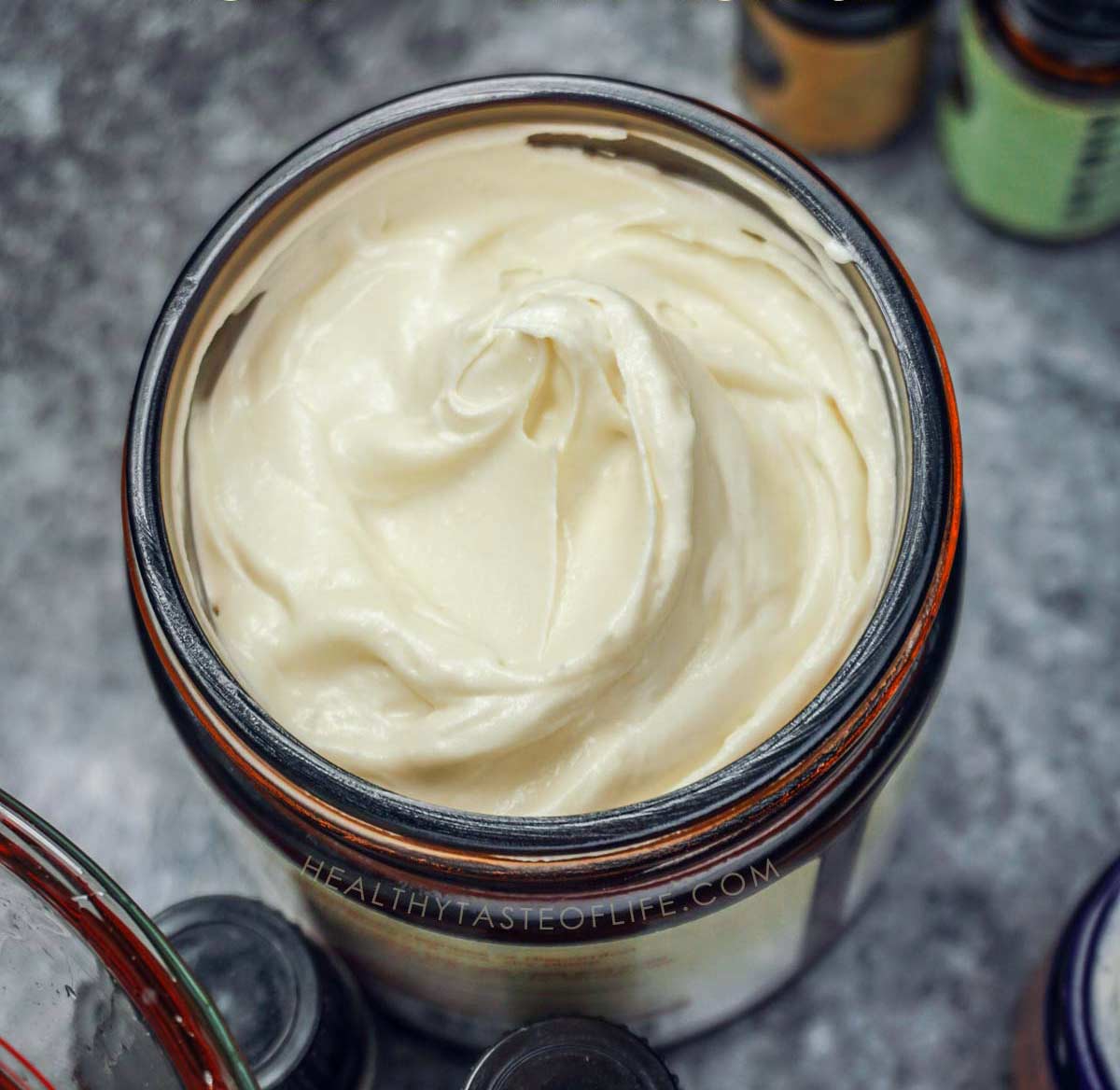
This homemade tallow face cream with rosehip oil has a soft, buttery texture and is made with just a few simple ingredients. Tallow, rosehip oil, beeswax, and optional essential oils to help soften dry or sensitive skin, reduce moisture loss, and support the skin barrier.
I use it when my skin feels dry, irritated, or needs extra moisture during colder months. A small amount goes a long way, and you can adjust the beeswax for a softer whipped tallow cream or a firmer tallow balm.
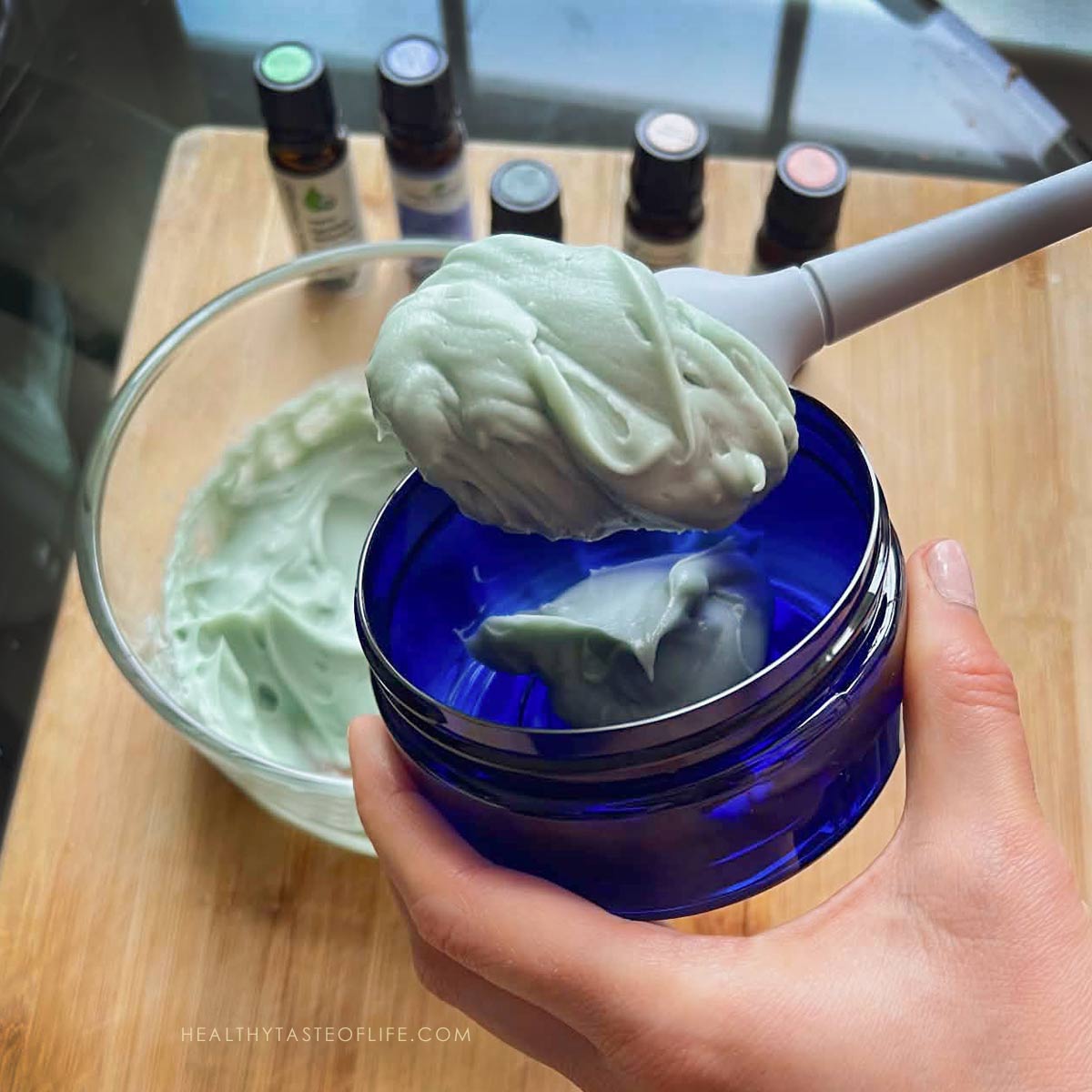
Although tallow face cream is the common name, this recipe is multipurpose. I also use it on the neck, hands, cuticles, elbows, knees, and other dry areas of the body. Technically, it is a water-free whipped tallow balm rather than a traditional cream because it contains no water or emulsifier.
Why I Make This Whipped Tallow Cream
I wanted something natural, thick, and deeply emollient that could protect very dry or irritated skin and help soften rough, red patches. I also wanted to try something different from the plant-based butters, like mango butter, that I use in my other homemade skincare recipes.
Tallow appealed to me because it creates a rich, protective balm and contains fatty acids similar to some of those naturally found in our skin. Combined with rosehip oil, it feels nourishing without needing a long list of ingredients.
The need for this cream became especially obvious during periods of chronic sinus congestion. Constantly blowing my nose would leave the skin underneath and around my nose red, dry, and irritated. A small amount of this tallow balm helped soothe and protect that area and quickly became something I reached for regularly.
Since then, I’ve found it useful for much more than my face, from dry hands and cuticles to elbows, heels and other rough patches, so it has become one of my most versatile homemade skincare products.
Why These Ingredients Work Well Together
Beef Tallow
- Tallow is a solid animal fat made primarily from triglycerides and fatty acids. It carries trace amounts of fat-soluble vitamins like Vitamin A, D, E, and K, which help nourish the outer layer of the skin.
- When used in a water-free balm, it works mainly as an emollient and it forms a protective seal over the skin to stop water from evaporating – which is perfect for smoothing rough or flaky patches.
- For skincare, use clean, well-rendered tallow with a mild scent.
Rosehip Oil
- Rosehip oil makes the heavier tallow base softer and easier to spread.
- It contains unsaturated fatty acids and naturally occurring antioxidant compounds and has been studied for potential roles in skin-barrier support, skin aging, and repair.
- It also gives this tallow cream a lighter skin feel compared with using tallow alone.
- Because rosehip oil is more prone to oxidation, keep the finished cream away from heat and direct sunlight.
Beeswax
- Beeswax gives the cream structure and helps create a smooth balm-like finish.
- It also forms a light protective layer over the skin, which helps reduce moisture loss.
- You only need a small amount here. Too much will turn the recipe into a firm salve rather than a soft tallow face cream.
Pure Essential Oils
I use a small blend of: blue tansy, frankincense, geranium, juniper berry and chamomile.
- They add a light herbal scent and are traditionally used in skincare formulations for dry, mature, or irritated-looking skin. Essential oils are completely optional or you can use some and in smaller dosage.
- For very sensitive skin, eczema-prone skin, fragrance allergies, or a damaged skin barrier, I recommend making the cream without essential oils first.
If you use essential oils regularly in homemade skincare, see my guide to choosing high-quality essential oils.
How to Make Whipped Tallow Face Cream
1. Melt the tallow and beeswax
Place the tallow and beeswax in a double boiler and melt gently over low heat.
Once completely melted, remove from the heat and let the mixture cool for about 5 minutes.
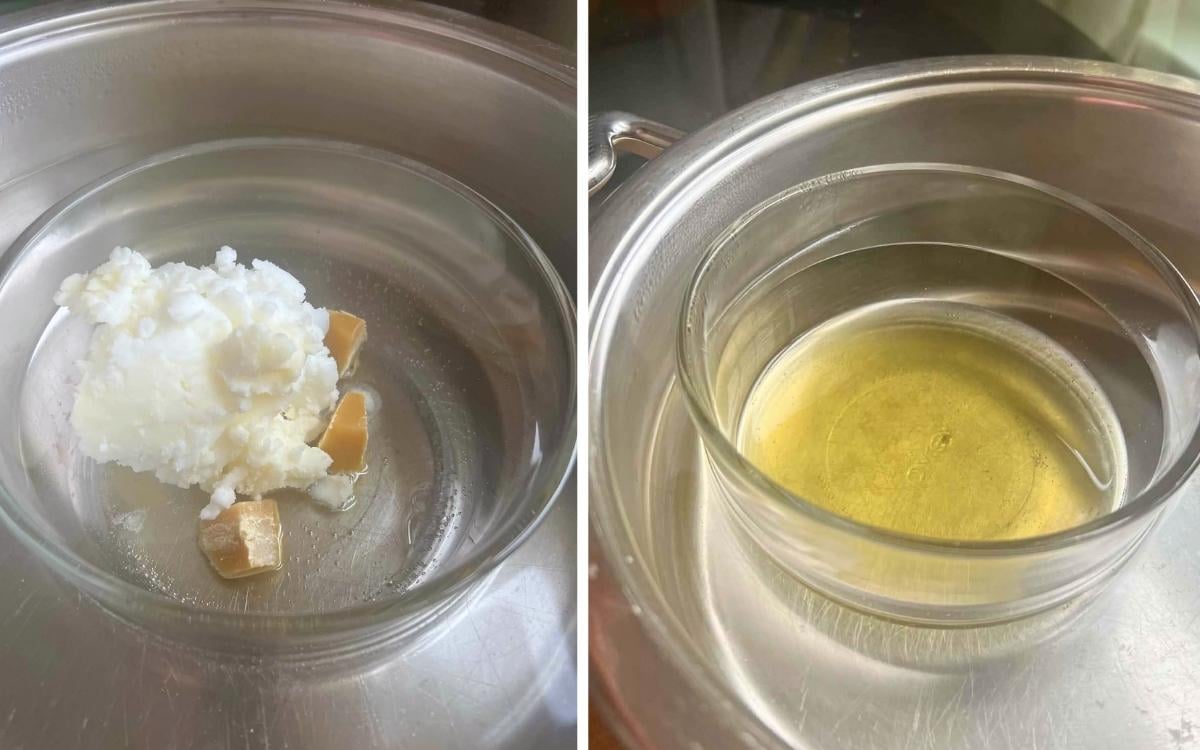
2. Add the rosehip oil and essential oils
- Stir in the rosehip oil while the mixture is still warm and liquid.
- Allow it to cool for another 5–10 minutes, or until it starts becoming slightly cloudy around the edges.
- You want it cool enough to whip but not completely solid.
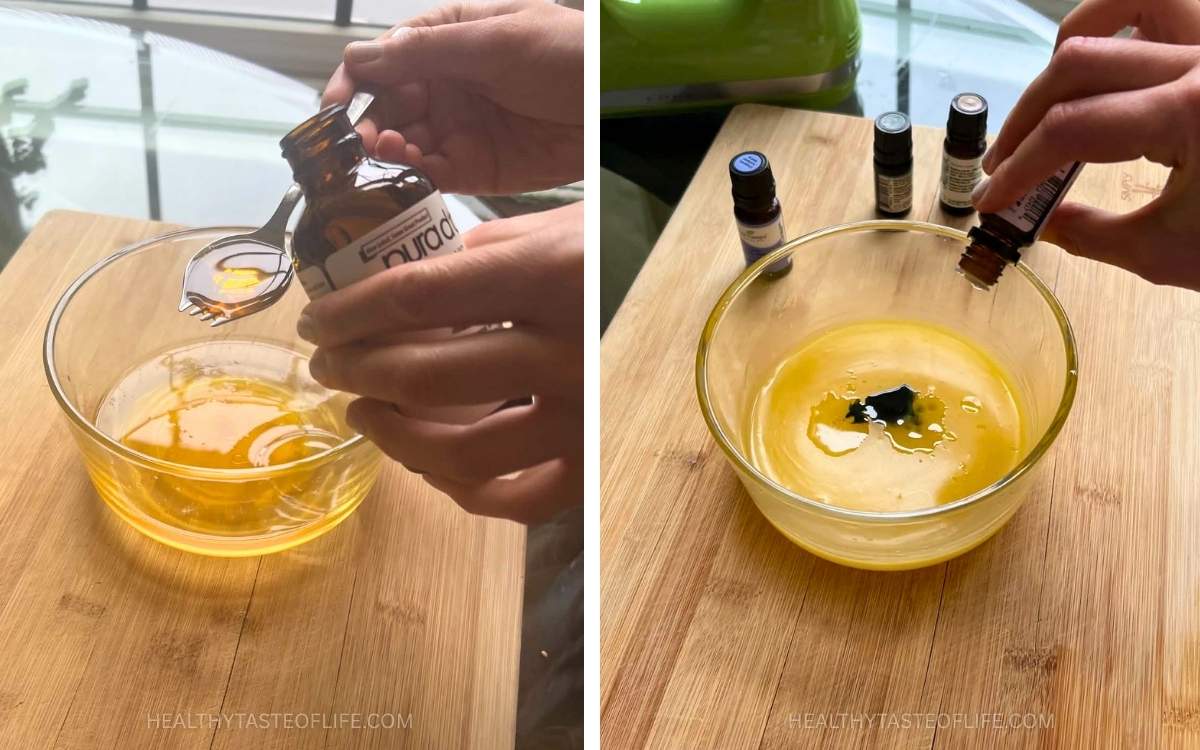
- Add the essential oils while whipping and continue mixing until evenly incorporated.
3. Whip
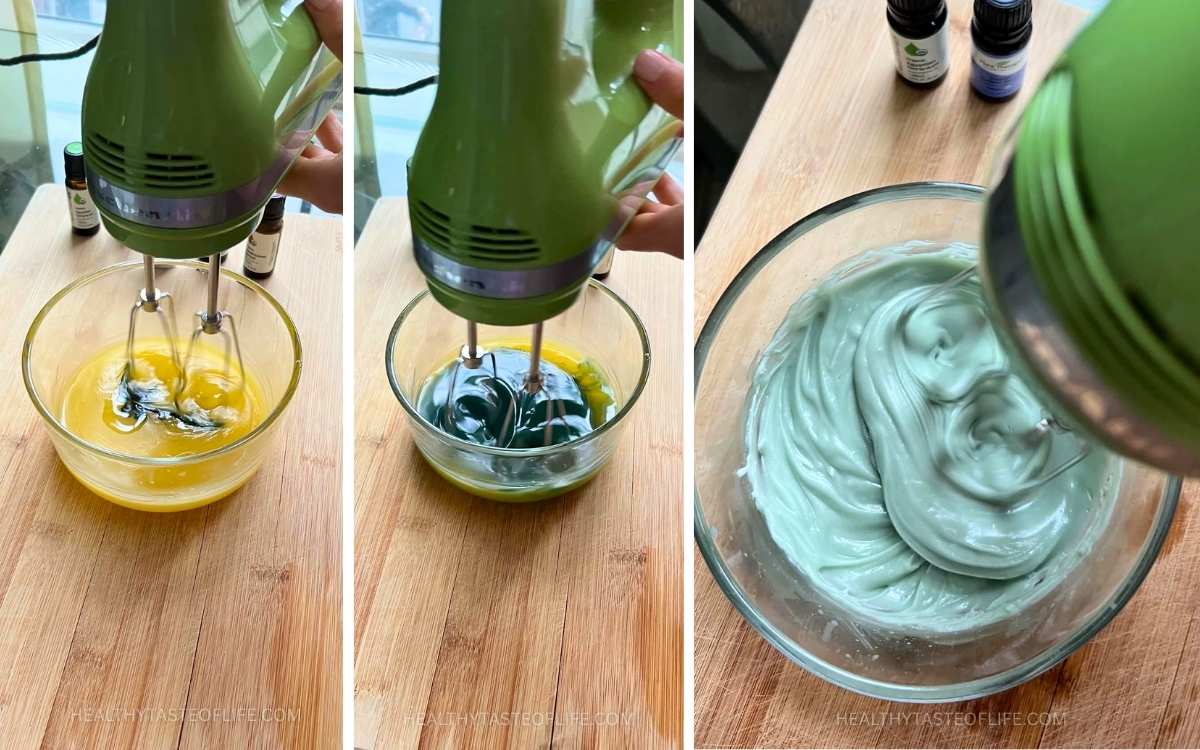
Use a hand mixer to whip the mixture until it becomes lighter and fluffy, similar to whipped butter.
You can also start whipping while the mixture is still mostly liquid. It will simply take longer as the mixture cools and thickens.
4. Store
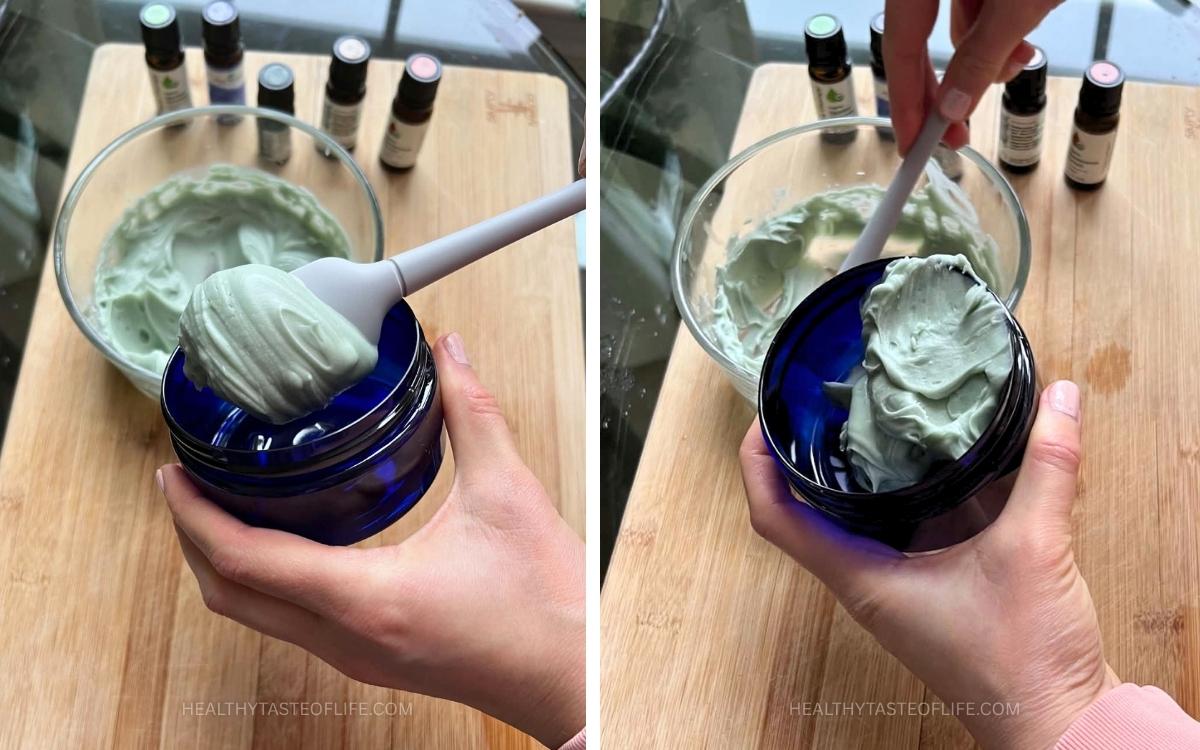
Transfer the whipped tallow face cream to a clean, dry glass jar and close tightly.
Storage Tips
Keep the tallow cream in a clean, dry, tightly closed container away from heat and direct sunlight. Because the recipe contains no water, it does not require preservatives as a water-based lotion or cream.
However, the fats and oils can still oxidize. So for best freshness:
- keep water out of the jar
- use clean, dry fingers or a small cosmetic spatula
- store away from direct sunlight
- refrigerate if your home is particularly warm
- make smaller batches if you don’t use it frequently
Discard the cream if you notice a significant change in smell, color, or texture.
How to Prevent Grainy Tallow Cream
Tallow can sometimes develop a grainy texture when different fats cool at different rates.
To help keep the texture smooth, stir the mixture every couple of minutes while it cools instead of leaving it untouched. Once it begins to look cloudy and slightly thickened, start whipping.
You can also start whipping while it is still fairly liquid. It will take longer, but the constant movement helps it cool more evenly.
Already grainy? Gently remelt the cream, cool it again while stirring frequently, and re-whip.
Adjusting the Texture
The amount of beeswax determines how firm the finished cream will be.
- For a softer whipped cream: use less beeswax.
- For a firmer tallow balm or salve: add slightly more beeswax.
- For very soft whipped tallow: you can leave the beeswax out completely. Keep in mind that the texture will be more affected by room temperature without it.
More Than a Face Cream: How I Use It
Despite the name, this isn’t only a facial moisturizer. Because it is essentially a concentrated tallow skin balm, you can use a small amount anywhere the skin feels dry or needs more protection.
I use it for:
- face and neck
- hands
- cuticles
- elbows
- knees
- heels
- dry patches
- areas exposed to cold or dry weather
It can also work well as an overnight hand or foot balm.
For the face, start with a small amount (about a rice-grain to pea-sized amount) for the entire face.
Warm it between your fingertips and press it into slightly damp skin.
For larger areas of the body, my whipped body butter for dry, eczema-prone skin is a lighter plant-based alternative made with mango butter, oat kernel oil, and hemp-based CBD oil.
Using Tallow Cream on Dry or Sensitive Skin
Because this recipe is rich and water-free, it works best as the final moisturizing step.
Apply it over slightly damp skin rather than completely dry skin. The oils and fats don’t add water themselves -they help soften the skin and slow moisture loss.
If your skin is super sensitive to essential oils, start with the simplest version: tallow + rosehip oil + beeswax, and leave out the essential oils.
Patch test first before applying it over a larger area.
If you’d rather use a completely plant-based facial formula, try my DIY natural face moisturizer for dry, sensitive skin, made with mango butter and herb-infused oil.
Can You Use Tallow Cream on Oily or Acne-Prone Skin?
Yes, but rich balms aren’t right for everyone. Skin that is oily can still be dehydrated, so a small amount of an oil-based moisturizer may feel comfortable for some people. Others may find tallow too rich, particularly if they are prone to clogged pores.
If you’re acne-prone, start with a very small amount on one area and see how your skin responds before using it over your entire face.
If you prefer lighter facial oils, my natural oil makeup remover guide also compares several carrier oils commonly used on different skin types.
Tallow Cream for Mature-Looking Skin
Tallow and rosehip oil create a rich combination that works especially well when skin becomes drier with age.
The cream helps soften the surface of the skin and reduce moisture loss, which can make dry fine lines appear less noticeable.
Rosehip oil is also commonly used in mature-skin formulations because of its fatty-acid and antioxidant composition.
I would call this a supportive care for dry or mature-looking skin, rather than an anti-aging treatment.
Whipped Tallow Face Cream Recipe With Rosehip Oil
Ingredients
The face cream base
- 1 cup tallow - 8 oz
- 1.5 tbsp beeswax - ~ 0.8 oz
- ¼ cup rose-hip oil
Optional Anti-inflammatory Essentail Oils
- 10 drops blue tansy
- 10 drops frankincense
- 10 drops geranium
- 10 drops juniper berry
- 10 drops chamomile
Instructions
Melt
- Using a double boiler, gently melt the tallow and beeswax together over low heat.
Combine and cool
- Once fully melted and liquid, remove from heat.
- Allow the mixture to cool until it starts to look a bit cloudy at the edges. Probably 5-10 minutes, depending on your room temperature. Stir every couple of minutes to encourage even cooling.
Add the oils
- Stir in the rose hip oil and the essential oils.
Whip
- Whip with a hand mixer until light and fluffy and evenly incorporated.
Store
- Transfer to a clean, dry jar and seal tightly.
Notes
The information shown is an estimate provided by an online nutrition calculator.
Frequently Asked Questions
Essentially, yes. Technically, this recipe is a tallow balm because it contains no water. “Tallow face cream” describes the soft, whipped consistency and how it is commonly used.
Yes. The beeswax mainly controls texture. Without it, the cream will be softer and more sensitive to changes in room temperature.
Absolutely. Tallow, rosehip oil, and beeswax are enough to make the cream. An unscented version may actually be preferable for an extra sensitive or reactive skin.
This usually happens when the fats cool and crystallize at different rates. Stirring frequently as the mixture cools and whipping before it completely solidifies helps create a smoother texture. Or remelt the mixture gently, stir frequently while it cools, and begin whipping once it becomes cloudy and slightly thickened.
Yes. Although this recipe is optimized around tallow face cream, there is nothing that limits it to facial skin. It can also be used on hands, elbows, knees, cuticles, heels, and other dry areas.
There isn’t enough human research to say that tallow is universally comedogenic or non-comedogenic. Skin response varies considerably, so if you’re prone to clogged pores or acne, patch test and start with a very small amount.
This tallow cream uses animal fat, rosehip oil, and beeswax and has a richer, more balm-like finish.
My whipped mango body butter is plant-based and uses mango butter, oat kernel oil, and hemp-based CBD oil. I primarily use that formula over larger areas of the body.
My DIY natural face moisturizer is also plant-based and uses mango butter plus an herb-infused carrier oil. This recipe has a very different base: tallow + rosehip oil + beeswax.
If You’re Tired of Conflicting Nutrition And Health Advice + Want a Simpler Approach To Healthy Eating
Join My Newsletter 👇
I share insights on food quality, gut health, health coaching tips beyond nutrition, and whole-food recipes that support long-term health, without strict rules or complicated meal plans.
Plus, you’ll get access to exclusive resources I don’t always share on the website.
©HealthyTasteOfLife. Content and photographs are copyright protected and need prior permission to use. Copying and/or pasting full recipes to other websites and any social media is strictly prohibited. Sharing and using the link of this recipe or article is both encouraged and appreciated!