
How To Make Your Home Smell Good
Learn how to make your home smell good naturally by removing odors at the source, cleaning odor-trapping surfaces, improving airflow, and using safer scent options.
Every home has a smell. If your house feels stale, heavy, or musty when you walk in, the goal is not to cover it up with stronger fragrance. The real fix is to remove the source first.
That matters even more if the smell is musty. A persistent musty odor can be a sign of excess moisture or mold, and if you see or smell mold, it should be cleaned up and the moisture problem should be fixed. There are three basics for better indoor air: source control, ventilation, and filtration.
Many conventional air fresheners rely on fragrance chemicals rather than solving the actual cause of the odor, and some fragranced products may contain chemicals of concern such as phthalates. If you want your home to smell fresh in a gentler way, start with cleaning and airflow first, then add a light natural scent if you want one.
1. Remove the source of the smell first
Before adding candles, diffusers, or sprays, check the places that quietly hold odor:
- old food in the pantry, fridge, or cabinets
- trash cans and diaper pails
- pet beds, litter areas, and upholstered furniture
- damp towels, laundry, and bath mats
- sink drains and garbage disposals
- rugs, pillows, mattresses, and curtains
- dusty corners, vents, and under furniture
- bathroom corners, window sills, or other damp spots
If your home smells old, sour, or damp, don’t ignore it. Musty smells often point to trapped moisture, and moisture problems need to be fixed at the source instead of being masked.
2. Declutter before you deep clean
A crowded shelf, overfilled closet, or messy entryway can trap dust and stale air. Decluttering makes it easier to clean properly and helps air move more freely through the room.
You do not need to empty your entire house in one day. Start with the areas that affect smell the most: the kitchen, bathroom, laundry area, entryway, and bedroom textiles.
3. Clean the places that trap odors
A fresh-smelling home usually comes from clean surfaces and fabrics, not added perfume.
Kitchen
Wash the sink, wipe counters, clean the fridge, and empty the trash often. If the drain smells, scrub what you can reach, flush with hot water, and clean the disposal if you have one. Leftover grease, food splatter, and old crumbs are some of the biggest causes of kitchen odor.
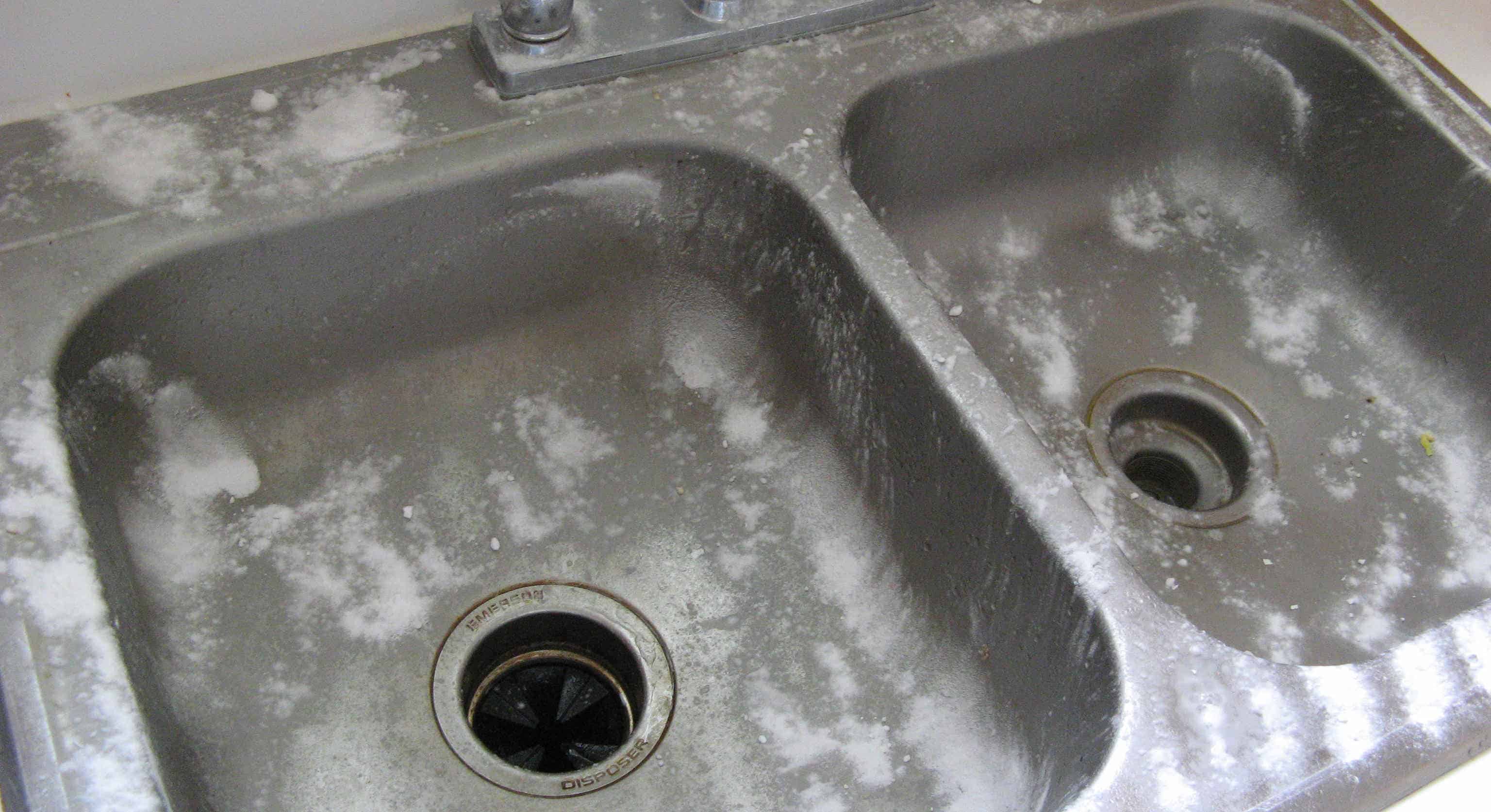
If the sink has an odor, pour some apple cider vinegar down the drain, followed by half a cup of baking soda, to help neutralize smells. If you have a garbage disposal, chopping up a lemon and running it through can help freshen it. Finish by rinsing with hot water.
You can use the same vinegar and baking soda mixture to clean countertops and other hard surfaces. It helps loosen grime, grease, and buildup on counters, the stove, and around the sink. Wipe clean with a damp cloth.
Soft surfaces
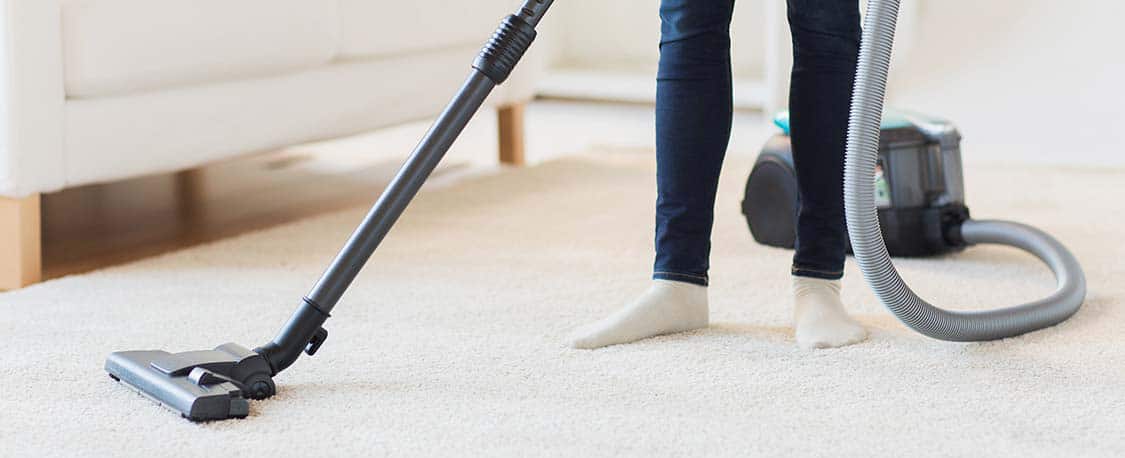
Rugs, upholstery, curtains, mattresses, and pillows hold onto smells. Vacuum regularly, wash removable covers, and launder curtains or steam-clean them when needed.
Carpets hold onto dust and odor easily. To freshen them, combine equal parts baking soda and borax, then add a few drops of essential oil such as lemon, lemongrass, or bergamot. Stir with a fork to distribute the oils evenly.
Sprinkle the mixture over the carpet and let it sit for several hours, or overnight if possible, then vacuum thoroughly. This can help absorb odors and leave the room smelling much fresher.
Bathroom
Clean corners, grout lines, bath mats, shower curtains, and sink drains. If you see visible mold, clean it and fix the moisture source. For hard surfaces, mold can be cleaned with household products, soap + water and then spray the area with a natural disinfectant spray (hospital-grade and eco-friendly).
Bedroom
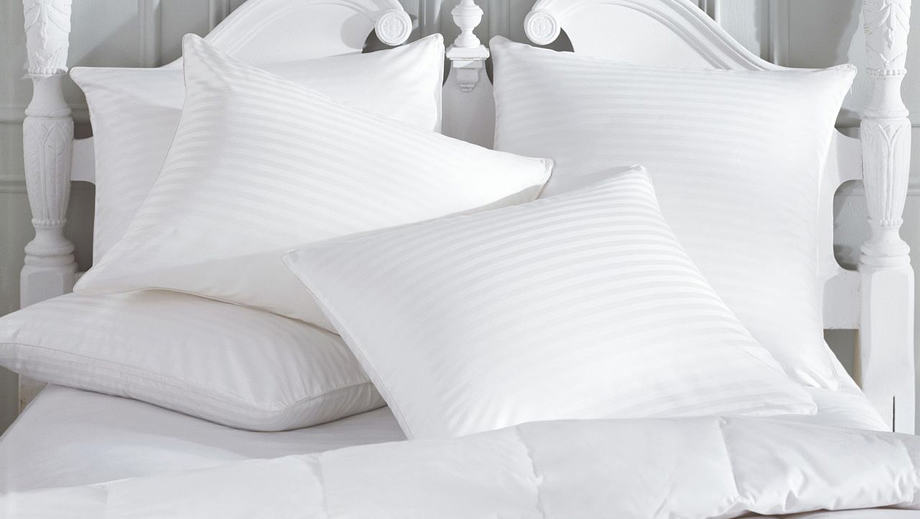
Wash bedding, air out blankets, and don’t let damp laundry sit in a basket. Pillows and comforters can hold onto sweat and stale smells longer than people realize.
Sprinkle baking soda evenly over the bare mattress and let it sit for several hours to help absorb odors, then vacuum it thoroughly. If needed, repeat the process. If the smell still lingers, move the mattress outside on a dry sunny day and let it air out for a few hours.
Wash pillows according to their care label using a small amount of detergent. You can add a little vinegar to the wash to help freshen them. If you like, add a few drops of essential oil to wool dryer balls instead of putting oil directly into the rinse cycle.
Curtains and drapes collect dust and odors over time. Start by vacuuming them well. Then either:
- use a handheld steam cleaner or rent one
- machine wash them on a delicate cycle, if the fabric allows
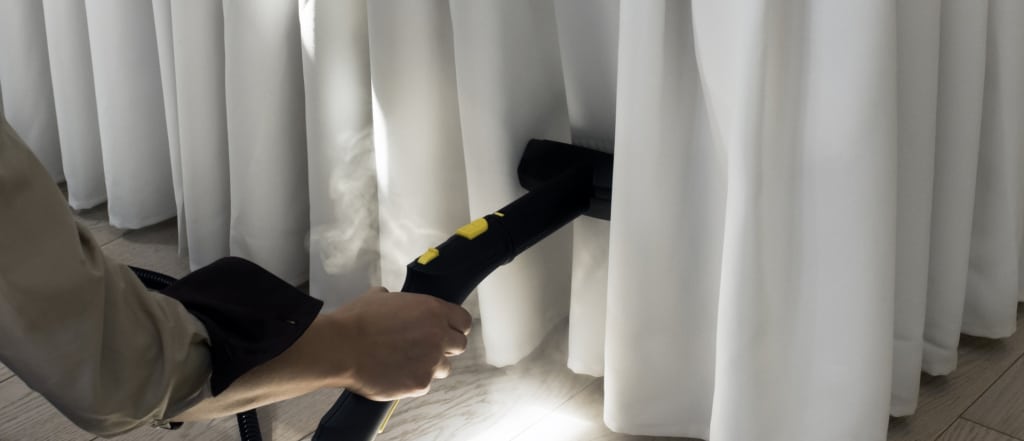
Fresh clean drapes can make a surprising difference in how a room smells.
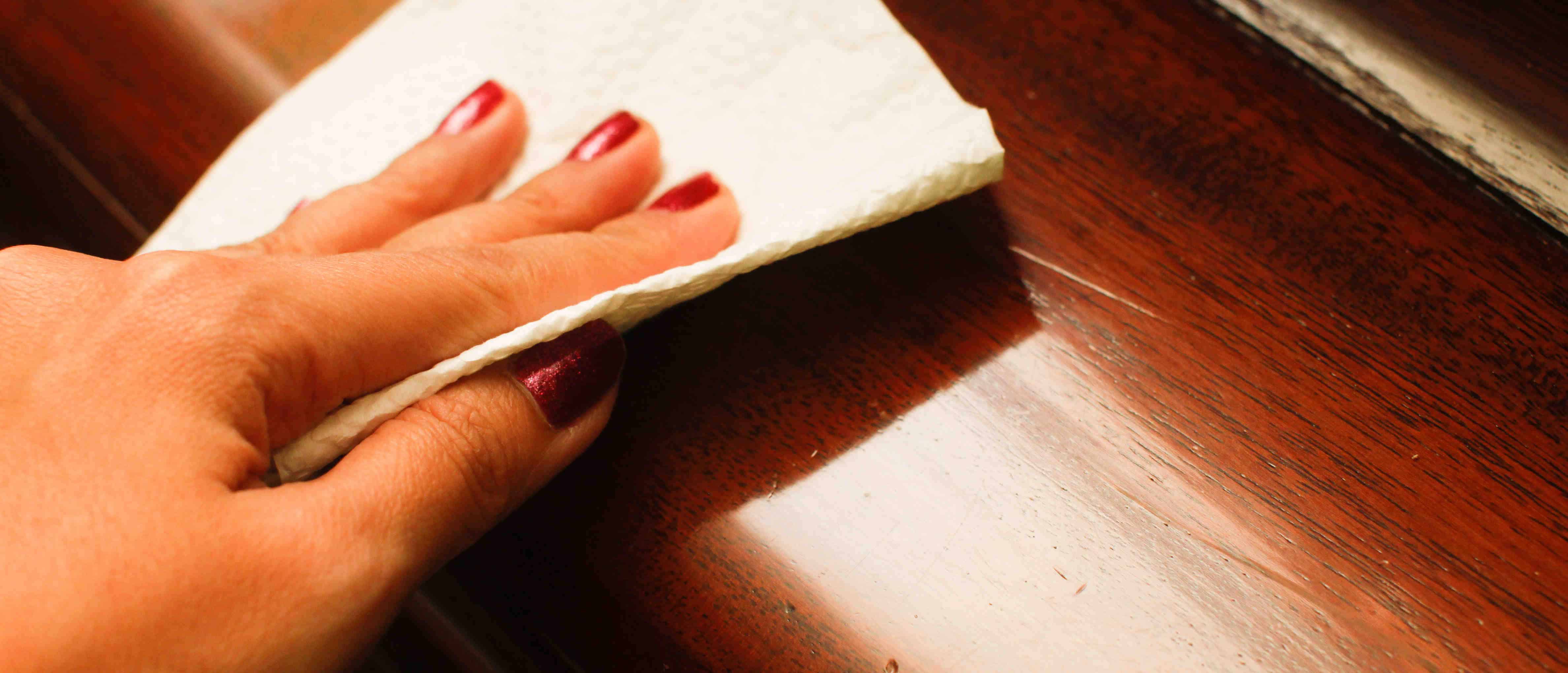
Wood furniture can also hold onto dust, fingerprints, and stale smells. To clean and polish it, mix a little carrier oil, such as olive oil, with a small splash of vinegar and a drop or two of essential oil. Use only a small amount on a soft cloth to dust and polish wooden surfaces. It helps cut through grime, adds shine, and leaves behind a subtle natural scent.
Walls can trap odors more than people realize, especially in kitchens, bathrooms, and bedrooms. Vinegar can help neutralize smells and freshen painted surfaces. Mix 1/4 cup vinegar with 2 quarts of water. If you want, add a few drops of essential oil for a softer scent. Dip a sponge or washcloth into the mixture and gently wipe down the walls. The vinegar smell fades as it dries.
4. Control moisture
If your home smells damp, moisture is usually part of the problem. Dry wet materials quickly, run bathroom fans, use kitchen exhaust when cooking, and don’t leave wet towels or rugs sitting for too long. NIOSH guidance says wetted materials should be dried within 48 hours or removed, because moisture can lead to mold growth.
A dehumidifier can also help in spaces that tend to feel humid, especially basements, bathrooms, and laundry areas.
5. Let fresh air move through the house
One of the simplest ways to make a home smell better naturally is to bring in outside air when conditions allow. Open windows for a short time, run exhaust fans, and let stale indoor air move out.
Improved ventilation as one of the three main ways to improve indoor air quality, along with source control and filtration.
6. Use an air purifier the smart way
If you want extra help beyond cleaning, skip the trendy tricks and choose a purifier that matches the problem.
HEPA filters are designed to remove fine airborne particles such as dust, pollen, mold, and other particles, while activated carbon can help with some gases and odors. A purifier with both can be more useful than one that only filters particles.
What an air purifier cannot do is replace cleaning. Air cleaners help, but they do not remove all pollutants and should be used as part of a bigger strategy.
7. Add natural scent only after the room is clean
Once the odor source is gone, then it makes sense to add a light scent if you enjoy it.
Good low-effort options:
- a stovetop simmer pot with citrus peels, herbs, or spices
- naturally scented soy or beeswax candles
- fresh eucalyptus in the bathroom
- a bowl of dried lavender or rose petals
- cedar sachets in closets and drawers
These work best as a finishing touch, not as a substitute for cleaning.
8. Be careful with essential oil diffusers
Essential oil diffusers can make a room smell pleasant, but they are not always the right choice for every household. If you have pets, especially birds or pets with breathing issues, extra caution is smart. ASPCA guidance notes that diffuser use may be a problem for pets with respiratory issues, birds should not be exposed, and pets should always be able to leave the area.

If you use a diffuser, keep it light, use it in a well-ventilated space, and do not rely on it to “clean” the air.
That being said, an essential oil diffuser is still a better way to make your home smell pleasant than using synthetic sprays. Just add a few drops of essential oil to water and let the diffuser disperse the aroma through the room.
You can use a single oil or blend several together to create your own scent. Fresh scents like grapefruit, lemongrass, ylang-ylang, or citrus blends work especially well in living areas and kitchens.
Also if you have small children, a diffuser may feel like a safer alternative to candles or incense, since there is no open flame or melted wax to worry about.
Related: How To Choose The Best High Quality Essential Oils
9. Keep houseplants
Adding plants to your home can make a room feel fresher, calmer, and more alive. Research suggests indoor plants may help improve indoor environments in a few ways: some studies show they can reduce certain airborne pollutants such as VOCs under the right conditions, and they may also increase humidity, which can make dry indoor air feel more comfortable.

That said, the effect depends on the number of plants, the species, the room conditions, and whether the system is a simple potted plant or a more advanced green-wall setup. In everyday homes, plants are best used as a supportive way to freshen a space naturally, alongside regular cleaning, airflow, and moisture control.
10. Ozone / ionic purifiers for special situations
Some people use ozone generators for special odor-removal situations, such as smoke-damaged or severely contaminated spaces. Because ozone is a strong oxidant, it may help break down some odor-causing compounds.
However, it should not be used as an everyday way to freshen indoor air. Ozone can irritate the lungs if the person stays in the same room. If used at all, it should be treated as a temporary, last-resort remediation step for an empty area, followed by full airing out and only after the source of the odor has been cleaned or removed.
What pattern in this home is creating the smell?
If your home keeps developing odors, don’t just mask them. Treat smell as feedback. Your space is telling you something: there may be too much moisture, too much clutter, not enough airflow, or too many soft surfaces holding onto odor.
A fresher-smelling home usually comes from a few steady habits practiced consistently:
- open windows regularly when possible, let air move
- don’t let damp laundry or towels sit, keep fabrics fresh
- clean odor-prone zones before they get bad
- keep fabrics, rugs, and bedding on a wash schedule
- reduce clutter so dust and stale air have fewer places to collect
- address musty smells early instead of covering them up
The goal is not to create a house that smells strongly of fragrance. The goal is to create a home that smells clean, dry, light, and lived-in in a healthy way. Once the home is actually clean, organized and aired even a subtle natural scent will feel enough.